


Centre Warns Supreme Court Against Narrow Definitions of Hinduism in Sabarimala Case
Sabarimala review: A strict definition of ‘denomination’, ‘essential religious practices’ will compress plural and diverse Hinduism, Centre tells SC
 The Hindu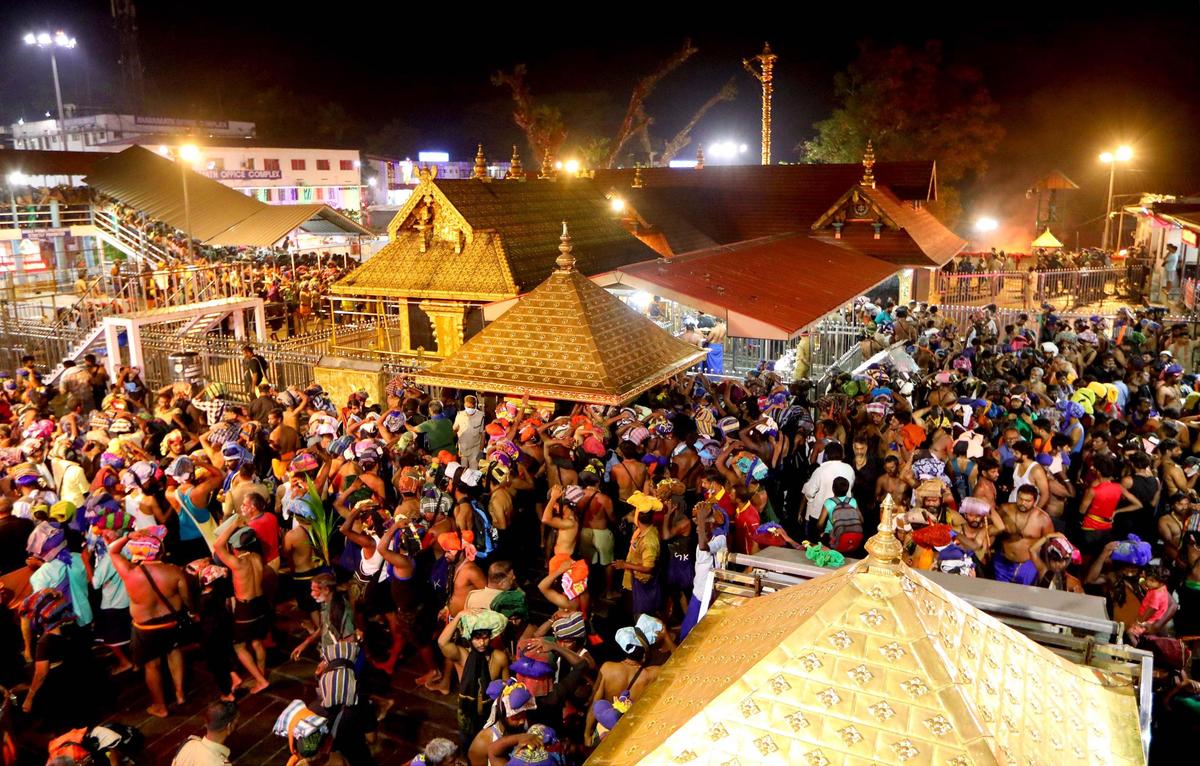
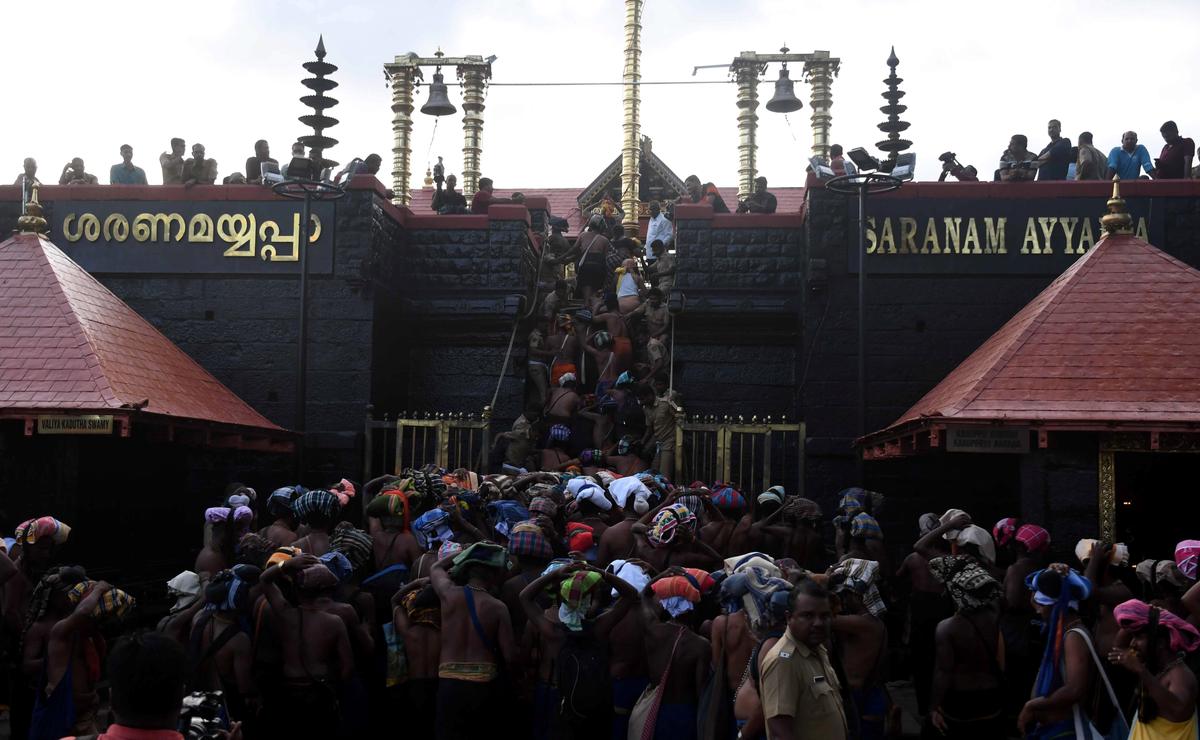
Image: The Hindu
The Union government has urged the Supreme Court of India to avoid rigid definitions of 'religious denomination' and 'essential religious practices' in the Sabarimala temple case, arguing that such constraints could undermine the diverse and pluralistic nature of Hinduism. The case will be heard by a nine-judge Bench starting April 7, 2026.
- 01The Centre opposes strict definitions of religious practices in Hinduism.
- 02The Supreme Court's 2018 ruling deemed the exclusion of women from Sabarimala temple unconstitutional.
- 03The upcoming hearings will address broader issues of faith and constitutional engagement.
- 04Hinduism's diversity includes various sects, traditions, and beliefs.
- 05Rigid definitions could lead to confusion in practices lacking canonical texts.
Advertisement
In-Article Ad
The Union government has communicated to the Supreme Court of India that a strict definition of 'religious denomination' and 'essential religious practices' could undermine the pluralistic nature of Hinduism. This statement comes ahead of the Supreme Court's hearing of several writ and review petitions related to the Sabarimala temple case, scheduled for April 7, 2026. The Centre's position, articulated by Solicitor General Tushar Mehta, counters the Supreme Court's September 2018 ruling, which stated that devotees of the Sabarimala temple, located in Kerala, do not form a distinct religious denomination known as 'Ayyappans'. The 2018 judgment also deemed the prohibition of women aged 10 to 50 from entering the temple as not an essential religious practice. The Centre argues that the diversity within Hinduism, characterized by various sects and traditions, must be acknowledged, and that rigid definitions could lead to doctrinal flaws and confusion regarding essential beliefs and practices. The Supreme Court's upcoming hearings will not only revisit the Sabarimala case but also explore the extent of constitutional courts' involvement in core matters of faith.
Advertisement
In-Article Ad
The outcome of the Supreme Court hearings could reshape religious practices and gender equality in Hindu temples, affecting millions of devotees.
Advertisement
In-Article Ad
Reader Poll
Should the Supreme Court define essential religious practices for Hinduism?
Connecting to poll...
More about Supreme Court of India
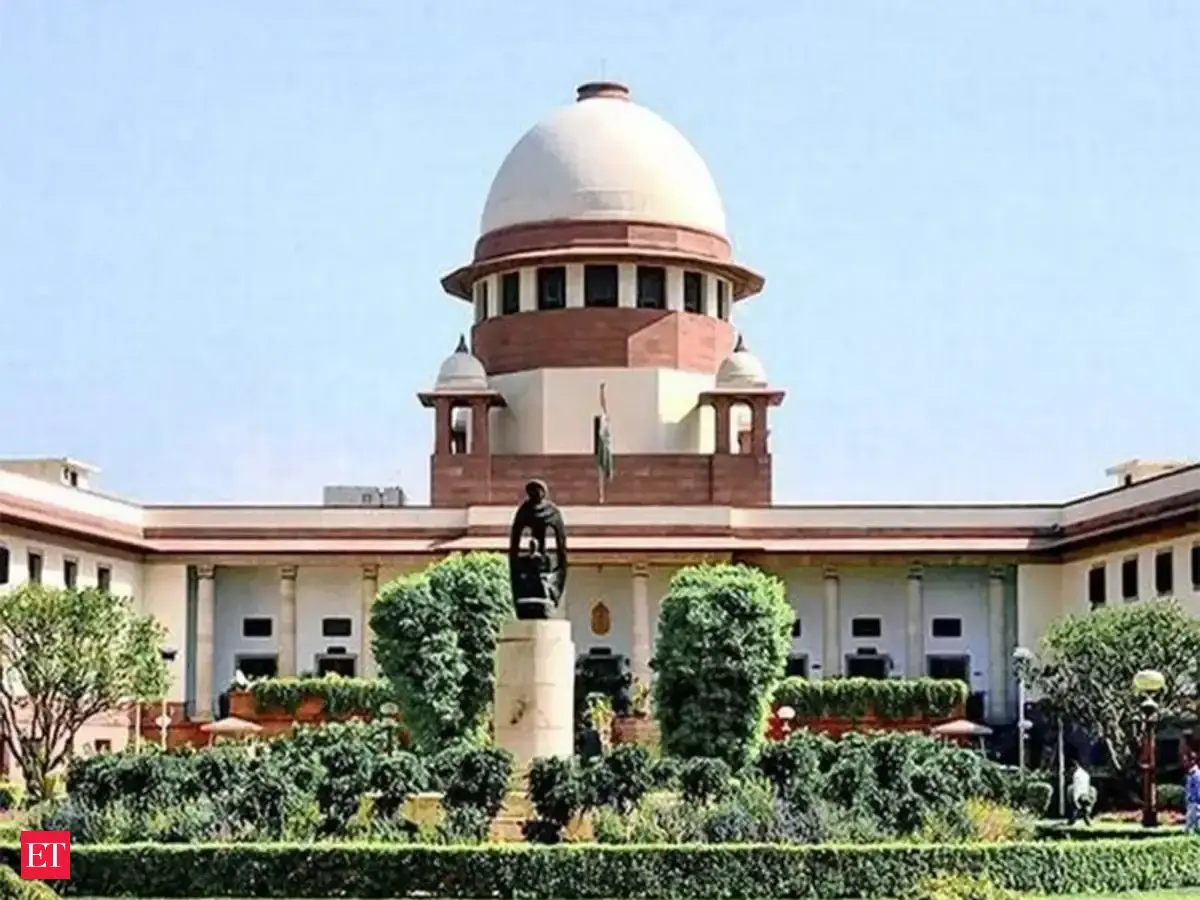
Supreme Court Directs Urgent Cases to Be Presented Only Before Chief Justice
The Economic Times • Apr 7, 2026
Supreme Court to Hear Landmark Case on Women's Access to Sabarimala Temple
The Hindu • Apr 7, 2026

Government Advocates for Religious Autonomy in Sabarimala Case Before Supreme Court
Hindustan Times • Apr 7, 2026
Read the original article
Visit the source for the complete story.