


Iran Stands Firm Against U.S. Pressure Amid Escalating Tensions
Iran's got reasons not to blink in the face of certain ruin
 The Economic Times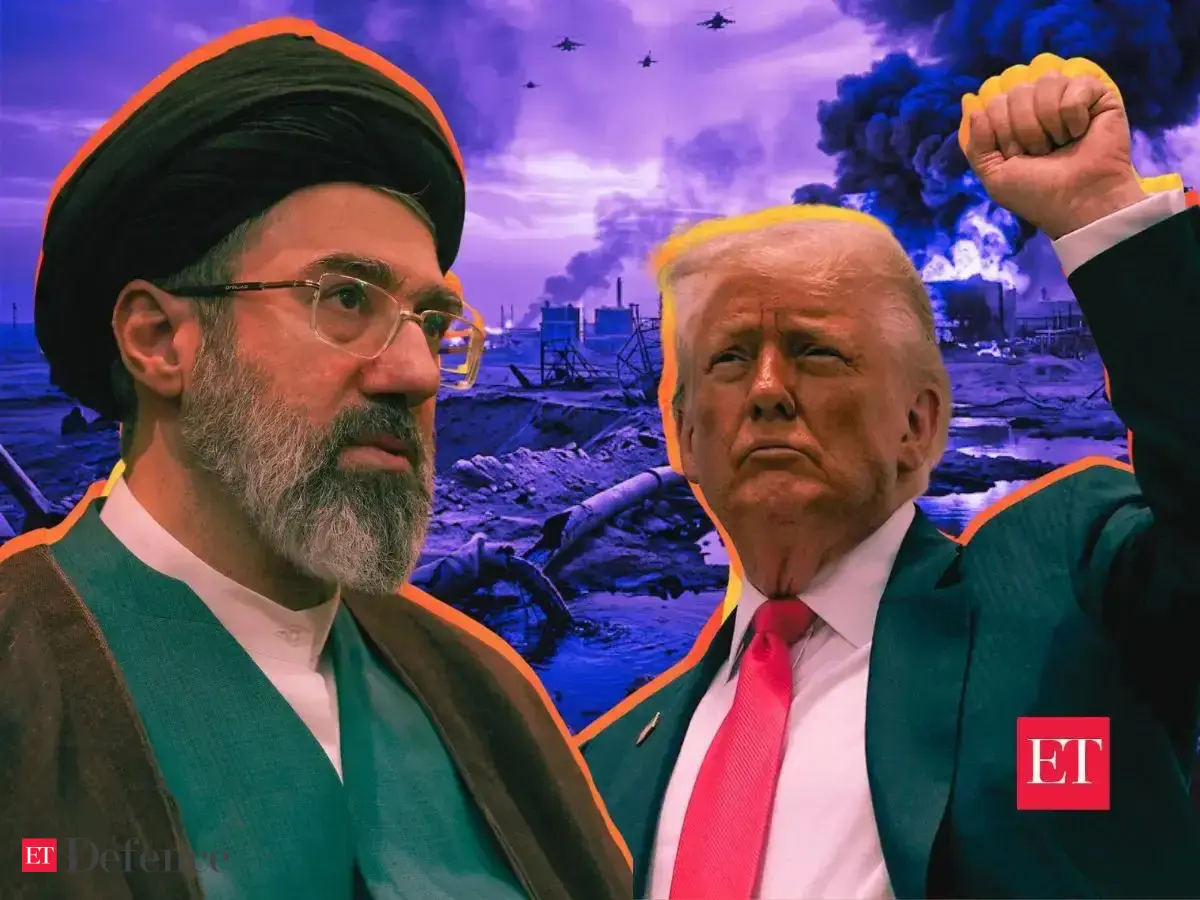
Image: The Economic Times
Iran remains resolute in its stance against U.S. demands, rejecting a temporary ceasefire and presenting extensive conditions for negotiations. As tensions rise, Iranian officials emphasize the need for a permanent settlement rather than a mere pause in hostilities, reflecting deep distrust of U.S. intentions and a strategic view of its leverage over the Strait of Hormuz.
- 01Iran has rejected a temporary ceasefire, insisting on a permanent settlement to the conflict.
- 02The Iranian government perceives itself as having the upper hand in the ongoing conflict.
- 03Iran's control over the Strait of Hormuz is a critical leverage point in its negotiations.
- 04Distrust of U.S. and Israeli commitments influences Iran's refusal to accept a ceasefire.
- 05Iran's demands include sanctions relief and guarantees against future attacks, which the U.S. is unlikely to accept.
Advertisement
In-Article Ad
In a critical standoff with the United States, Iran has firmly rejected a temporary ceasefire proposed by President Donald Trump, insisting instead on a comprehensive settlement that addresses its security concerns and regional hostilities. Iranian officials have articulated a sweeping set of demands, including sanctions relief and guarantees against future attacks, which they believe are essential for any meaningful negotiation. This defiance stems from deep-seated distrust of U.S. intentions, particularly in light of past ceasefire collapses in the region. Iran's strategic control over the Strait of Hormuz, a vital shipping corridor, further strengthens its negotiating position, as it threatens to disrupt global energy markets if its demands are not met. The Iranian government perceives itself as having the upper hand in the conflict, bolstered by recent military successes and a belief that any ceasefire could disproportionately benefit the U.S. and its allies. As tensions escalate, Iran's leadership remains committed to a stance that prioritizes long-term security over short-term concessions, indicating a willingness to endure continued confrontation rather than accept unfavorable terms.
Advertisement
In-Article Ad
Iran's refusal to accept a ceasefire could lead to further military escalations, affecting regional stability and security.
Advertisement
In-Article Ad
Reader Poll
What should be the next step for the U.S. regarding Iran?
Connecting to poll...
Read the original article
Visit the source for the complete story.