




Study Reveals Lead Contamination Risks from Battery Recycling in India
Why battery recycling units across India are harmful for children and pregnant women
 The Economic Times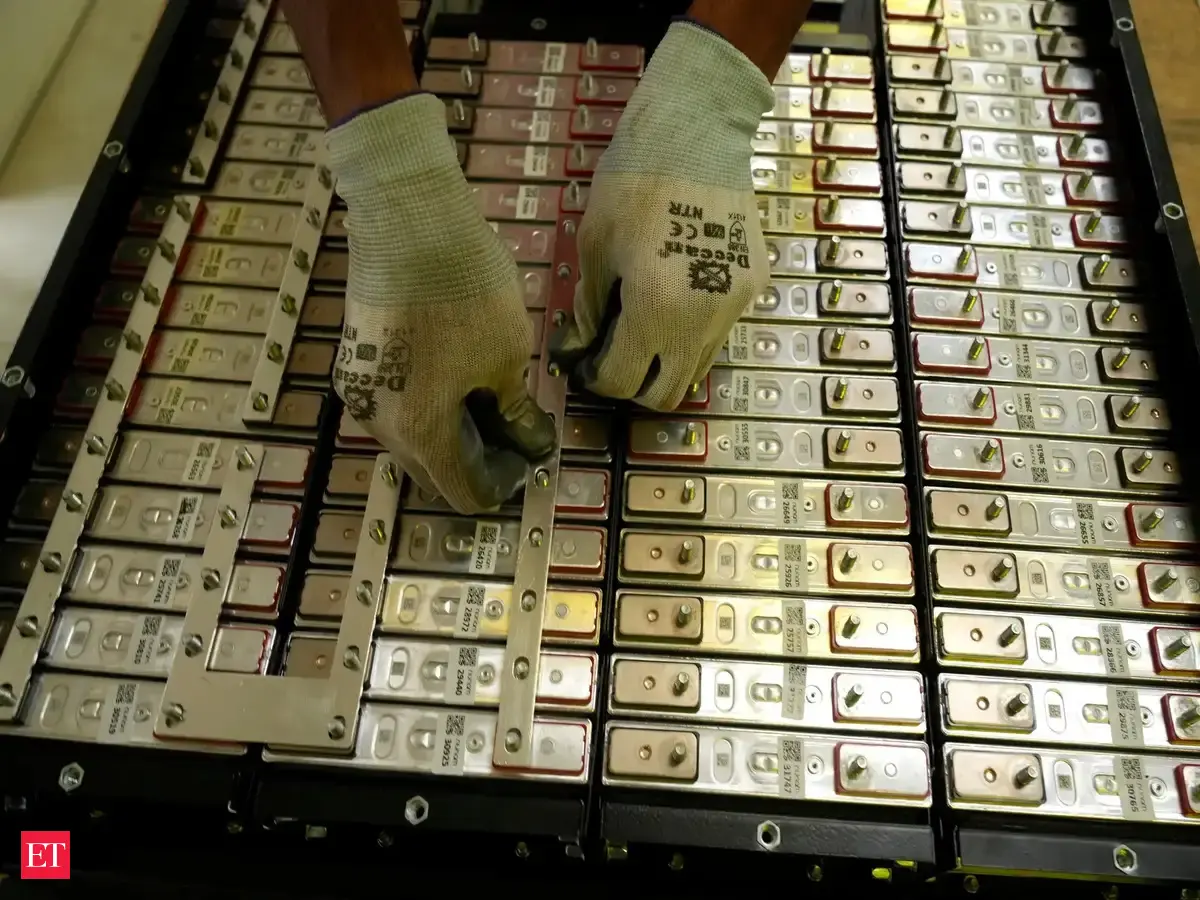
Image: The Economic Times
A study by Toxics Link highlights alarming lead contamination levels in soil near battery recycling units across India, particularly affecting children and pregnant women. The report found lead levels exceeding safety limits in several locations, raising urgent public health concerns and calling for stricter regulations.
- 01Lead contamination in soil around battery recycling units poses serious health risks.
- 0252% of soil samples exceeded 5,000 ppm lead concentration, requiring urgent remediation.
- 03Children and pregnant women are particularly vulnerable to lead exposure.
- 04The study recommends enhanced monitoring and stricter regulations on battery recycling.
- 05Lead exposure is linked to significant health issues, including cognitive impairment.
Advertisement
In-Article Ad
A recent study by Toxics Link has uncovered alarming levels of lead contamination in soil surrounding battery recycling units across India, specifically in regions such as Delhi-NCR, Haryana, Rajasthan, and Uttar Pradesh. The report, titled “Soiled With Lead: From Battery Recycling,” analyzed 23 soil samples from both authorized and unauthorized recycling facilities, revealing lead concentrations ranging from 100 parts per million (ppm) to as high as 43,800 ppm. Notably, 52% of the samples exceeded the Central Pollution Control Board (CPCB) threshold of 5,000 ppm, highlighting a significant public health risk. The findings indicate that lead exposure can severely affect children and pregnant women, causing cognitive impairment and developmental issues. The study advocates for enhanced monitoring of lead levels and stricter regulations on battery recycling practices to mitigate these risks. Lead remains a major environmental health hazard globally, contributing to an estimated 540,000 deaths and 13.9 million disability-adjusted life years lost annually, primarily in low- and middle-income countries.
Advertisement
In-Article Ad
The findings indicate that communities near battery recycling units face serious health risks from lead contamination, particularly affecting vulnerable populations like children and pregnant women.
Advertisement
In-Article Ad
Reader Poll
Should the government impose stricter regulations on battery recycling units?
Connecting to poll...
Read the original article
Visit the source for the complete story.