



Southeast Asia Shows Preference for China Over US, Says Survey
Southeast Asia swings narrowly back to China over US if forced to choose: Survey
 Channel Newsasia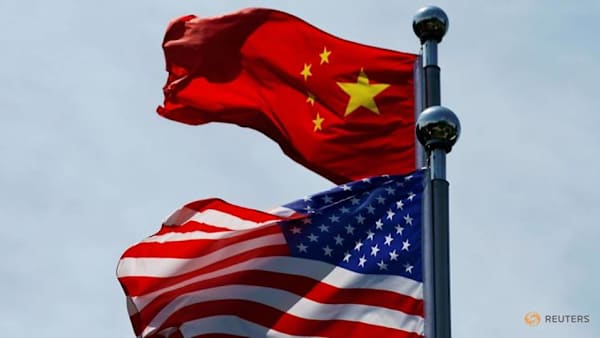
Image: Channel Newsasia
A recent survey by the ISEAS-Yusof Ishak Institute reveals that a slight majority of Southeast Asian respondents prefer aligning with China (52%) over the United States (48%) if forced to choose. The findings highlight a complex regional sentiment amid ongoing great power competition, with significant variations across different countries in the region.
- 0152% of respondents prefer China over the US, reflecting a shift in regional sentiment.
- 02Support for China is strongest in Indonesia (80.1%) and Malaysia (68%).
- 03The Philippines (76.8%) and Myanmar (61.4%) show strong support for the US.
- 0455.6% believe relations with China will improve in the next three years.
- 05Concerns about China's influence and US economic policies shape regional perceptions.
Advertisement
In-Article Ad
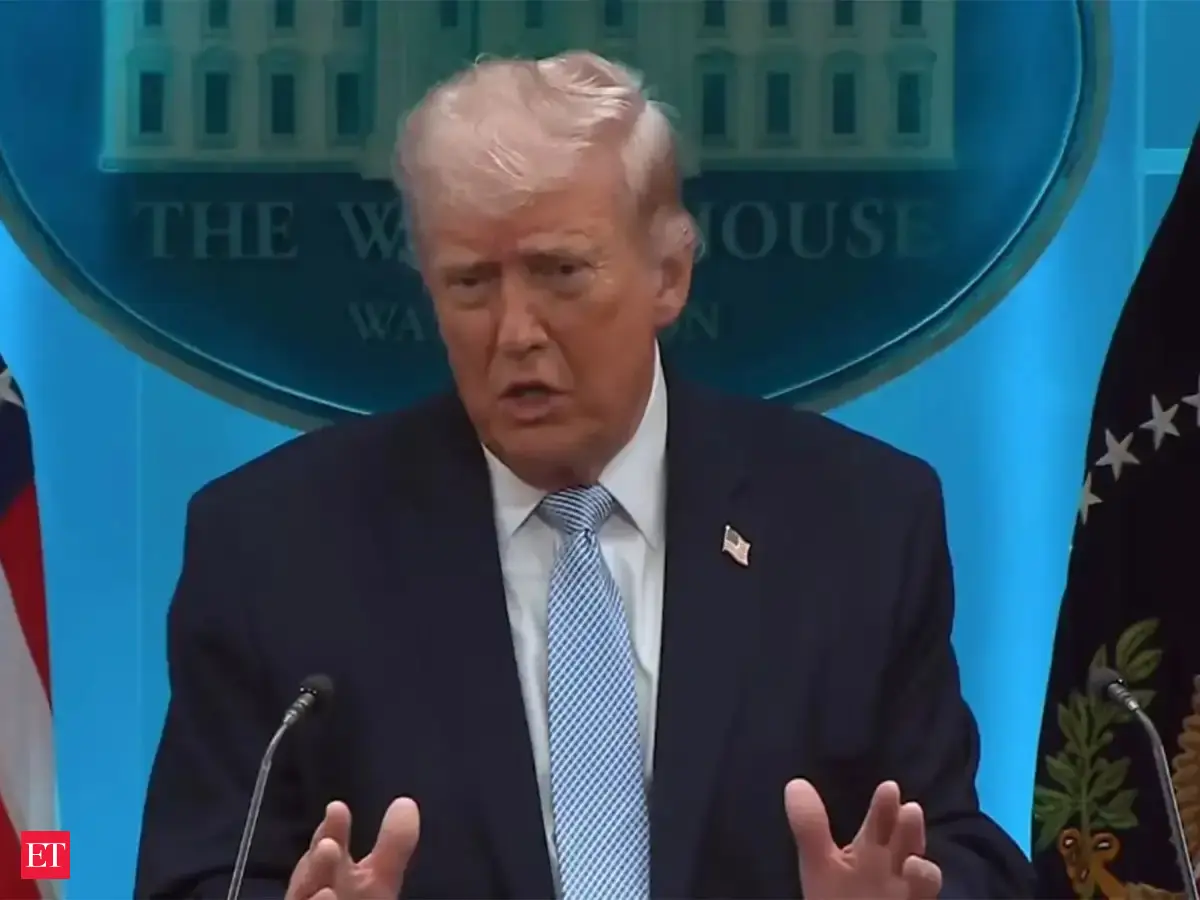
A survey conducted by the ISEAS-Yusof Ishak Institute in Singapore indicates that 52% of respondents from Southeast Asia would align with China over the United States if compelled to choose, marking a shift in regional sentiment amid intensifying geopolitical competition. This year's findings, released on April 7, 2026, show a narrow margin between the two powers, with support for China particularly strong in countries like Indonesia (80.1%) and Malaysia (68%). Conversely, the Philippines (76.8%) and Myanmar (61.4%) favor the US. The survey, which included 2,008 respondents from all 11 ASEAN member states, highlights significant variations in national perspectives, with countries economically tied to China leaning towards Beijing. Additionally, 55.6% of respondents expect their relations with China to improve over the next three years, despite concerns about China's domestic interference and assertive tactics in regional disputes. The survey also reveals a cautious outlook on US relations, with 37.7% believing they will remain unchanged under a potential second term for Donald Trump. Overall, the results underscore a divided strategic landscape, with many ASEAN countries advocating for neutrality and regional unity in the face of great power rivalry.
Advertisement
In-Article Ad
The survey results suggest that Southeast Asian nations may increasingly align with China, impacting regional diplomatic and economic strategies.
Advertisement
In-Article Ad
Reader Poll
Which country do you believe Southeast Asia should align with more closely?
Connecting to poll...
Read the original article
Visit the source for the complete story.