



New Tree-Felling Guidelines in Taj Trapezium Zone to Boost Agroforestry
Agroforestry push: Tree-felling norms eased beyond 5-km radius in Taj Trapezium Zone
 Hindustan Times
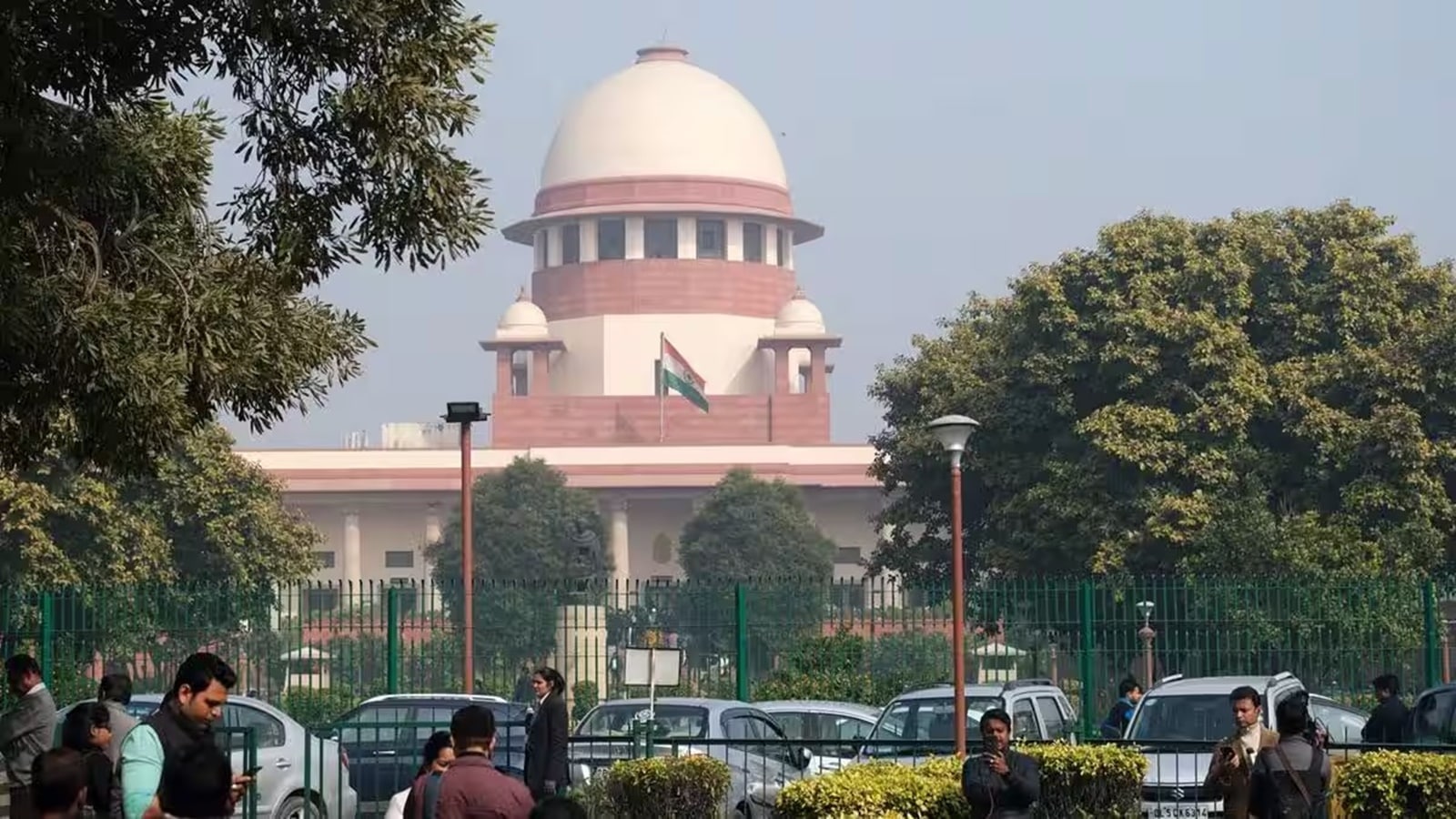
Image: Hindustan Times
The Supreme Court's 2025 decision has led to relaxed tree-felling norms in the Taj Trapezium Zone (TTZ) beyond a 5-km radius of the Taj Mahal, aiming to promote agroforestry. The new guidelines simplify permissions for tree management, although environmentalists express concerns over potential negative impacts.
- 01New guidelines simplify tree-felling permissions in the Taj Trapezium Zone.
- 02Farmers can now fell up to 49 specified trees without extensive approvals.
- 03The Supreme Court had previously imposed strict regulations on tree management in the TTZ.
- 04Environmentalists warn that relaxed norms could weaken environmental protections.
- 05The TTZ covers a 10,400 square kilometer area around the Taj Mahal.
Advertisement
In-Article Ad
The Supreme Court of India has eased tree-felling regulations in the Taj Trapezium Zone (TTZ), which encompasses areas in Agra, Firozabad, Mathura, Hathras, and Etah districts in Uttar Pradesh, as well as Bharatpur district in Rajasthan. Following a ruling in 2025, the social forestry wing of the forest department has issued new guidelines that allow farmers beyond a 5-km aerial radius of the Taj Mahal to obtain permission to fell, prune, or cut specified tree species, including eucalyptus, poplar, and melia dubia (Malabar neem). This move aims to promote agroforestry and streamline the permission process, which was previously stringent due to a blanket ban imposed by the Supreme Court in 2015. The new standard operating procedures (SOP) allow farmers to fell up to 49 trees without extensive approvals, while non-farmers must seek permission from the Central Empowered Committee (CEC) for similar actions. However, environmental activists have raised concerns about the potential dilution of environmental protections, fearing that the relaxation of norms could lead to negative consequences for the ecosystem. The TTZ was established to mitigate the impact of industrial pollution on the Taj Mahal, and its management remains a contentious issue.
Advertisement
In-Article Ad
The new guidelines are expected to facilitate agroforestry, potentially increasing local agricultural productivity and economic opportunities for farmers in the region.
Advertisement
In-Article Ad
Reader Poll
Do you support the relaxation of tree-felling norms in the Taj Trapezium Zone?
Connecting to poll...
More about Supreme Court of India
Read the original article
Visit the source for the complete story.