



Supreme Court Forms Diverse Nine-Judge Bench for Sabarimala Review
Supreme Court’s Sabarimala review bench reflects diversity across faith, region and gender
 Hindustan Times
Image: Hindustan Times
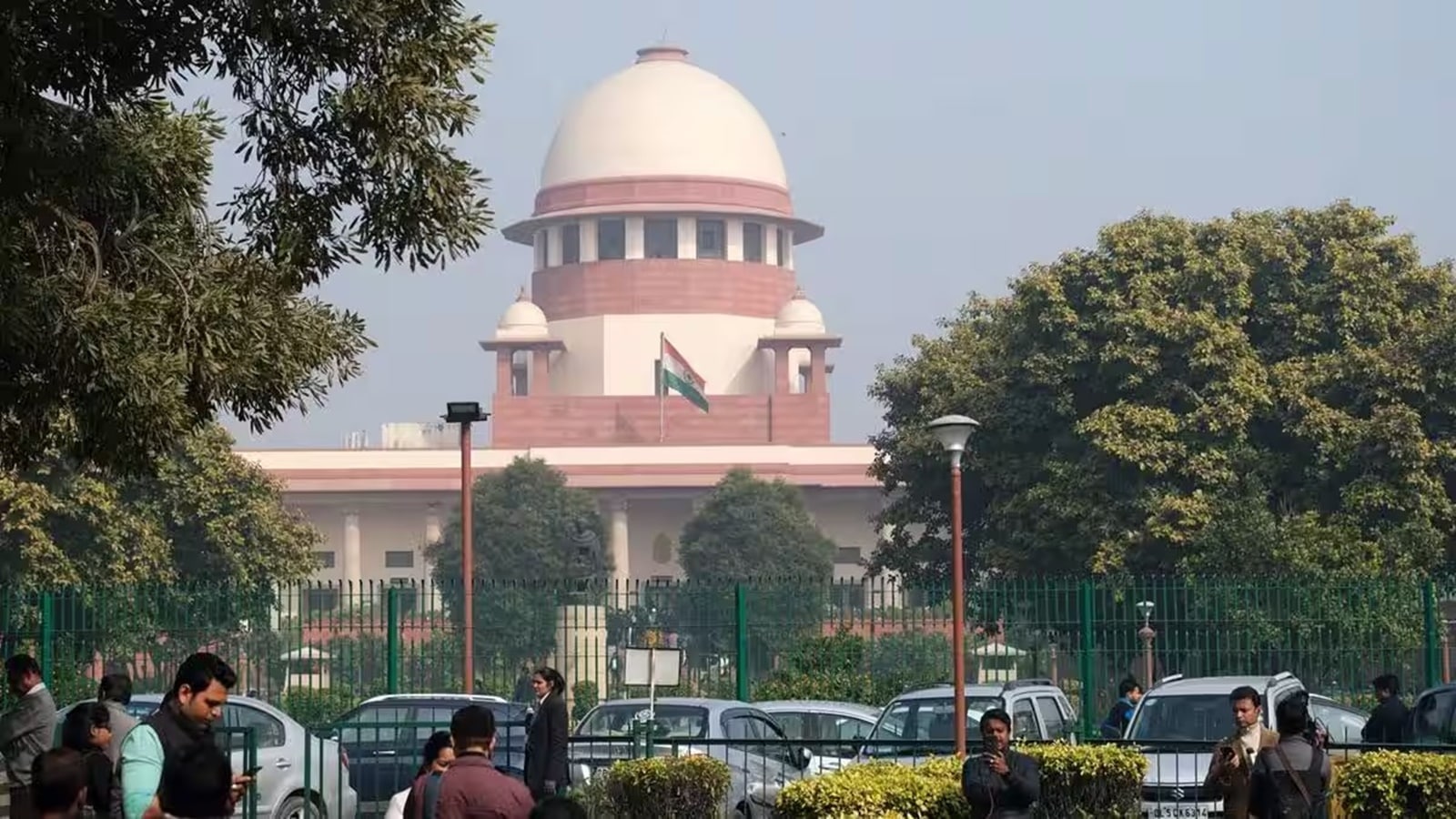
The Supreme Court of India has constituted a nine-judge bench to review the Sabarimala temple case, reflecting diversity in gender, religion, and region. Headed by Chief Justice Surya Kant, the bench will address sensitive issues surrounding women's entry into religious sites and the balance between faith and constitutional rights starting April 7.
- 01The nine-judge bench reflects diversity in gender, religion, and regional representation.
- 02Chief Justice Surya Kant emphasizes balancing individual rights with institutional stability.
- 03Justice BV Nagarathna's inclusion highlights gender equality issues in the case.
- 04The bench will address broader questions of constitutional morality and religious freedom.
- 05The review includes significant historical cases related to religious practices and women's rights.
Advertisement
In-Article Ad
The Supreme Court of India has established a nine-judge bench to review the Sabarimala temple case, which has been a contentious issue regarding women's entry into places of worship. The bench, headed by Chief Justice Surya Kant, includes justices from diverse backgrounds, reflecting India's pluralism. This composition aims to lend legitimacy to the court's ruling on sensitive matters that intersect faith and fundamental rights. Justice BV Nagarathna, the only woman on the bench, is particularly significant as the case involves the exclusion of menstruating women from the temple. The bench also includes judges from various religious communities, enhancing the representation of different faiths in judicial proceedings. The review will not only address the Sabarimala case but also examine related issues, such as the rights of Muslim women to enter mosques and the implications of religious practices on constitutional guarantees. The hearing is set to begin on April 7.
Advertisement
In-Article Ad
The ruling may redefine women's rights in religious contexts and influence access to places of worship across various faiths in India.
Advertisement
In-Article Ad
Reader Poll
Do you support women's entry into places of worship that currently restrict access?
Connecting to poll...
More about Supreme Court of India
Supreme Court Expands Committee to Address Concerns Over 'Stock' Witnesses
The Indian Express • Apr 6, 2026

New Tree-Felling Guidelines in Taj Trapezium Zone to Boost Agroforestry
Hindustan Times • Apr 6, 2026

Supreme Court Establishes Nine-Judge Bench for Sabarimala Temple Entry Review
News 18 • Apr 5, 2026
Read the original article
Visit the source for the complete story.