Ceasefire in Iran: A Fragile Pause, Not a Resolution
The Iran War has been paused — it is not over. Islamabad talks can deliver a fragile adjustment
 The Indian Express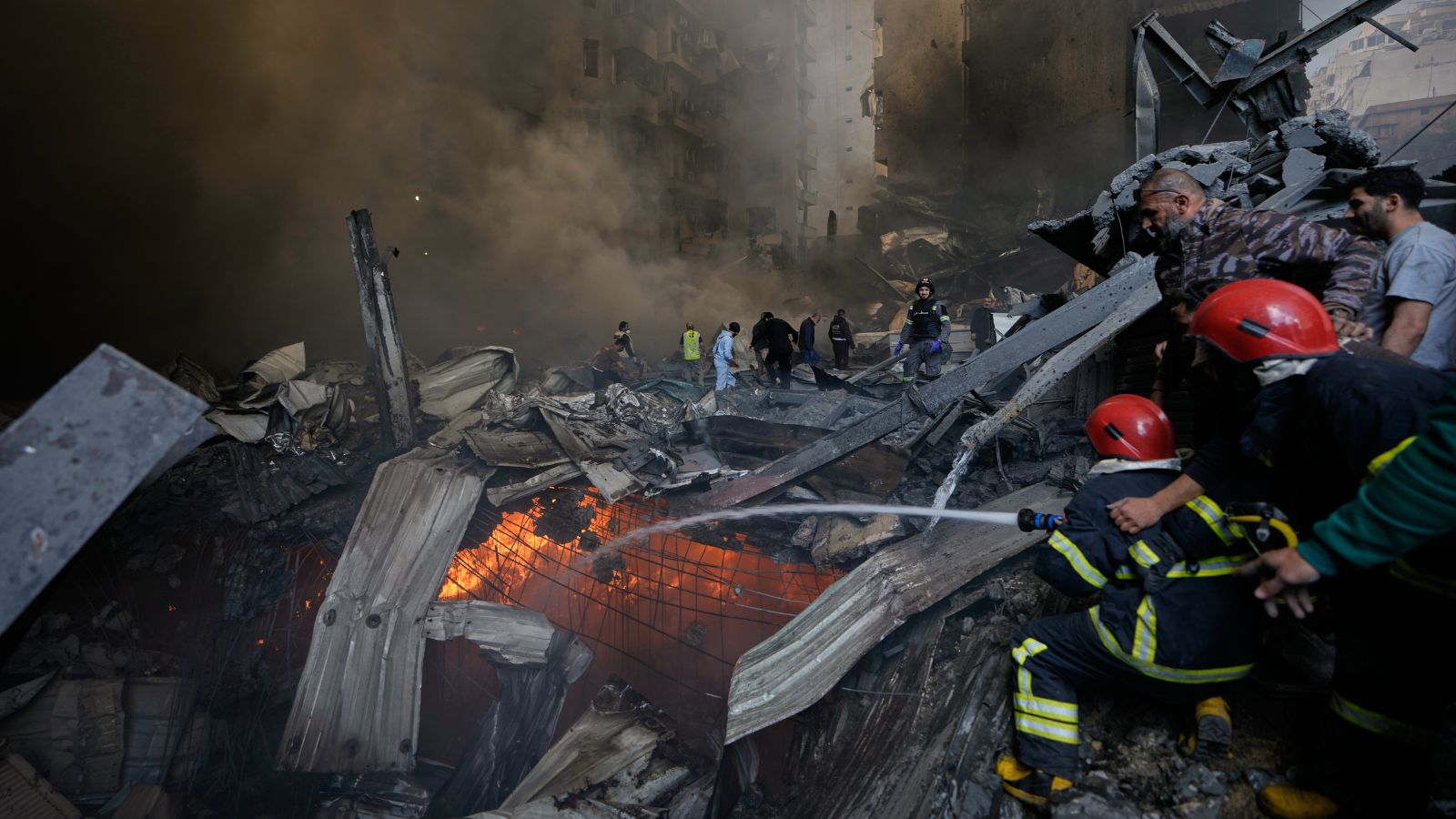
Image: The Indian Express
Context
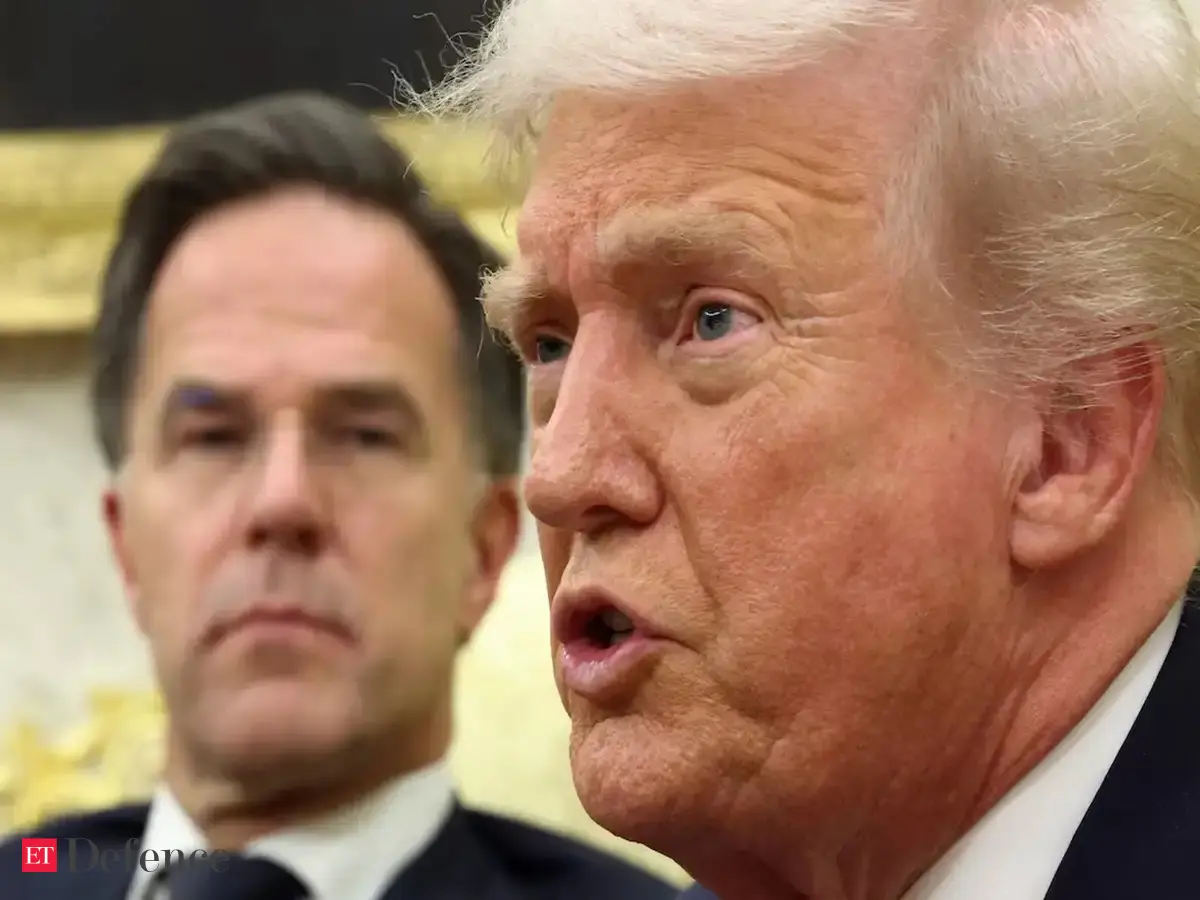
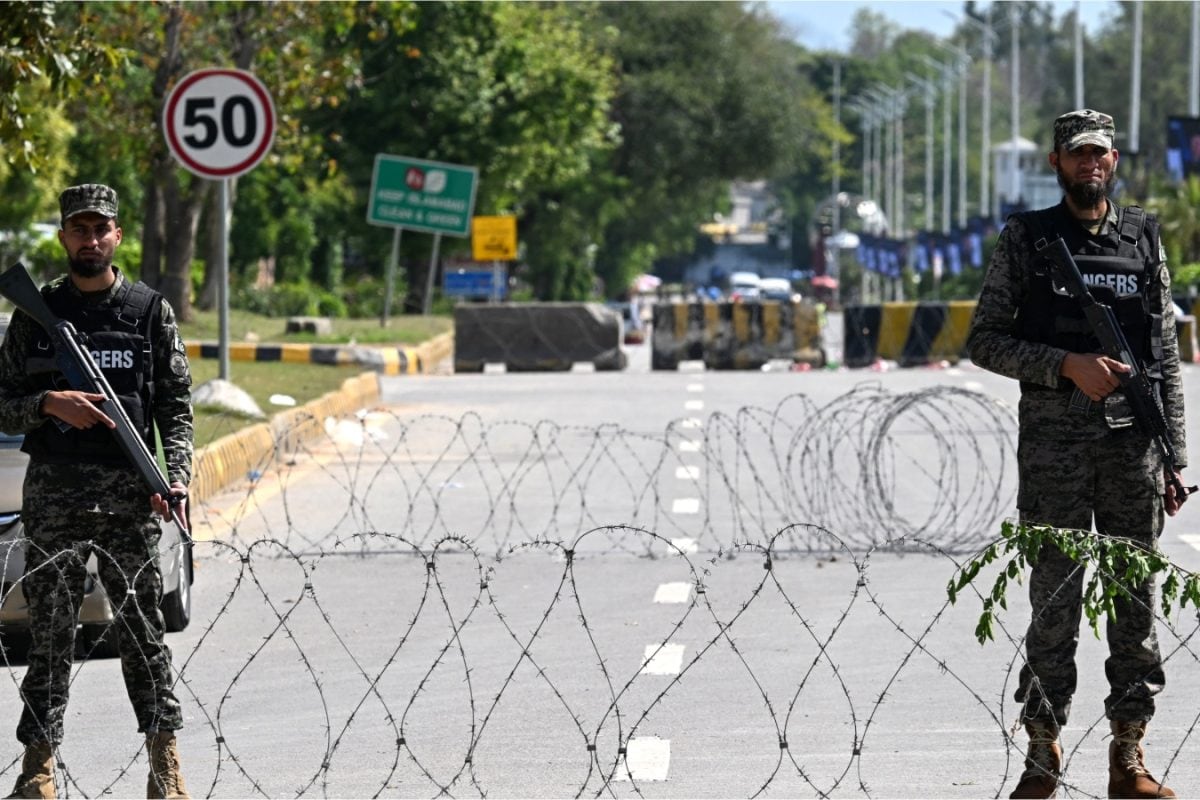
The ceasefire in West Asia, facilitated by Pakistan, Egypt, and Turkey, aims to halt immediate hostilities in Iran. However, the core issues fueling the conflict, such as control over the Strait of Hormuz and the influence of Western powers, remain unresolved.
What The Author Says
The author argues that while the ceasefire in Iran has temporarily halted hostilities, it does not resolve the deeper structural issues driving the conflict.
Key Arguments
📗 Facts
- The ceasefire in Iran was negotiated through efforts by Pakistan, Egypt, and Turkey.
- Damage to US military bases in the region has significantly weakened American deterrence.
- Repair timelines for damaged Arab petrochemical facilities range from three to six months.
📕 Opinions
- The ceasefire is primarily a temporary solution that does not resolve deeper issues.
- Iran's internal power dynamics are shifting, potentially weakening clerical leadership.
Counterpoints
The ceasefire could lead to unexpected diplomatic breakthroughs.
While the ceasefire is fragile, it may create a platform for more constructive dialogue and cooperation among regional players.
Iran may be more willing to negotiate than perceived.
The presence of moderate elements within Iran's political landscape could facilitate a more collaborative approach to negotiations.
US support for Gulf states might still prove effective.
Despite recent challenges, the US may still leverage its influence to stabilize the region and support its allies.
Bias Assessment
The author's military background may influence a critical view of US policies and regional dynamics.
Why This Matters
Recent talks in Islamabad between the United States and Iran could significantly influence regional stability and security dynamics in West Asia.
🤔 Think About
- •What are the long-term implications of Iran's leverage in negotiations?
- •Could the ceasefire lead to a more stable regional order, or is it merely a pause?
- •How might Gulf monarchies adapt their security strategies in response to these developments?
- •What role could moderate voices in Iran play in shaping future policies?
Opens original article on The Indian Express
Advertisement
In-Article Ad
Reader Poll
Do you believe the ceasefire in Iran will lead to lasting peace?
Connecting to poll...