
Pakistan's Role in US-Iran Peace Talks Amid Media Restrictions
Can Pakistan Bridge The US-Iran Divide As Peace Talks Begin Under Media Curbs? Exclusive
 News 18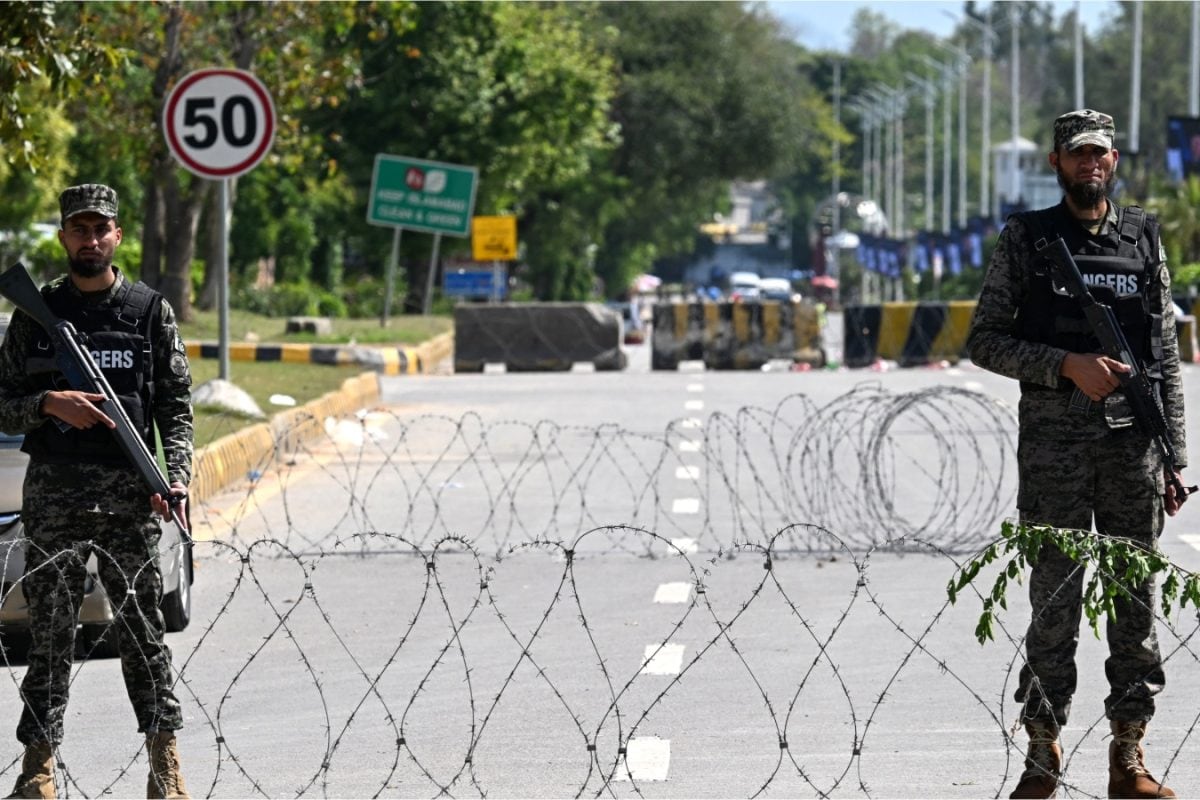
Image: News 18
As the United States and Iran prepare for direct talks, Pakistan has stepped in as a key intermediary, facilitating communication between the two nations. However, media restrictions imposed by Pakistan's government have raised concerns about press freedom during these critical negotiations.
- 01Pakistan is facilitating communication between the US and Iran ahead of direct talks.
- 02Key issues include Iran's demands for a ceasefire in Lebanon and lifting US sanctions.
- 03Media restrictions in Pakistan limit coverage of the peace talks, raising concerns about press freedom.
- 04Both sides may agree on an interim outcome to extend the current ceasefire.
- 05The outcome of these talks could significantly impact regional security and global energy markets.
Advertisement
In-Article Ad
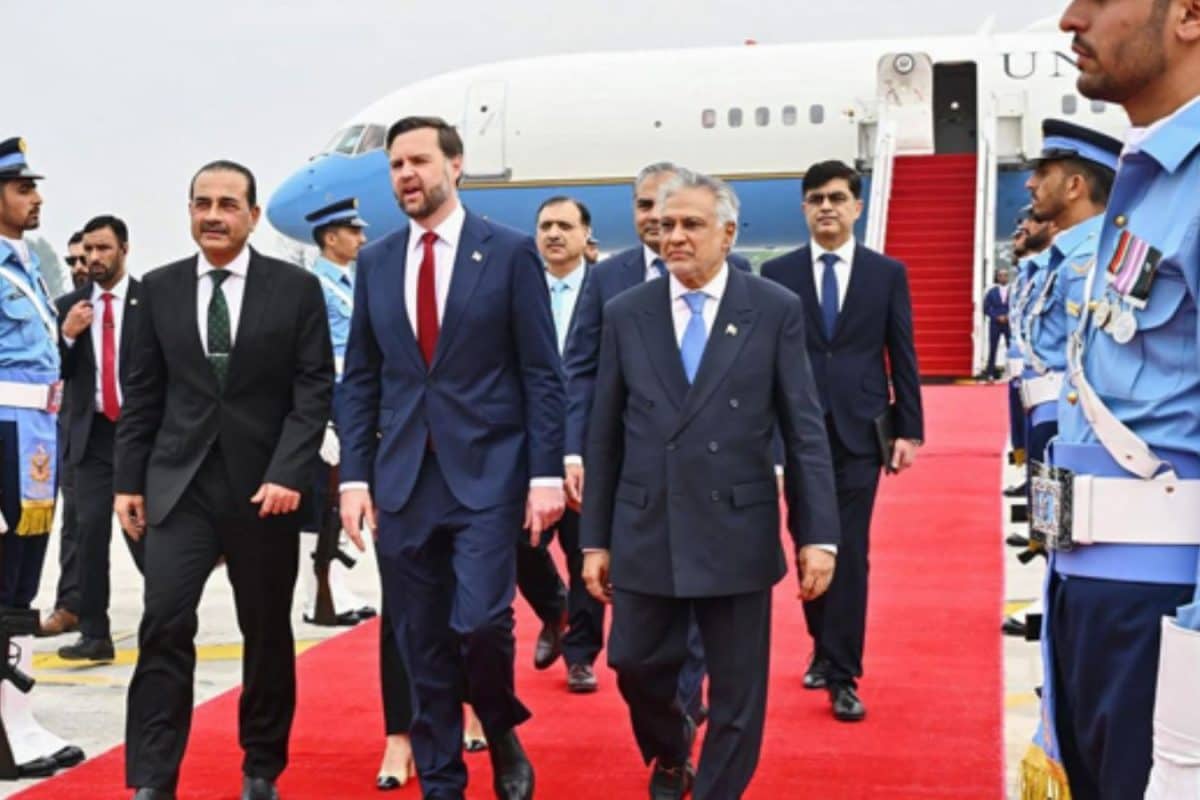
As the United States and Iran engage in high-stakes diplomacy, Pakistan has emerged as a crucial intermediary, facilitating communication between the two nations. Islamabad has been briefing both sides on their positions, setting the stage for potential direct talks led by US Vice-President JD Vance. The agenda aims for two to three rounds of discussions, with both delegations reportedly empowered to make decisions. However, significant challenges remain, including Iran's insistence on linking a broader agreement to a ceasefire in Lebanon and demands for the lifting of US sanctions and recognition of its uranium enrichment rights. Additionally, Iran seeks recognition of its sovereignty over the Strait of Hormuz and security guarantees. Despite these hurdles, preliminary discussions may focus on extending the current ceasefire while more complex issues are addressed later. Meanwhile, Pakistan's government has imposed strict media directives, limiting coverage of the negotiations and raising concerns about press freedom. Journalists are instructed to avoid speculation and rely solely on official statements, which has sparked unease within media circles. These restrictions reflect Islamabad's desire to control the narrative during these sensitive talks.
Advertisement
In-Article Ad
The outcome of these talks could influence regional stability and energy markets, affecting both local economies and international relations.
Advertisement
In-Article Ad
Reader Poll
Do you think media restrictions during diplomatic talks are justified?
Connecting to poll...
Read the original article
Visit the source for the complete story.