


Trump's Vicious Rhetoric Towards Iran: A Shift from Euphemism to Dysphemism
Forget euphemism, Trump is using unabashed viciousness in his language against Iran
 The Guardian
Image: The Guardian
Donald Trump has adopted a starkly aggressive language regarding Iran, openly discussing military actions and showcasing a lack of euphemism in his rhetoric. This approach reflects a broader trend in U.S. military discourse, emphasizing destruction while raising concerns about potential war crimes and geopolitical motivations.
- 01Trump's language towards Iran has shifted from euphemism to unabashed aggression.
- 02Statements by Trump and media figures reveal a disturbing embrace of violence and war crimes.
- 03The use of dysphemism in political discourse highlights a departure from traditional political language.
- 04Critics argue that this rhetoric obscures deeper geopolitical issues and motivations.
- 05The focus on military action raises ethical concerns about the consequences of such language.
Advertisement
In-Article Ad
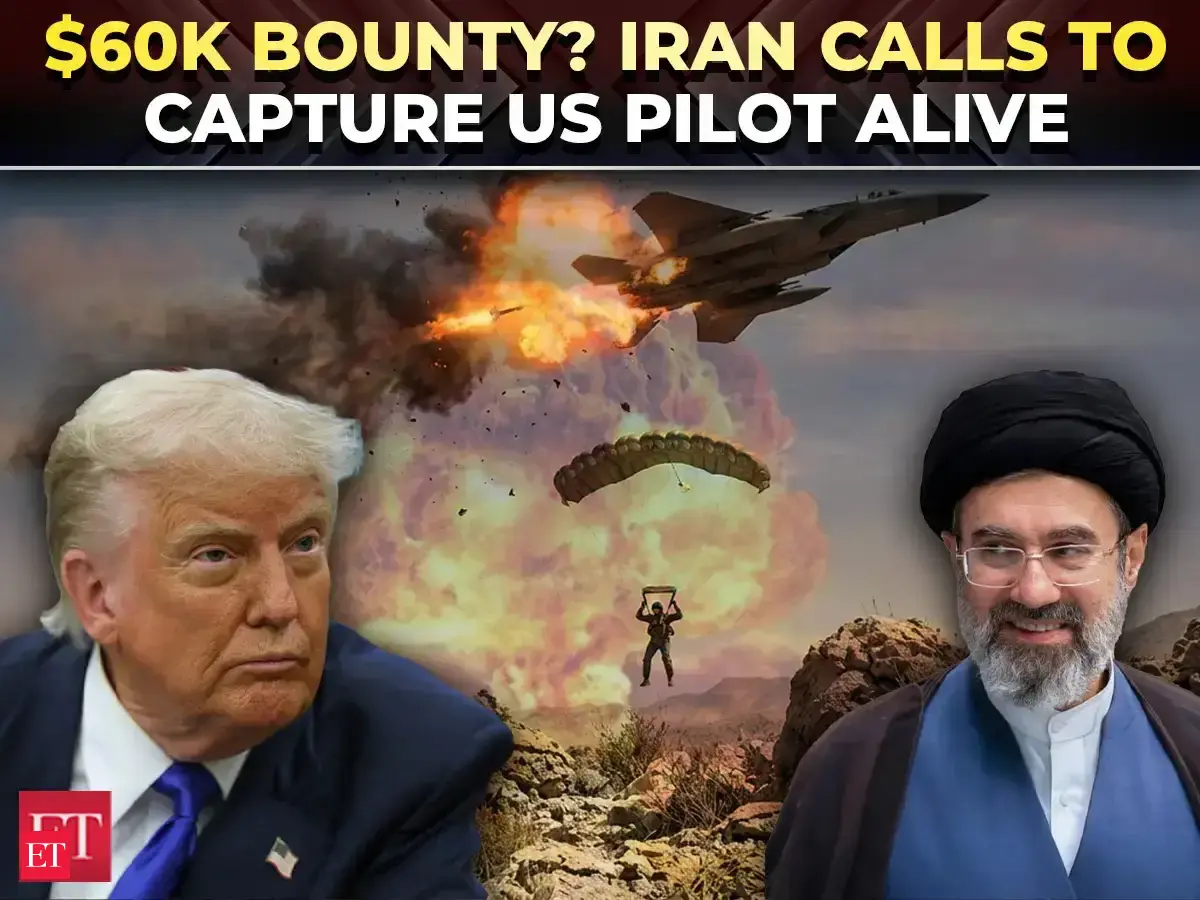
In recent statements, former U.S. President Donald Trump has embraced a starkly aggressive tone regarding Iran, suggesting that if negotiations fail, the U.S. could continue bombing the country. His remarks, including a claim about 'killing' Iranians, reflect a departure from political euphemism towards a more brutal form of rhetoric known as dysphemism. This shift is echoed by media figures like Pete Hegseth, who openly celebrated military actions and expressed a desire to inflict 'death and destruction from the sky'. Critics point out that such language not only violates social norms but also raises serious ethical questions about potential war crimes. The Trump administration's rhetoric appears to revel in the idea of violence, framing military actions as a display of American 'lethality' rather than defensive measures. This approach, while appealing to some supporters, obscures the underlying geopolitical complexities and the potential consequences of such aggressive posturing. The focus on destruction as a virtue raises concerns about the motivations behind these statements, suggesting a troubling blend of political maneuvering and personal enrichment.
Advertisement
In-Article Ad
The aggressive rhetoric surrounding military actions can influence public perception and policy decisions regarding U.S. involvement in foreign conflicts.
Advertisement
In-Article Ad
Reader Poll
Do you believe aggressive rhetoric from leaders can lead to real military conflict?
Connecting to poll...
Read the original article
Visit the source for the complete story.