
Emerging Tensions Between U.S. Military and Political Leadership Amid Iran Conflict
Opinion: Is An 'Iran' Rift Brewing Between Trump And His Military? Hints From 2003
 Ndtv
Ndtv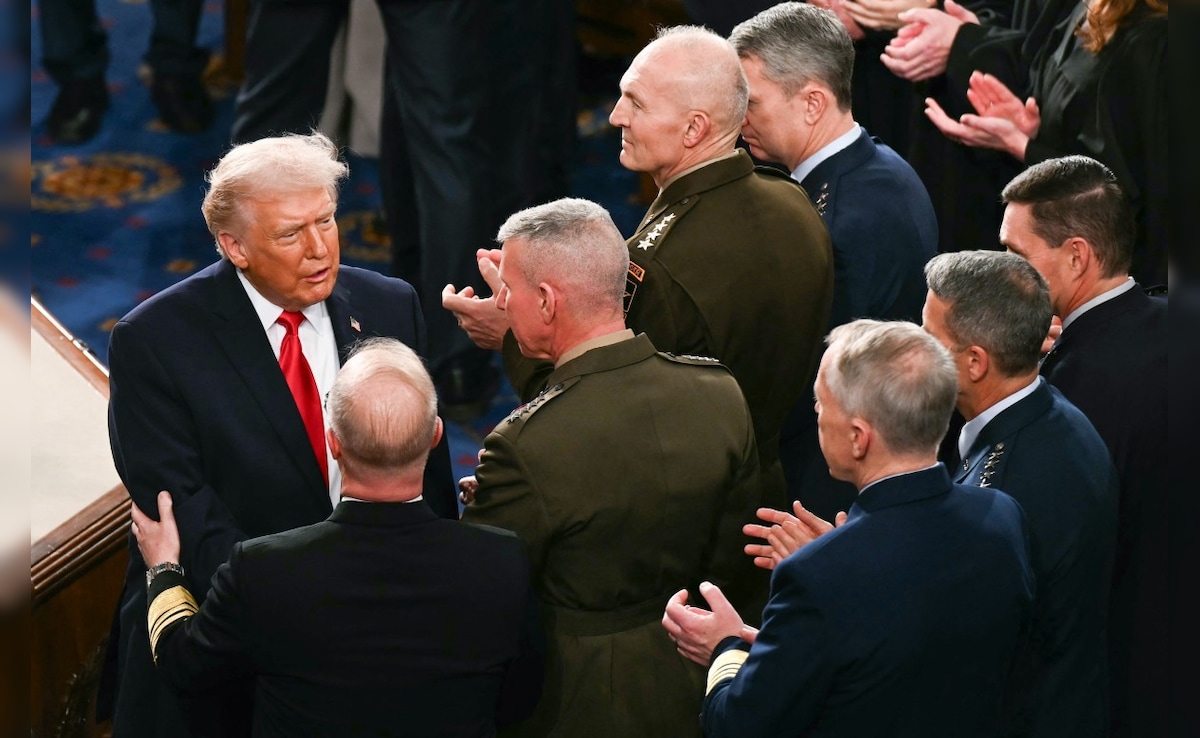
Image: Ndtv
Recent developments in the U.S. military raise concerns about discord between military and political leaders during the ongoing conflict in Iran. The dismissal of General Randy George highlights internal rivalries, while shifts in leadership and rhetoric suggest a growing divide that could impact military coherence and operational effectiveness.
- 01General Randy George's removal indicates internal strife within military leadership during the Iran conflict.
- 02The situation mirrors past civil-military tensions, notably the sidelining of General Eric Shinseki during the Iraq War.
- 03Concerns have been raised over the framing of the Iran campaign as a 'holy war' by some military leaders.
- 04Changes in military leadership and promotion processes signal a shift in internal dynamics and political influence.
- 05The balance between military advice and political decision-making is critical during wartime, impacting operational stability.
Advertisement
In-Article Ad
The ongoing conflict in Iran has revealed significant tensions between the U.S. military and political leadership, particularly highlighted by the recent dismissal of General Randy George, the Army's chief. His ousting appears linked to internal rivalries, particularly with Army Secretary Dan Driscoll and political figure Pete Hegseth. This situation echoes the earlier sidelining of General Eric Shinseki during the Iraq War, suggesting a troubling pattern of military leaders being removed amid disagreements over operational strategies. Reports indicate that George opposed Hegseth's push for a land war in Iran, raising questions about President Donald Trump's stance on such military actions.
Moreover, changes in the promotion processes within the military, including the removal of Black officers and women from consideration, have drawn scrutiny and raised concerns about political influence in military appointments. The framing of the Iran conflict has also sparked controversy, with some commanders reportedly invoking religious rhetoric, prompting calls from Congress for an investigation into potential violations of constitutional protections. These developments underscore the importance of maintaining internal military coherence during wartime, as frequent leadership changes and altered advisory mechanisms can strain operational effectiveness and clarity of purpose.
Advertisement
In-Article Ad
Advertisement
In-Article Ad
Reader Poll
Do you believe the U.S. military should maintain political neutrality during conflicts?
Connecting to poll...