






Kalshi Dominates U.S. Prediction Market Amid Regulatory Battles
Kalshi now controls 89% of the U.S. prediction market as regulated trading takes over
 Coindesk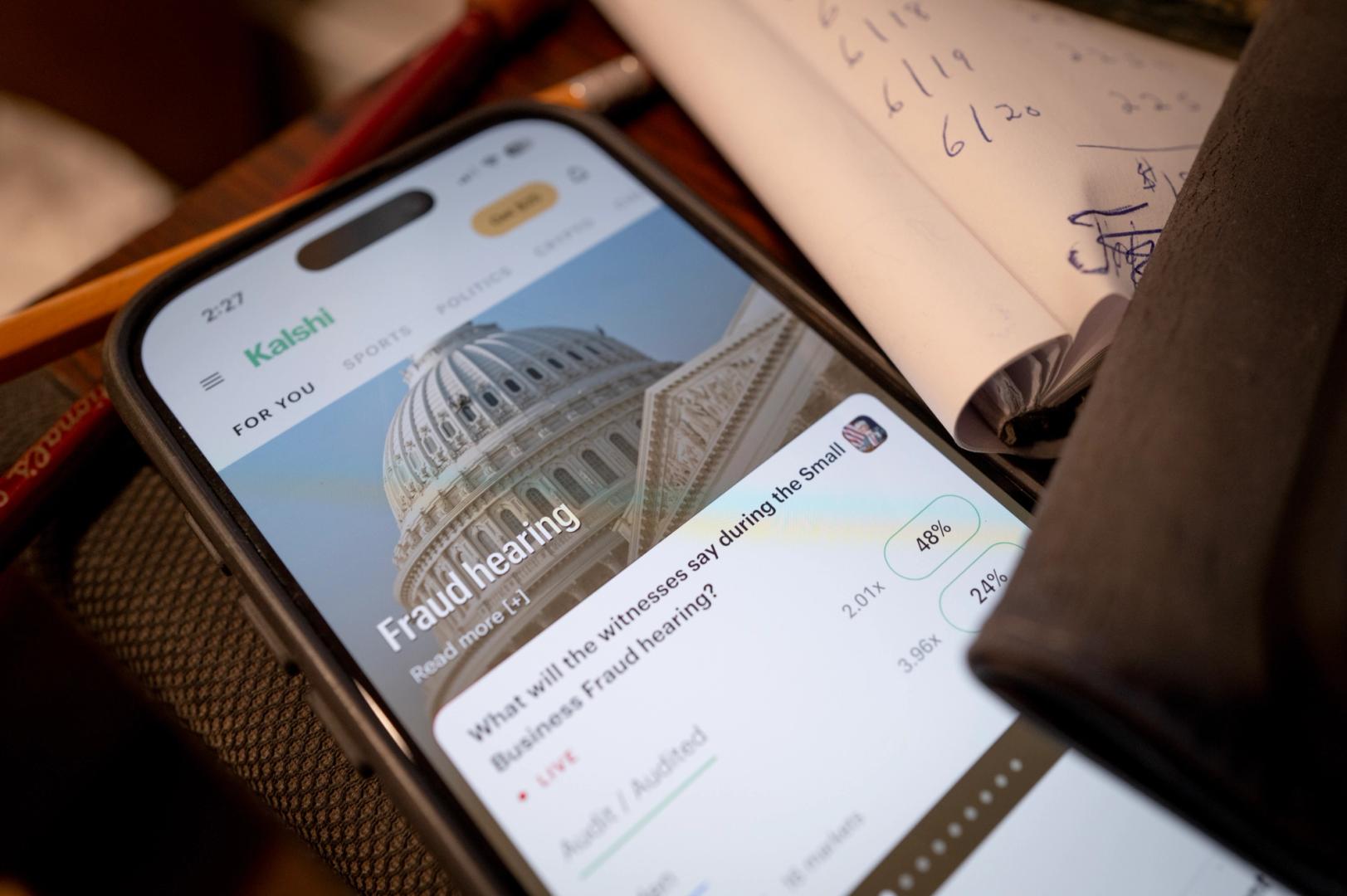
Image: Coindesk
Kalshi now controls 89% of the U.S. prediction market, significantly ahead of competitors like Polymarket and Crypto.com. The future of prediction markets hinges on ongoing legal disputes between federal regulators and states regarding whether these platforms are financial instruments or gambling, which could reshape the industry landscape.
- 01Kalshi commands 89% of the U.S. prediction market, leading in weekly trading volume.
- 02A legal battle is ongoing over whether prediction markets are financial instruments or gambling.
- 03Kalshi operates under the oversight of the Commodity Futures Trading Commission (CFTC), contrasting with Polymarket's unregulated status.
- 04The outcome of regulatory disputes could determine whether prediction markets scale nationally or fragment by state.
- 05Traditional gaming firms are adapting to the rise of prediction markets, indicating a shift in user preferences.
Advertisement
In-Article Ad
Kalshi, a federally regulated prediction market exchange, now dominates the U.S. sector with 89% of the market share, according to a recent report from Bank of America. The prediction market is experiencing growth, with a 4% increase in weekly trading volume. However, the industry faces significant legal challenges as federal regulators, particularly the Commodity Futures Trading Commission (CFTC), clash with individual states over the classification of prediction markets. While Kalshi frames its contracts as financial derivatives, its competitor Polymarket operates under less regulatory scrutiny but faces restrictions domestically. Legal disputes have arisen in states like Nevada and Massachusetts, where Kalshi has faced injunctions, while the CFTC argues for federal preemption over state gambling laws. The resolution of these legal battles will be crucial in determining whether prediction markets can operate under a unified federal framework or if they will be subject to varying state regulations, potentially hindering growth. Additionally, traditional gaming firms are adjusting their strategies in response to the rise of prediction markets, suggesting a shift in consumer behavior towards trading-like products.
Advertisement
In-Article Ad
The resolution of regulatory disputes will significantly shape the future of prediction markets in the U.S., affecting how consumers engage with these platforms.
Advertisement
In-Article Ad
Reader Poll
Do you believe prediction markets should be regulated as financial instruments?
Connecting to poll...
More about Commodity Futures Trading Commission
Read the original article
Visit the source for the complete story.