





NASA's Artemis II Mission Launches Astronauts Towards the Moon
Artemis II astronauts rocket towards the moon after breaking free of Earth’s orbit
 The Guardian
Image: The Guardian
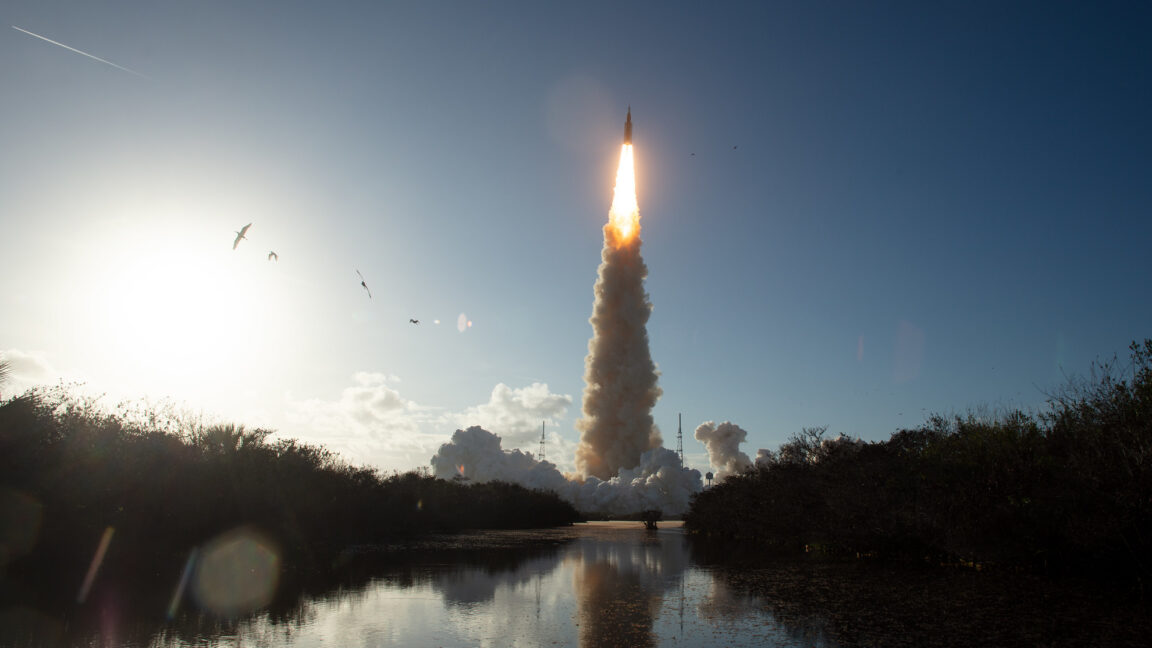
NASA's Artemis II mission successfully launched four astronauts towards the moon, marking the first crewed lunar flyby in over 50 years. The Orion spacecraft's engine burn initiated a 10-day mission aimed at paving the way for a moon landing in 2028, with astronauts expected to travel over 250,000 miles (402,336 km) from Earth.
- 01Artemis II marks the first crewed lunar flyby since 1972.
- 02The mission includes astronauts from the U.S. and Canada, with significant historical milestones.
- 03The Orion capsule's engine burn lasted under six minutes, setting the trajectory towards the moon.
- 04The mission aims for a moon landing by 2028, amidst competition with China's lunar ambitions.
- 05The Artemis program has faced delays and pressures for accelerated timelines.
Advertisement
In-Article Ad
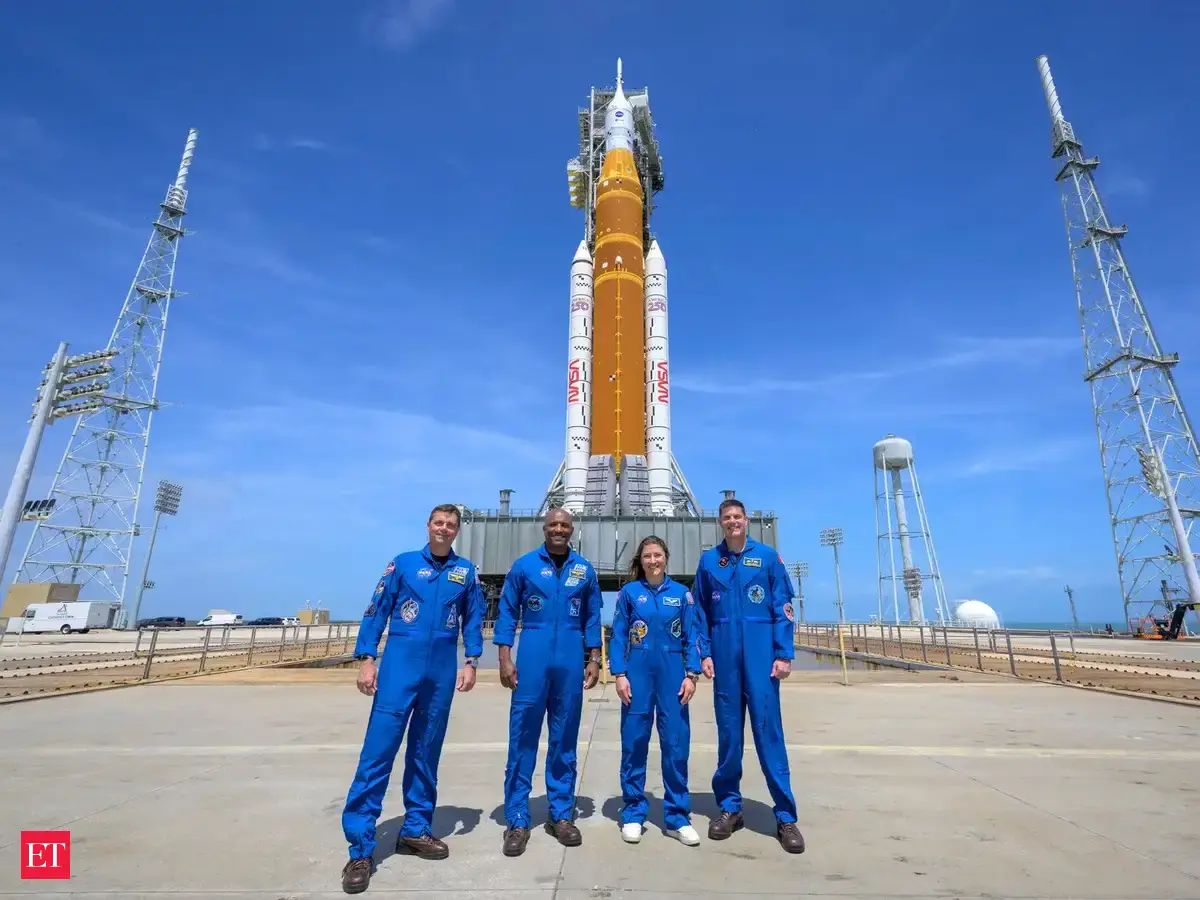
NASA's Artemis II mission launched on Thursday, sending four astronauts—Reid Wiseman, Victor Glover, Christina Koch, and Jeremy Hansen—towards the moon, marking the first crewed lunar flyby since 1972. The Orion spacecraft's engine burn, lasting just under six minutes, initiated a 10-day mission that will see the crew travel over 250,000 miles (402,336 km) from Earth. This mission is significant not only for its historic nature but also as the inaugural crewed flight of the Space Launch System (SLS), NASA's new lunar rocket. The astronauts are on a 'free-return' trajectory, utilizing the moon's gravity to slingshot back to Earth, ensuring safety in case of emergencies. They are equipped with survival suits to maintain oxygen and pressure for up to six days if necessary. The Artemis program aims to establish a permanent lunar base and has faced scrutiny regarding its timeline and reliance on private sector technology, especially in light of competition from China's lunar plans. NASA Administrator Jared Isaacman emphasized the importance of competition in mobilizing national resources for space exploration.
Advertisement
In-Article Ad
The Artemis II mission represents a significant step in human space exploration, potentially leading to advancements in technology and international collaboration in space.
Advertisement
In-Article Ad
Reader Poll
What do you think about the future of lunar exploration?
Connecting to poll...
More about NASA
Read the original article
Visit the source for the complete story.