



New Fossil Discoveries Reveal Complex Animal Life Before the Cambrian Explosion
New fossil deposits show complex animal groups predating the Cambrian
 Ars Technica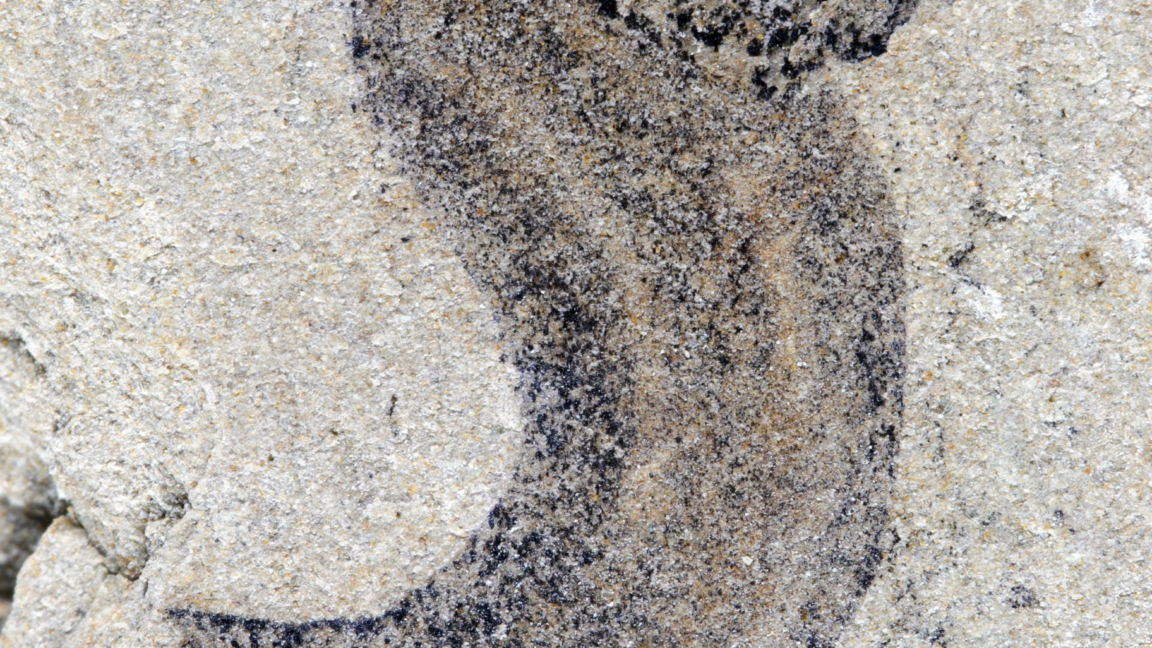
Image: Ars Technica
Recent fossil discoveries near Fuxian Lake in Yunnan, China, suggest that complex animal groups existed just before the Cambrian period. This finding, which includes over 700 species from the newly identified Jiangchuan Biota, indicates a gradual transition into the Cambrian rather than a sudden explosion of life.
- 01Fossils found near Fuxian Lake, Yunnan, China, suggest pre-Cambrian complex animal life.
- 02The newly identified Jiangchuan Biota includes over 700 species.
- 03Fossils date to about 7 million years before the Cambrian period.
- 04The findings indicate a gradual shift into the Cambrian rather than a sudden emergence.
- 05The fossils are rich in detail, preserving structures like internal organs.
Advertisement
In-Article Ad
Fossils discovered near Fuxian Lake in Yunnan, China, provide new insights into the origins of animal life, indicating that complex groups existed just before the Cambrian period. These fossils, part of the Jiangchuan Biota, include over 700 species and date back approximately 7 million years before the Cambrian explosion. The fossils are primarily small impressions rich in carbon, preserving intricate details, including what appear to be internal organs. This discovery suggests a gradual transition to the Cambrian rather than a sudden diversification of life forms, challenging previous assumptions about the timeline of animal evolution. The site, previously known for its abundant algae, is located within the Dengying Formation, which contains deposits from the Ediacaran period (635 to 540 million years ago).
Advertisement
In-Article Ad
Advertisement
In-Article Ad
Reader Poll
Do you believe that new fossil discoveries can change our understanding of animal evolution?
Connecting to poll...
Read the original article
Visit the source for the complete story.