


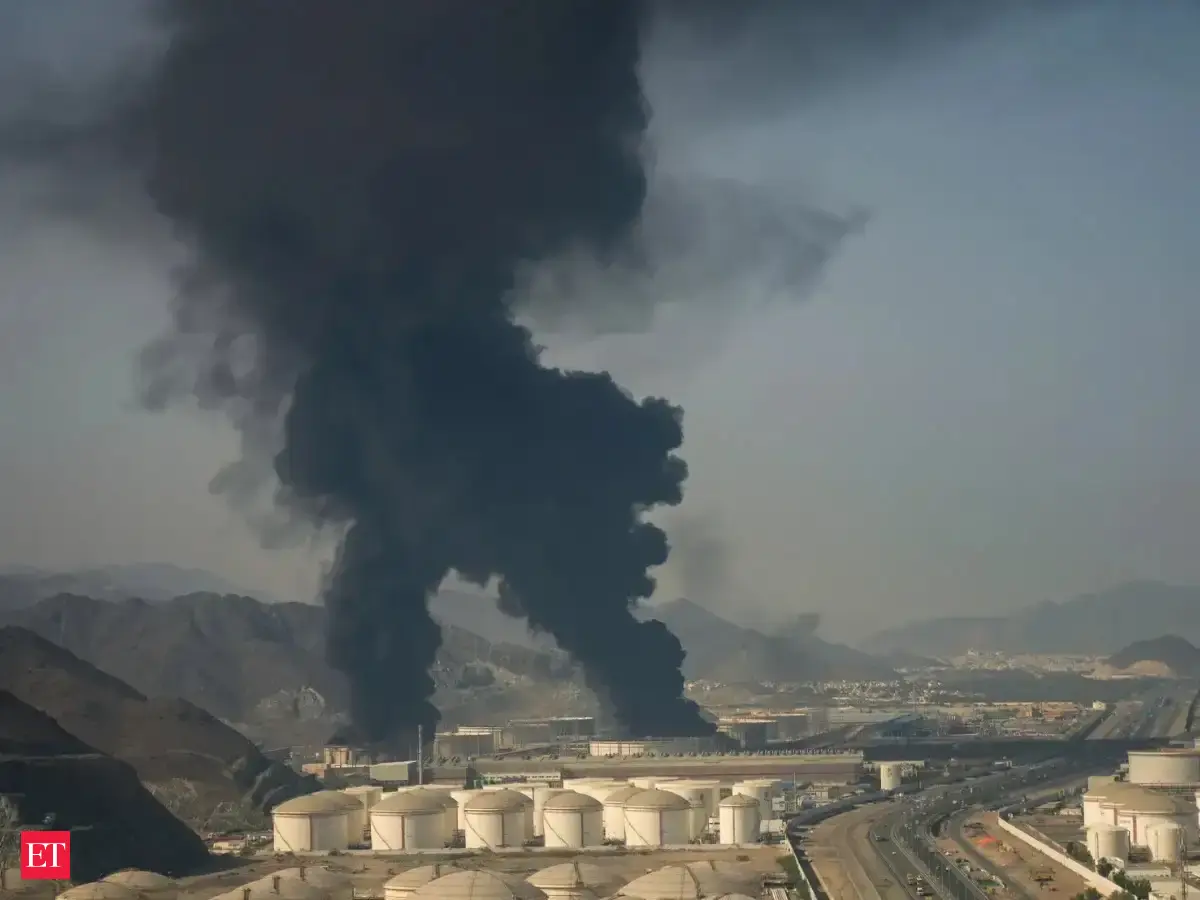

Iran Conflict Strains Global Economy as IMF Meeting Commences
Iran war hurting global economy as IMF meeting begins; oil falls on peace hopes – business live
 The Guardian
Image: The Guardian
The ongoing conflict in Iran is adversely impacting the global economy, as highlighted during the International Monetary Fund (IMF) and World Bank's spring meeting in Washington, D.C. Leaders warned of significant economic scars and disruptions, particularly affecting low-income countries and energy importers, with oil prices fluctuating amid hopes for peace negotiations.
- 01The IMF warns that the economic scars from the Iran conflict could take over a decade to heal.
- 02Oil prices have dropped below $100 per barrel, currently at $98.35, amid hopes for a resolution.
- 03The conflict disproportionately affects low-income countries, leading to increased prices for oil, gas, and fertilizers.
- 04The U.S. blockade of the Strait of Hormuz is expected to further complicate global supply chains.
- 05Chancellor Rachel Reeves emphasizes the need for coordinated global economic action to address the crisis.
Advertisement
In-Article Ad
As the International Monetary Fund (IMF) and World Bank convene in Washington, D.C., the ongoing conflict in Iran casts a shadow over the global economy. The IMF has indicated that the economic scars from this war could take more than a decade to recover from, particularly impacting low-income countries and energy importers. The heads of the IMF, World Bank, and International Energy Agency (IEA) have noted that the conflict has led to increased prices for oil, gas, and fertilizers, raising concerns about food security and job losses. Currently, Brent crude oil prices are trading below $100 per barrel, at $98.35, as investors remain hopeful for a peaceful resolution. The U.S. blockade of the Strait of Hormuz, which began recently, is expected to exacerbate supply chain issues, making it difficult for global supplies of key commodities to return to pre-conflict levels. UK Chancellor Rachel Reeves has called for coordinated economic action to address the instability caused by the Iran crisis, emphasizing the burden placed on families and businesses worldwide.
Advertisement
In-Article Ad
The conflict is causing rising prices for essential commodities, which could lead to increased living costs for families and businesses worldwide.
Advertisement
In-Article Ad
Reader Poll
How should the international community respond to the Iran conflict?
Connecting to poll...
More about International Monetary Fund
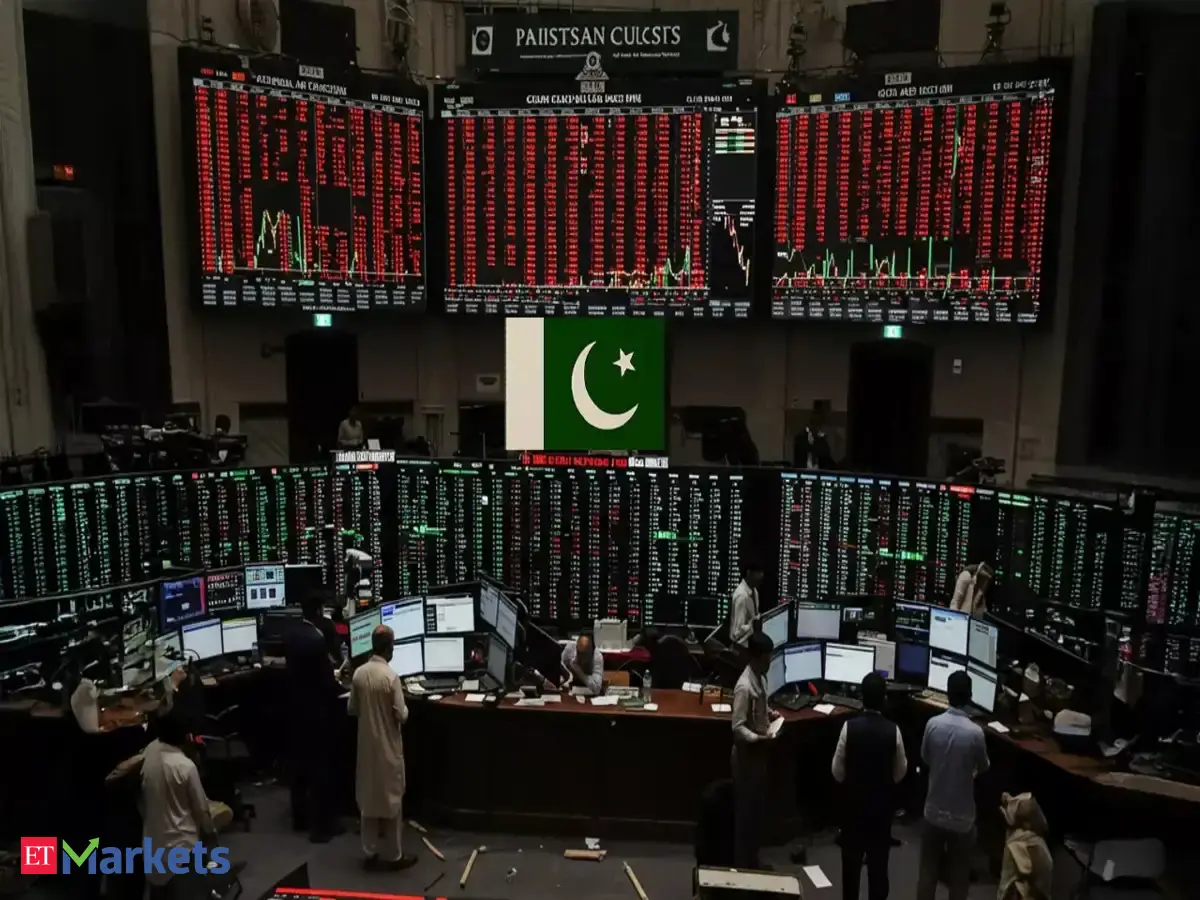
Pakistan's KSE-100 Index Surges Amid Hopes for US-Iran Peace Talks
economictimes_indiatimes • Apr 14, 2026
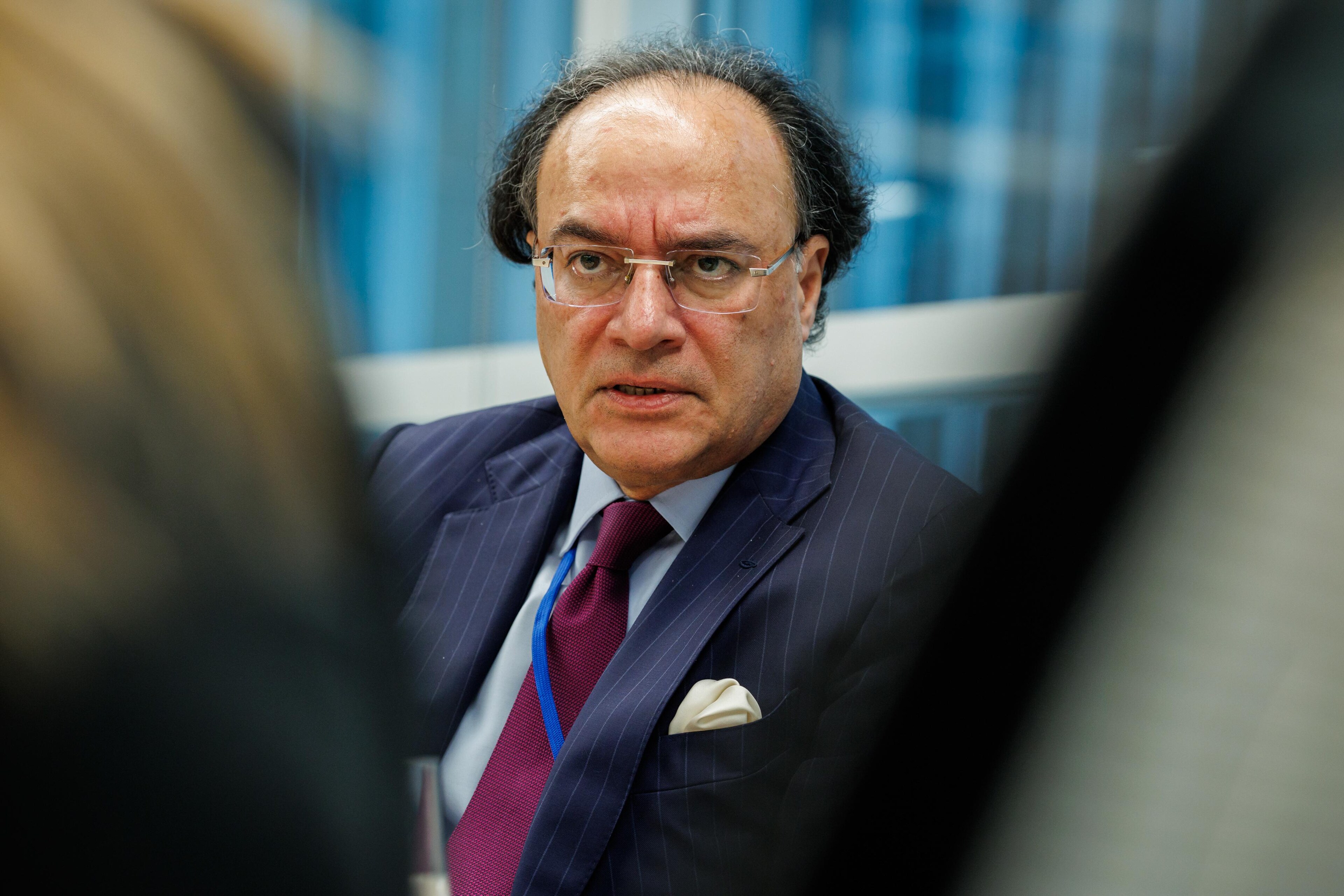
Pakistan Explores Diverse Financing Options Amid Economic Pressure
Business Standard • Apr 14, 2026
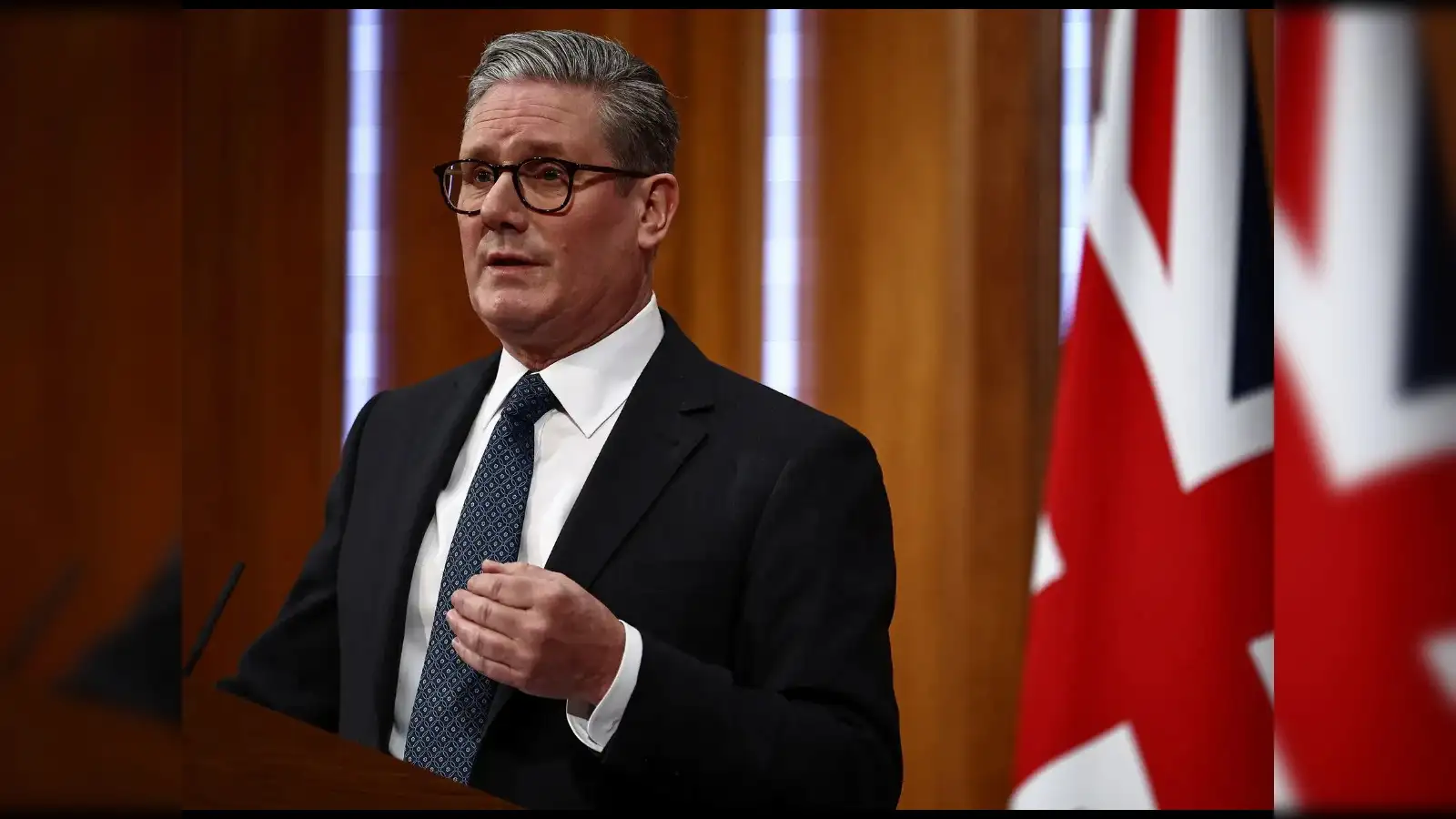
UK PM Starmer Rejects Support for US Blockade of Strait of Hormuz
The Economic Times • Apr 13, 2026
Read the original article
Visit the source for the complete story.