





IEA Revises Oil Market Outlook Amid Iran Conflict, Predicts Demand and Supply Contraction
Iran war upends IEA's oil market outlook as global supply and demand to contract in 2026
 The Economic Times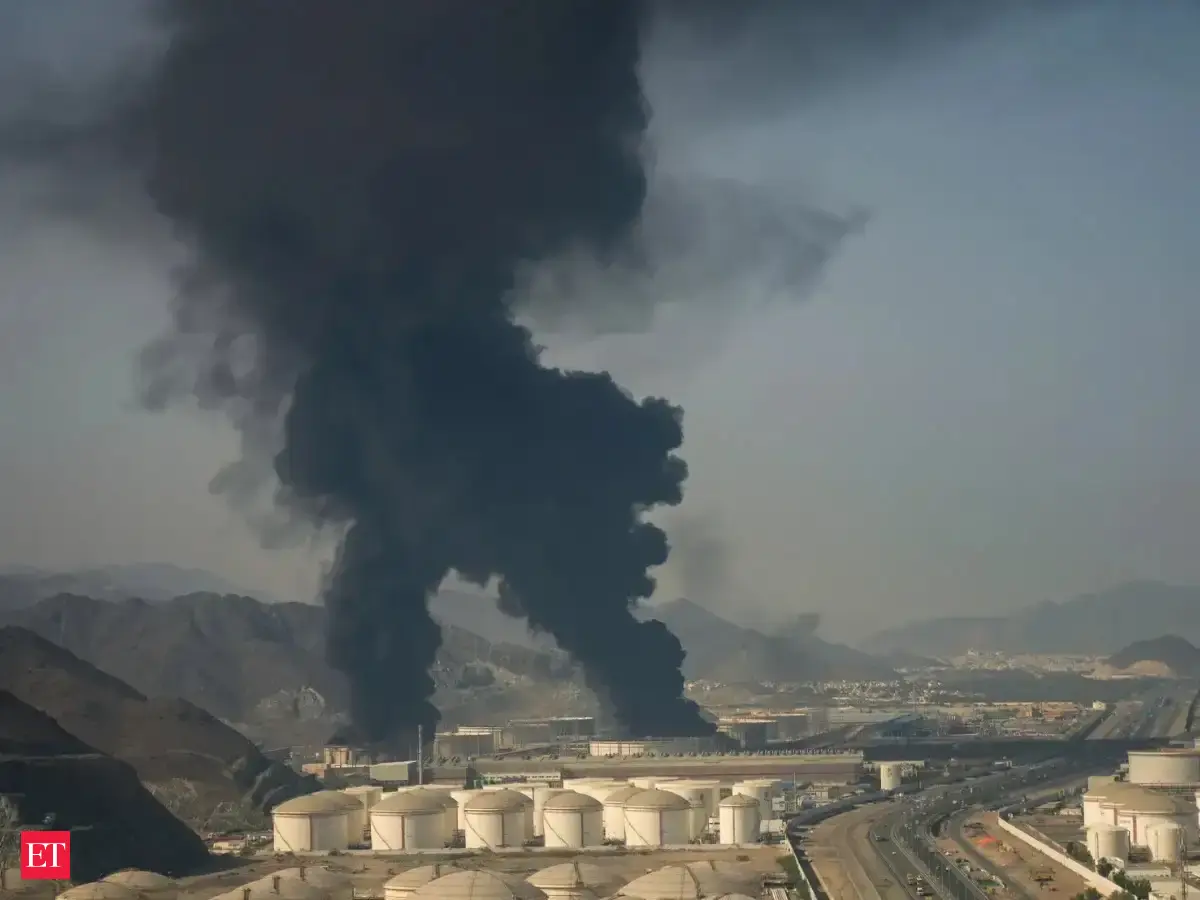
Image: The Economic Times
The International Energy Agency (IEA) has revised its oil market outlook, predicting a decline in global oil supply and demand due to the ongoing conflict in Iran. The agency forecasts an 80,000 bpd drop in demand growth this year and a 1.5 million bpd decrease in global output, marking significant disruptions in the oil market.
- 01The IEA predicts an 80,000 bpd drop in global oil demand growth for 2023.
- 02Global oil supply is expected to contract by 1.5 million bpd due to the Iran conflict.
- 03The second quarter of 2026 may see a 1.5 million bpd drop in demand, the largest since the COVID-19 pandemic.
- 04The Strait of Hormuz's reopening is crucial for stabilizing oil supply and prices.
- 05The IEA's forecasts indicate a shift from a 2.46 million bpd surplus to a 410,000 bpd surplus by 2026.
Advertisement
In-Article Ad
The International Energy Agency (IEA) has significantly revised its oil market outlook in light of the ongoing conflict in Iran, which it describes as the largest oil supply disruption in history. The IEA now anticipates an 80,000 barrels per day (bpd) decrease in demand growth for 2023, a stark contrast to its previous estimate of a 640,000 bpd increase. The agency also projects a 1.5 million bpd drop in global oil supply this year, as attacks on energy infrastructure and the effective closure of the Strait of Hormuz severely impact production and exports. This situation has resulted in a loss of 10.1 million bpd of supply in March alone. Looking ahead, the IEA forecasts a 1.5 million bpd reduction in demand in the second quarter of 2026, marking the most significant contraction since the COVID-19 pandemic. The reopening of the Strait of Hormuz is seen as critical to easing supply pressures, with the IEA's base case predicting a return to regular oil deliveries by mid-year, albeit below pre-conflict levels. However, the agency warns of a more severe scenario that could lead to long-term supply disruptions and a potential 5 million bpd drop in demand year-on-year from the second to the fourth quarter.
Advertisement
In-Article Ad
The decline in oil supply and demand could lead to increased prices and economic strain globally, affecting consumers and industries reliant on oil.
Advertisement
In-Article Ad
Reader Poll
How do you think the Iran conflict will impact global oil prices?
Connecting to poll...
More about International Energy Agency
Read the original article
Visit the source for the complete story.