


U.S. Vice President JD Vance Reports Failed Ceasefire Talks with Iran in Islamabad
'Gave Iran Final And Best Offer, Returning Without A Deal': Vance's Full Statement On Failed Talks
 News 18
Image: News 18
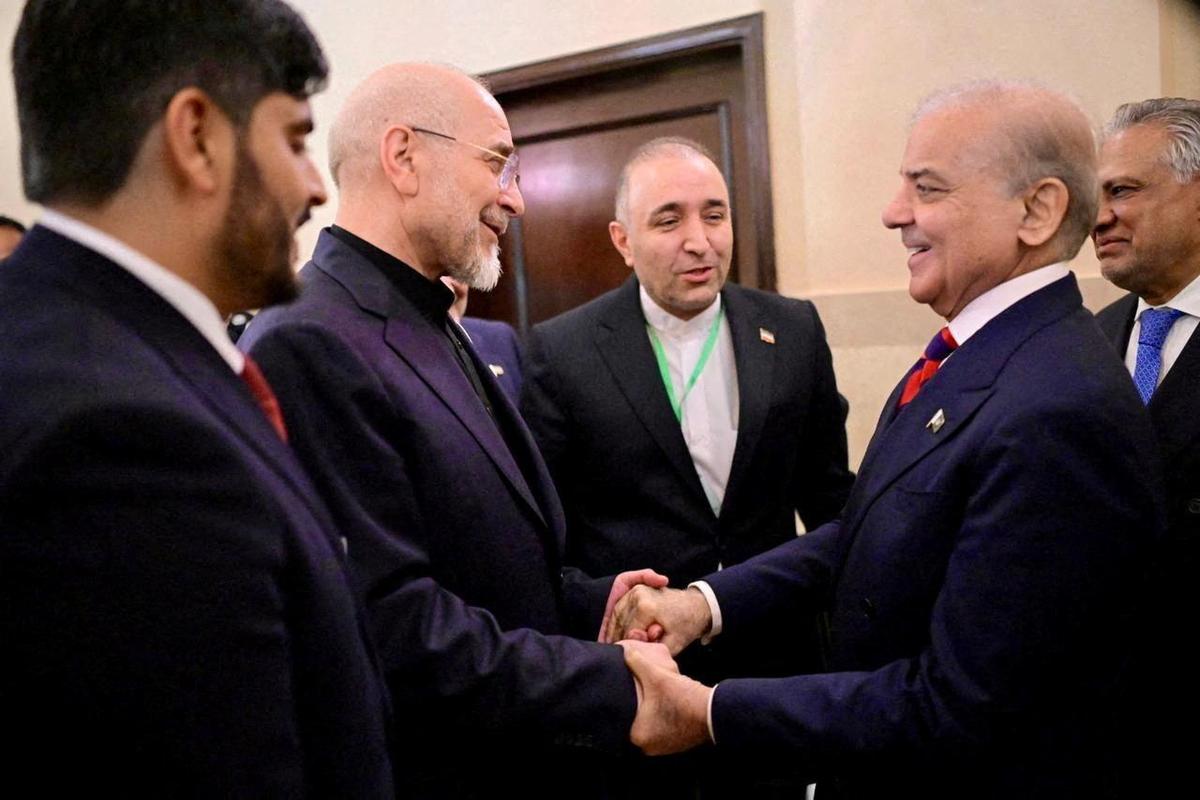
U.S. Vice President JD Vance announced that negotiations with Iran in Islamabad, Pakistan, ended without an agreement to cease hostilities in West Asia. The talks, mediated by Pakistan, focused on Iran's nuclear commitments and aimed to reopen the Strait of Hormuz. Vance emphasized that Iran did not accept the U.S.'s final offer.
- 01U.S. and Iran failed to reach a ceasefire agreement after 21 hours of talks.
- 02Negotiations were mediated by Pakistan and aimed at ending a six-week conflict.
- 03Vance stated that Iran must show commitment to not pursue nuclear weapons.
- 04The U.S. delegation was flexible but could not find common ground.
- 05Vance described the offer made to Iran as the U.S.'s 'final and best offer.'
Advertisement
In-Article Ad
U.S. Vice President JD Vance announced on Sunday that negotiations between the United States and Iran in Islamabad, Pakistan, did not result in a ceasefire agreement, despite 21 hours of discussions. The talks, facilitated by the Pakistani government, aimed to address the ongoing six-week conflict in West Asia and to reopen the strategic Strait of Hormuz. Vance expressed gratitude to Pakistan for its role in mediating the discussions, highlighting their efforts to bridge the gap between the two nations. However, he noted that the Iranian delegation chose not to accept the conditions proposed by the U.S., which included a commitment from Iran to refrain from pursuing nuclear weapons. Vance described the U.S. approach as flexible and made it clear that the offer presented was the final and best one from the U.S. side. He reiterated the importance of Iran demonstrating a long-term commitment to not developing nuclear capabilities, which remains a core goal for the U.S. administration.
Advertisement
In-Article Ad
The failure to reach an agreement could prolong the conflict in West Asia, affecting regional stability and international shipping through the Strait of Hormuz.
Advertisement
In-Article Ad
Reader Poll
Do you think the U.S. should continue negotiations with Iran regarding nuclear weapons?
Connecting to poll...
More about U.S. government
Read the original article
Visit the source for the complete story.