



The Gulf Fertiliser Blockade: A Looming Global Food Security Crisis
‘Food security timebomb’: a visual guide to the Gulf fertiliser blockade
 The Guardian
Image: The Guardian
The blockade in the Strait of Hormuz is causing a severe disruption in the global fertiliser market, essential for food production. With 60% price increases in Egyptian urea and potential shortages looming, experts warn that the ongoing conflict could trigger a massive hunger crisis worldwide.
- 01The Strait of Hormuz is crucial for global fertiliser trade, with one-third of raw materials passing through.
- 02Egyptian urea prices have surged by over 60%, reaching $780 per tonne.
- 03A prolonged blockade could severely impact food production, especially in vulnerable countries.
- 04India and its neighbors heavily rely on Gulf fertilisers, risking food security as planting seasons approach.
- 05The current situation mirrors past crises, including the fertiliser price spikes following Russia's invasion of Ukraine.
Advertisement
In-Article Ad
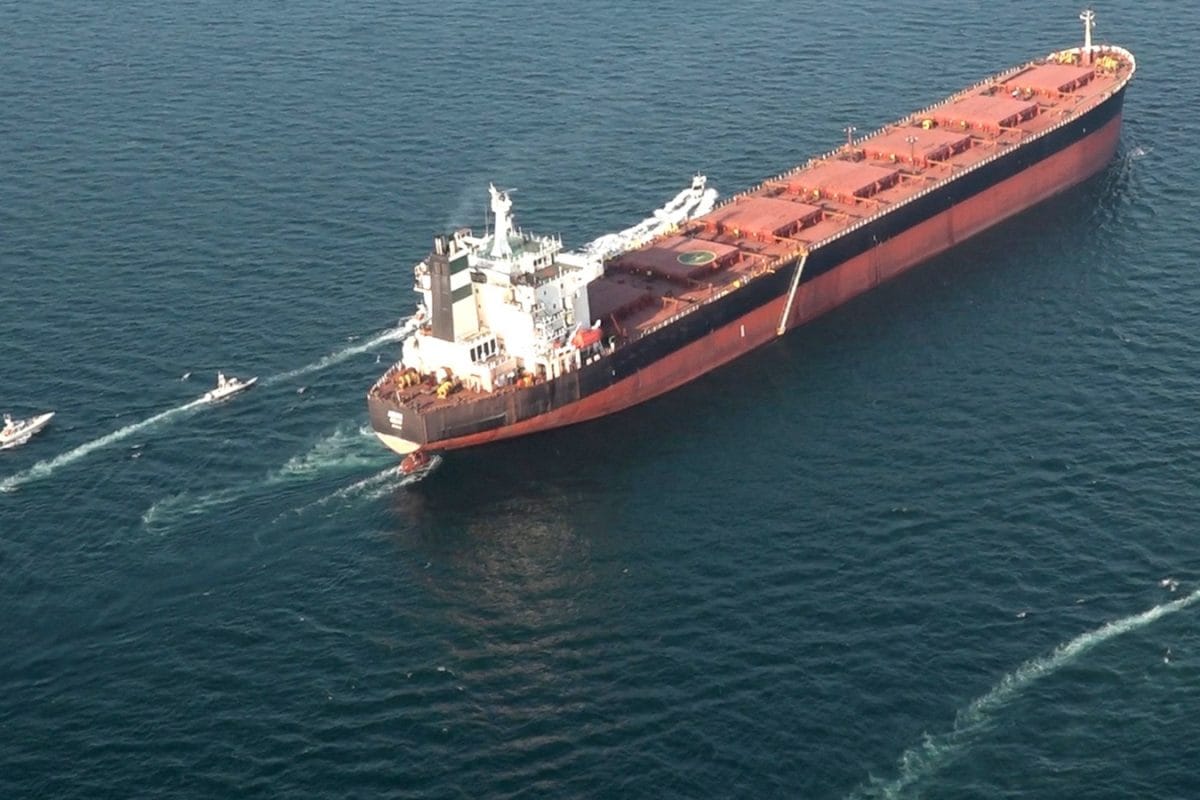
The Strait of Hormuz, vital for global energy and fertiliser trade, is currently under a near-total shipping blockade, raising alarms about a potential global food security crisis. David Miliband, head of the International Rescue Committee, described the situation as a “food security timebomb.” Fertiliser is critical, with 45% of global trade in sulphur, a key raw material, originating from the region. The blockade has led to a significant drop in the transport of fertilisers, with 16 million tonnes shipped in 2024, and major producers like the Qatar Fertiliser Company (QAFCO) offline due to conflict-related disruptions. Prices have already spiked, with Egyptian urea increasing by 60% to $780 per tonne, reminiscent of previous crises linked to geopolitical tensions. Countries heavily dependent on these imports, such as India, face dire consequences as planting seasons approach, risking reduced food production and increased prices. The situation is compounded by the fact that many of the world's poorest nations are most vulnerable to these price hikes, highlighting the urgent need for resolution to the conflict and restoration of trade routes.
Advertisement
In-Article Ad
The blockade threatens food security globally, particularly in countries reliant on Gulf fertilisers, potentially leading to higher food prices and reduced agricultural output.
Advertisement
In-Article Ad
Reader Poll
How concerned are you about the impact of the fertiliser blockade on global food security?
Connecting to poll...
Read the original article
Visit the source for the complete story.