


Study Reveals Ancient Native American Gambling Practices Preceded Other Cultures
Native Americans had dice and games of probability long before other cultures, study finds
 Nbc News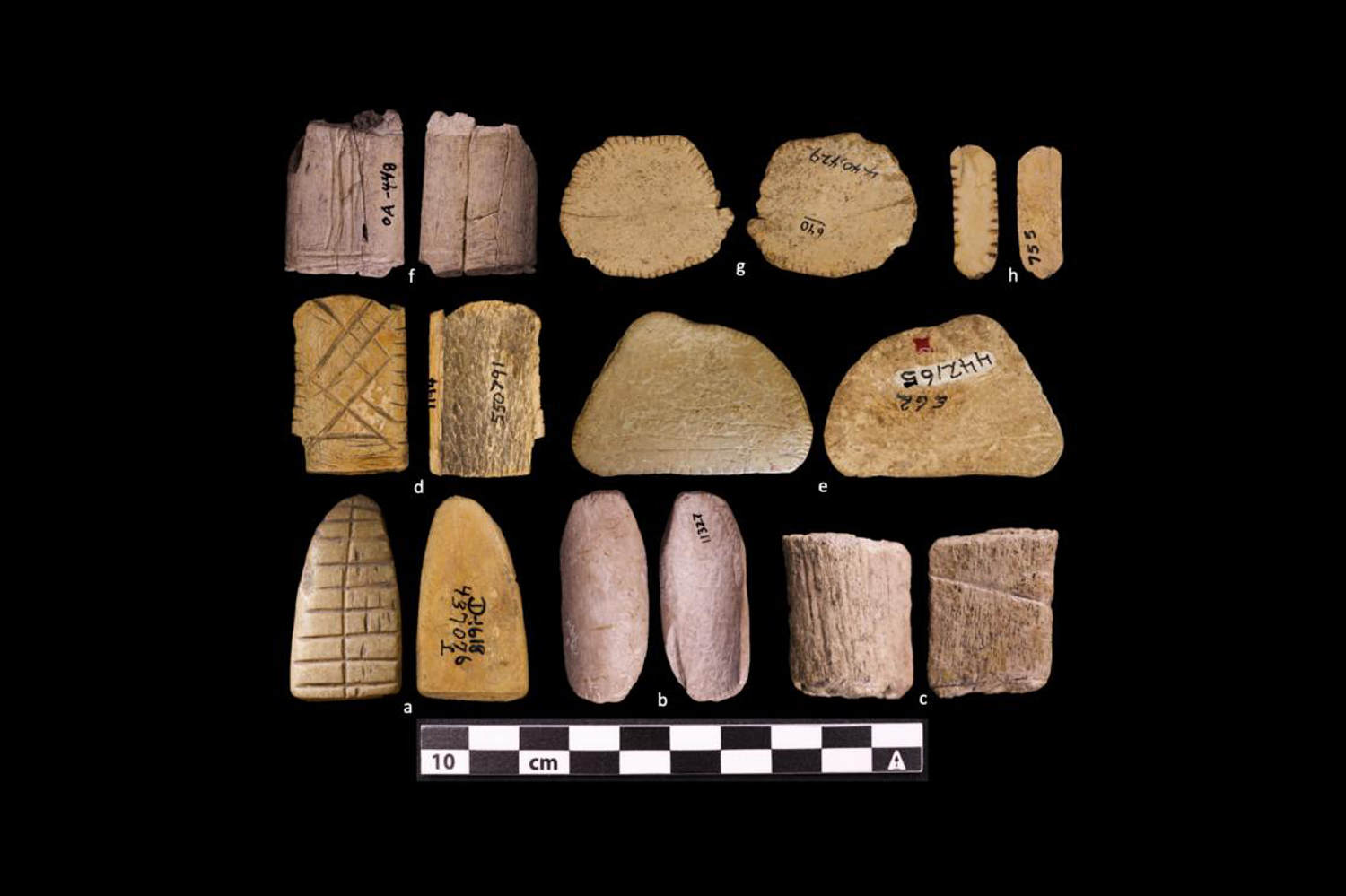
Image: Nbc News
A recent study published in the journal American Antiquity reveals that Native Americans engaged in dice games and probability-based activities as far back as 12,000 years ago, predating similar practices in Europe, Africa, and Asia by thousands of years. This finding highlights the advanced intellectual concepts of chance and randomness developed in the Southwestern United States.
- 01Native Americans had dice games 12,000 years ago, earlier than other cultures.
- 02The study challenges previous timelines that dated such practices to only 2,000 years ago.
- 03Dice were primarily two-sided, made from bone or wood, and used for social and trade interactions.
- 04Native American oral histories frequently reference gambling, often depicting it as a social event.
- 05The findings underscore the intellectual achievements of Native American cultures, often overlooked in historical narratives.
Advertisement
In-Article Ad
A groundbreaking study published in the journal American Antiquity has uncovered evidence that Native Americans were engaging in dice games and probability-based activities 12,000 years ago, significantly earlier than previously thought. This research, conducted by Robert Madden, a former lawyer turned archaeologist, suggests that the concepts of chance and randomness were first developed in the present-day Southwestern United States, rather than in ancient Mesopotamia or other regions. Previous studies only recognized the existence of such games around 2,000 years ago, but Madden's analysis of archaeological reports indicates a continuous use of dice from the end of the last Ice Age to modern times.
The dice, typically two-sided and crafted from bone or wood, were not only tools for gambling but also served as social mechanisms for trade and communication among tribes. Oral histories from Native American cultures frequently reference gambling, often portraying it as a communal activity that could also lead to excess. The findings challenge long-held views that have marginalized Native American intellectual contributions, emphasizing their early understanding of complex mathematical concepts such as probability. Madden's work highlights the need to reevaluate the historical narrative surrounding Native American cultures and their sophisticated engagement with games of chance.
Advertisement
In-Article Ad
This research may lead to a greater appreciation of Native American contributions to mathematics and social practices, influencing how their history is taught and understood.
Advertisement
In-Article Ad
Reader Poll
How should Native American contributions to history be integrated into education?
Connecting to poll...
Read the original article
Visit the source for the complete story.