




Exploring Carl Jung's Active Imagination Method for Personal Transformation
What was Carl Jung's method to make all wishes come true? Decoding active imagination and how people practice it in daily life
 The Economic Times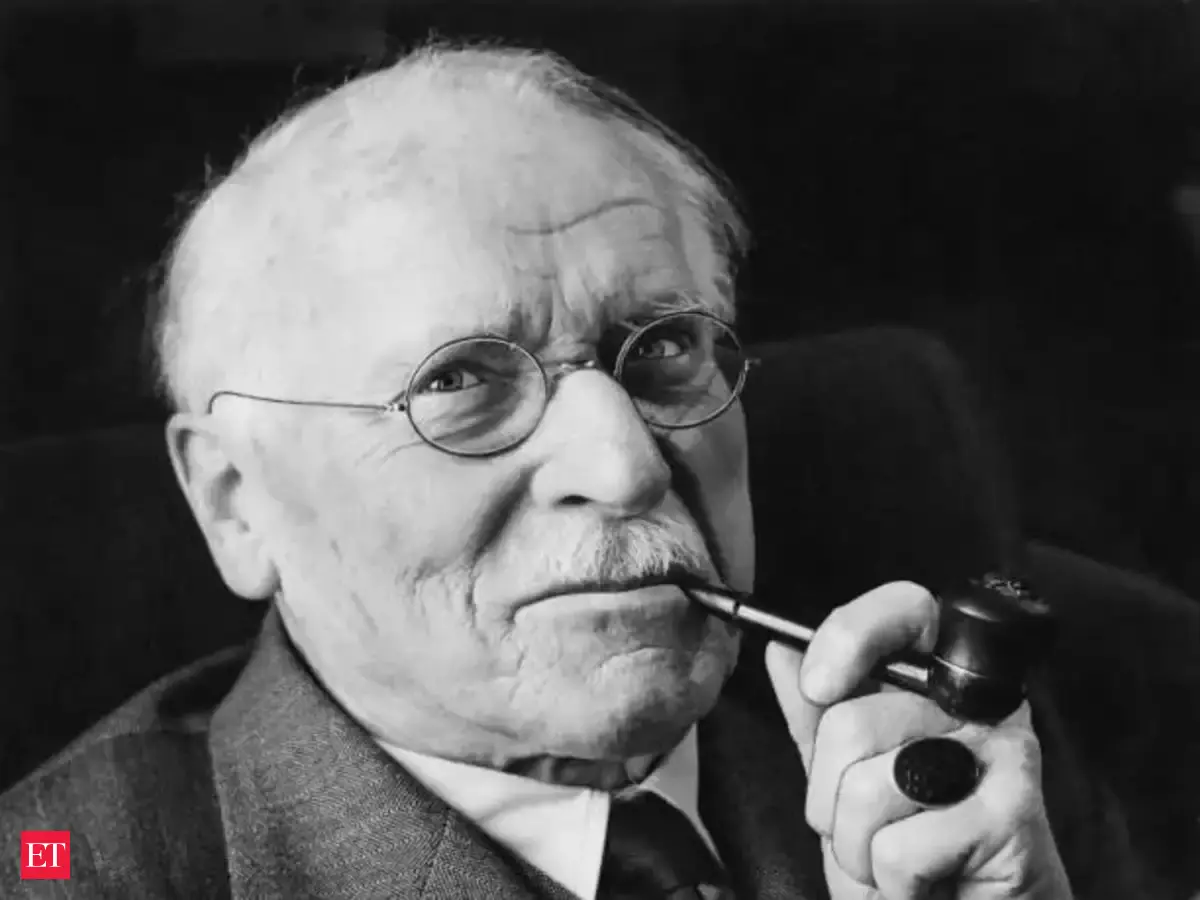
Image: The Economic Times
Carl Jung's active imagination method is a psychological technique aimed at aligning the conscious and unconscious mind for self-discovery. This meditative practice encourages individuals to engage with their inner imagery and emotions, fostering personal growth and meaningful coincidences, often interpreted as a form of manifestation.
- 01The active imagination method bridges the conscious and unconscious mind for self-discovery.
- 02It involves visualizing goals, engaging emotions, and journaling to align thoughts and actions.
- 03Jung emphasized the importance of psychological wholeness over material success.
- 04The method encourages creative expression to allow the unconscious to communicate.
- 05Modern neuroscience supports Jung's ideas about the brain's response to imagined experiences.
Advertisement
In-Article Ad
Carl Jung, the Swiss psychiatrist, developed the active imagination method between 1913 and 1916 as a way to bridge the gap between the conscious and unconscious mind. This technique encourages individuals to engage with their inner images, dreams, and fantasies actively, rather than passively daydreaming. Jung believed that aligning conscious intentions with unconscious beliefs could lead to personal transformation and meaningful coincidences, a concept he termed synchronicity.
The method involves a structured routine that includes morning visualizations, emotional engagement, journaling, 'as if' behavior, and creative expression. Jung's ultimate goal was not material success but achieving psychological wholeness through a process known as individuation, which requires recognizing and integrating hidden aspects of one's personality.
Despite its benefits, Jung cautioned that practitioners should approach this method carefully, as deep engagement with the unconscious can be overwhelming. In today's fast-paced world, the active imagination method offers a more introspective alternative to quick-fix self-help trends, resonating with modern neuroscience that supports the brain's response to vividly imagined experiences.
Advertisement
In-Article Ad
Advertisement
In-Article Ad
Reader Poll
Do you believe in the power of visualization for achieving goals?
Connecting to poll...
Read the original article
Visit the source for the complete story.