






Legal Disputes Over the Strait of Hormuz: A U.S.-Iran Perspective
Strait of Hormuz: Why the US and Iran are sailing in very different legal waters
 theconversation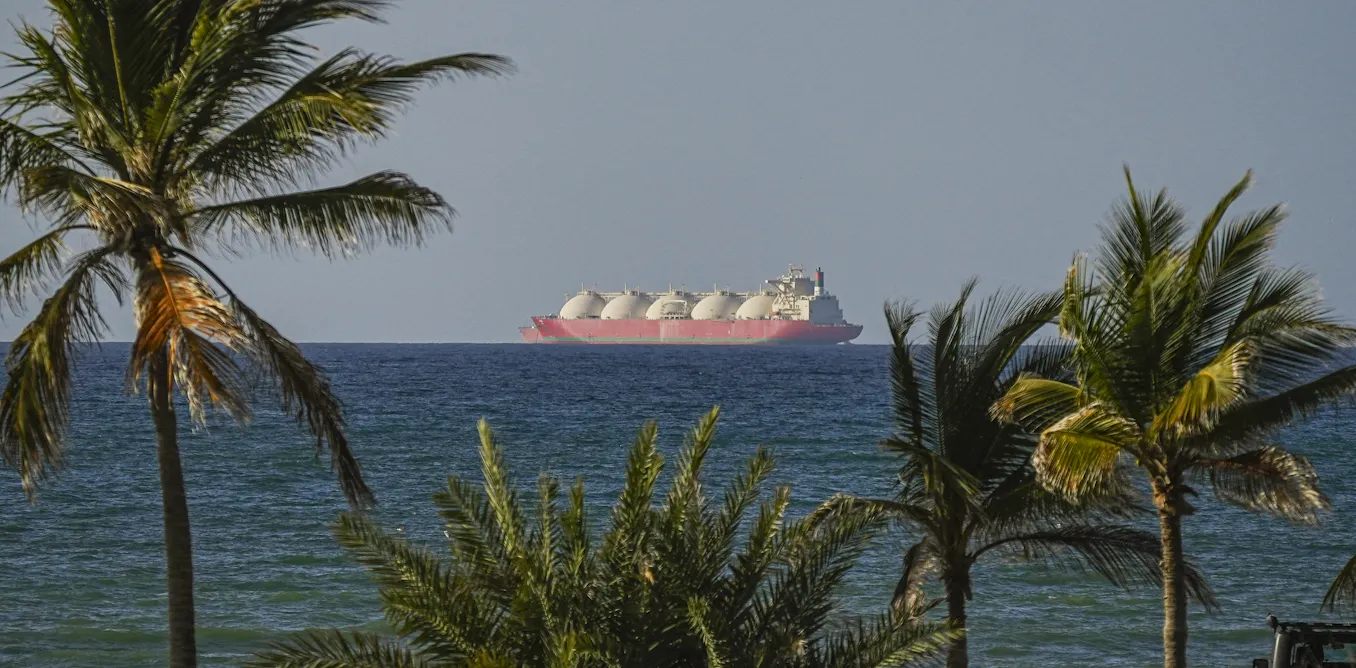
Image: theconversation
The Strait of Hormuz, a crucial maritime route for global oil transport, is viewed differently by the U.S. and Iran. The U.S. sees it as an international strait requiring free passage, while Iran claims it as part of its territorial waters, complicating legal and military interactions in the region.
- 01The Strait of Hormuz is vital for global oil transport, with 20% of the world's oil passing through it.
- 02The U.S. views the strait as an international waterway requiring free navigation, while Iran sees it as part of its territorial waters.
- 03Both nations have not ratified the United Nations Convention on the Law of the Sea (UNCLOS), complicating legal interpretations.
- 04Iran claims the right to suspend passage through the strait, contradicting international agreements.
- 05The disagreement highlights the need for a shared commitment to international maritime laws to ensure stability.
Advertisement
In-Article Ad
The Strait of Hormuz, a narrow passage critical for global oil transport, is at the center of a legal dispute between the United States and Iran. The U.S. considers it an international strait that guarantees free navigation, while Iran regards it as part of its territorial waters, allowing it to impose restrictions. This disagreement is complicated by both nations' non-ratification of the United Nations Convention on the Law of the Sea (UNCLOS), which sets the framework for maritime laws. Iran bases its claims on older international rulings that support its right to enforce rules over passage, yet it contradicts the 1958 Territorial Seas Convention by asserting the right to suspend passage. The U.S. argues for the concept of 'transit passage' as defined by UNCLOS, which would limit Iran's control over the strait. The ongoing tensions underscore the necessity for an agreement on maritime laws to prevent conflict and ensure trade stability in the region.
Advertisement
In-Article Ad
The legal and military tensions in the Strait of Hormuz could disrupt global oil supplies, affecting prices and availability for consumers worldwide.
Advertisement
In-Article Ad
Reader Poll
How should the international community address the legal disputes over the Strait of Hormuz?
Connecting to poll...
More about United Nations
Read the original article
Visit the source for the complete story.