


Comparing Project Hail Mary: Key Differences Between the Novel and Film Adaptation
Project Hail Mary book vs film: What Ryan Gosling’s adaptation left out
 The Indian Express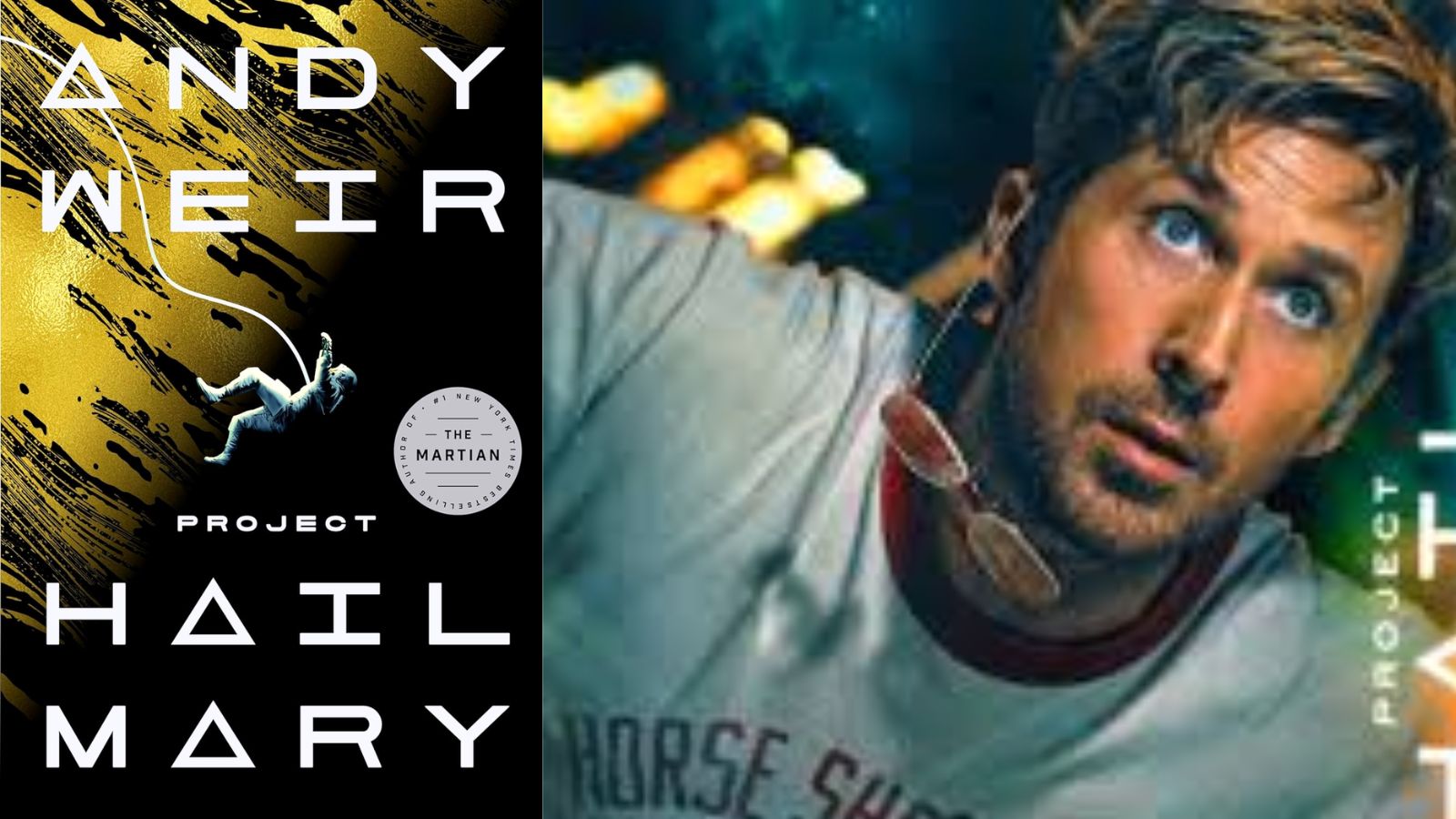
Image: The Indian Express
The film adaptation of Andy Weir's 'Project Hail Mary,' starring Ryan Gosling, simplifies complex themes and characterizations from the original novel. Notably, the character Eva Stratt is portrayed as more sympathetic in the film, contrasting sharply with her morally ambiguous depiction in the book, which explores the heavy burdens of leadership in dire circumstances.
- 01The film softens the character of Eva Stratt, portrayed by Sandra Hüller, compared to her complex portrayal in the novel.
- 02Stratt's coercive tactics in the book are more severe, involving physical detention of Dr. Ryland Grace, unlike the film's gentler approach.
- 03The novel emphasizes the scientific collaboration between Grace and the alien Rocky, which is abbreviated in the film.
- 04A significant scene involving a nuclear strike on Antarctica is omitted from the film, highlighting moral complexities absent in the adaptation.
- 05The endings of the book and film diverge significantly, with the novel presenting a more burdensome conclusion for Grace.
Advertisement
In-Article Ad
Andy Weir's 2021 sci-fi novel, 'Project Hail Mary,' presents a gripping tale of survival and moral ambiguity as Dr. Ryland Grace, a middle-school teacher, is conscripted to save humanity from an existential threat. The film adaptation, featuring Ryan Gosling, retains the core plot but simplifies key themes and character complexities. Notably, the character of Eva Stratt, head of the Petrova Taskforce, is portrayed as more relatable and softer in the film, contrasting with her ruthless and morally ambiguous nature in the book. In the novel, Stratt employs extreme measures, including physically detaining Grace, to ensure his participation in the mission, while the film opts for a more sympathetic portrayal. The adaptation also abbreviates the scientific collaboration between Grace and the alien Rocky, losing the depth of their relationship. A crucial scene involving a nuclear strike on Antarctica, which raises significant moral questions, is omitted from the film. The novel concludes with Grace in a reflective state, while the film ends on a lighter note, leaving audiences unburdened. This adaptation highlights the challenges of translating complex narratives into cinematic form.
Advertisement
In-Article Ad
Advertisement
In-Article Ad
Reader Poll
Which version of Project Hail Mary do you prefer?
Connecting to poll...
Read the original article
Visit the source for the complete story.