
Artemis 2 Astronauts Set New Distance Record from Earth During Lunar Flyby
The Artemis 2 Astronauts Are Now Farther From Earth Than Any Have Gone Before
 Gizmodo
Image: Gizmodo
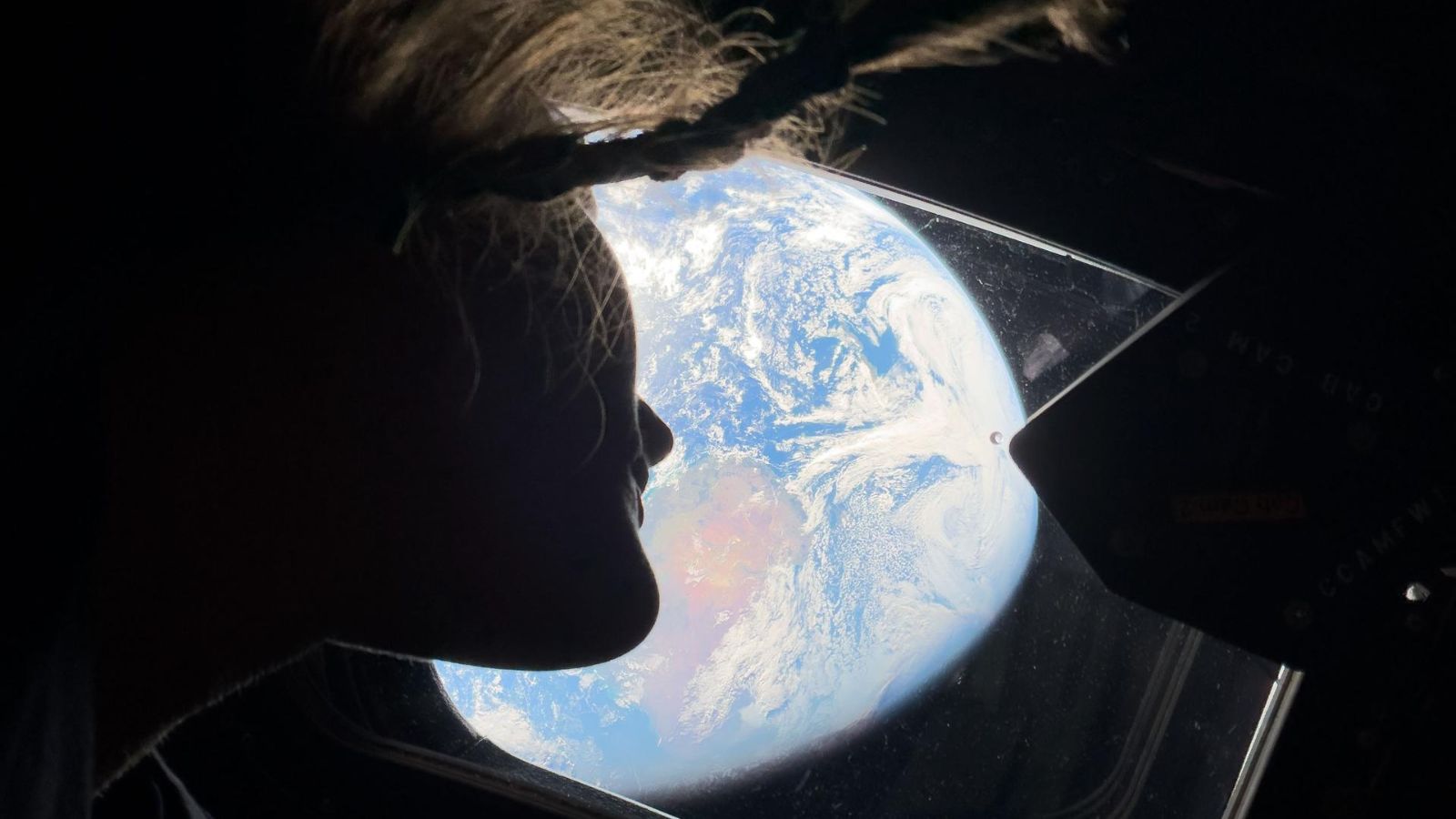
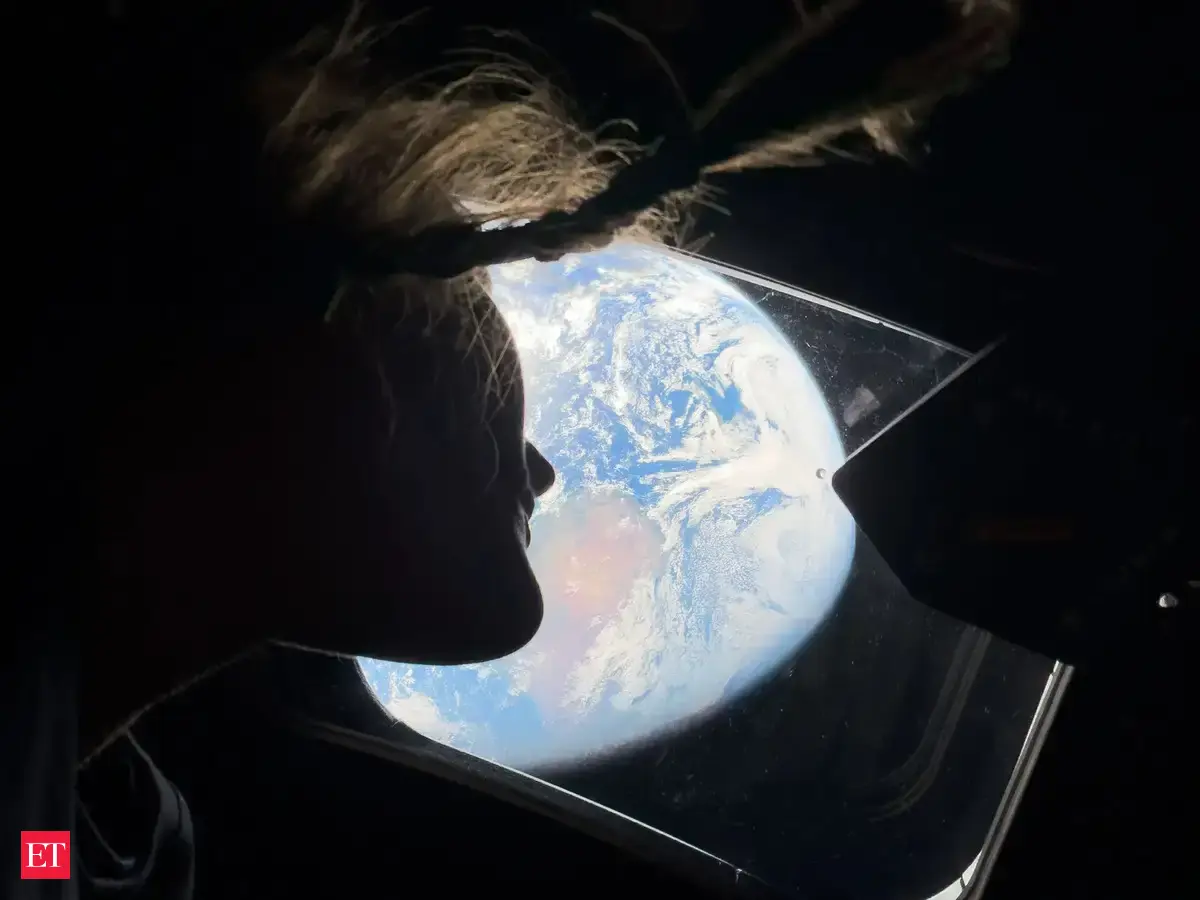
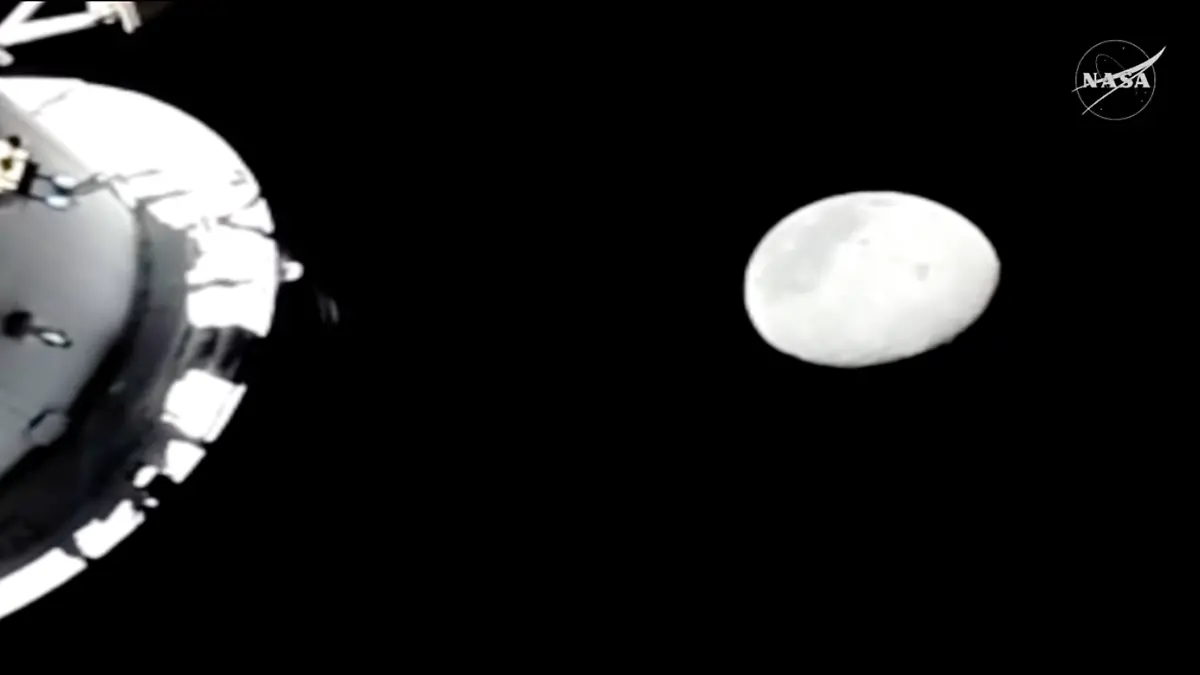
NASA's Artemis 2 crew, consisting of Reid Wiseman, Victor Glover, Christina Koch, and Jeremy Hansen, has broken the record for the farthest distance humans have traveled from Earth, reaching 252,760 miles (406,778 kilometers). The mission aims to gather crucial lunar data to prepare for a future landing in 2028.
- 01Artemis 2 crew reached a record distance of 252,760 miles from Earth.
- 02The mission is designed to gather scientific data for future lunar explorations.
- 03Astronauts will observe 30 target features on the Moon's far side.
- 04The flight path mirrors Apollo 13's trajectory but is part of a planned mission.
- 05NASA is live-streaming the lunar flyby for public viewing.
Advertisement
In-Article Ad
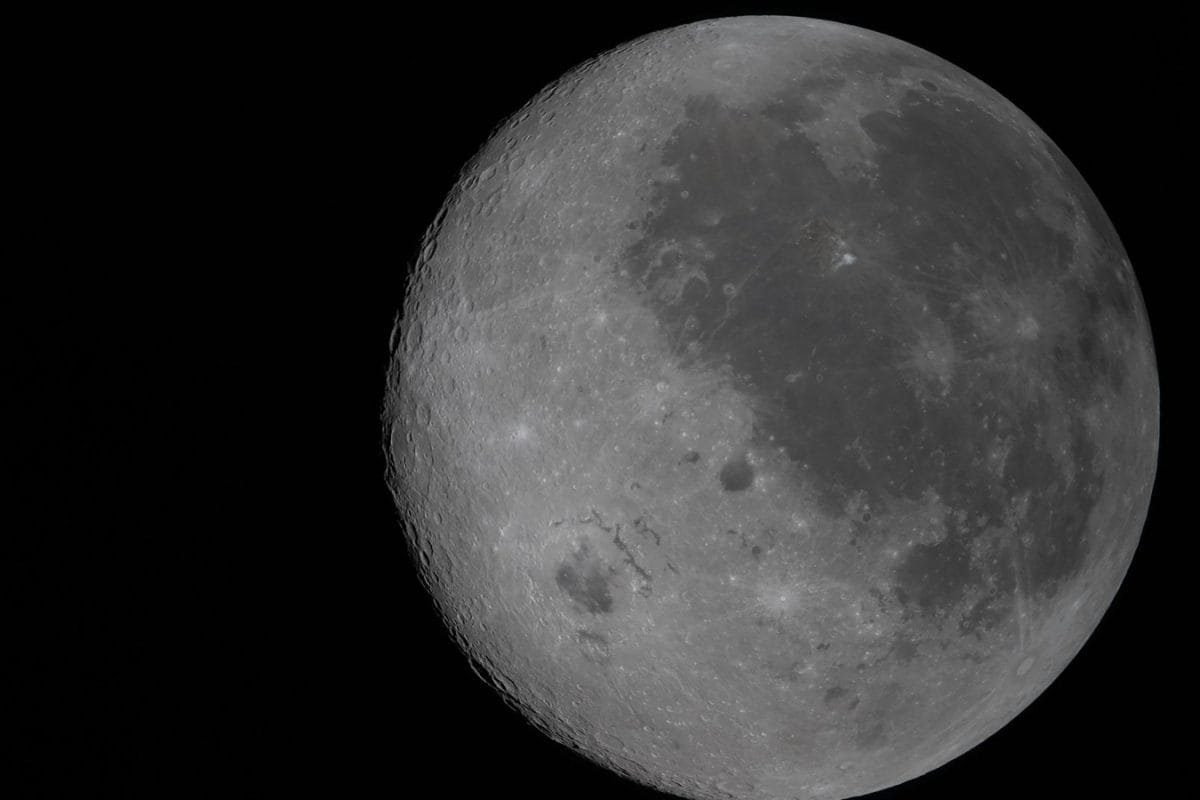
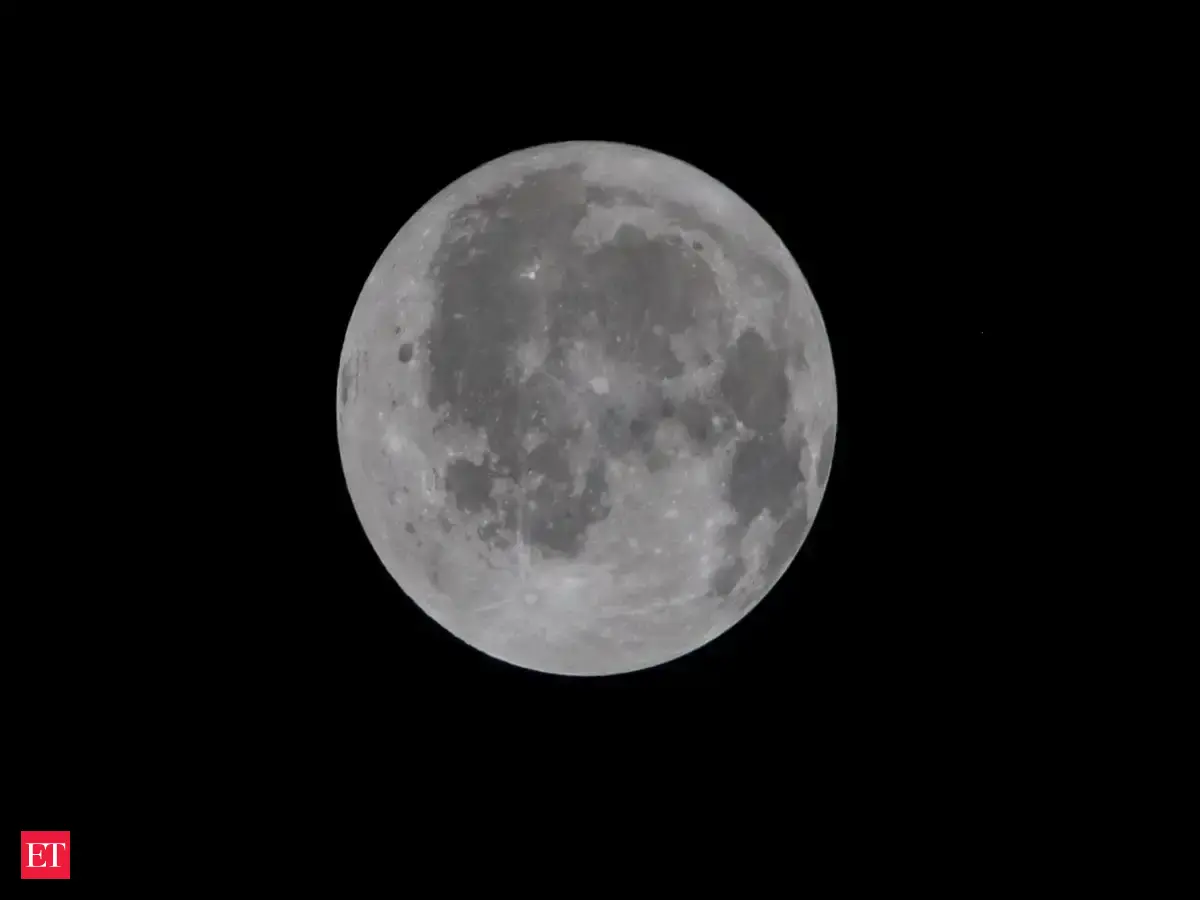
At approximately 1:57 p.m. ET, NASA's Artemis 2 crew, comprising Reid Wiseman, Victor Glover, Christina Koch, and Jeremy Hansen, achieved a historic milestone by breaking the record for the farthest distance from Earth, reaching 252,760 miles (406,778 kilometers). This surpasses the previous record set by Apollo 13 in 1970 by 4,105 miles (6,606 kilometers). The Orion spacecraft is expected to approach the Moon closely at around 7:02 p.m., coming within 4,070 miles (6,550 kilometers) of the lunar surface. The Artemis 2 mission is significant not only for its record-breaking distance but also for its scientific objectives, as the crew will observe and photograph the Moon's far side, including the Orientale basin, which has never been directly seen by humans before. This lunar observation period will last approximately seven hours, allowing the astronauts to gather important data that will aid in preparations for a planned lunar landing in 2028. NASA is live-streaming the mission, providing the public with real-time updates and insights into the crew's activities.
Advertisement
In-Article Ad
The Artemis 2 mission enhances our understanding of the Moon, which could lead to advancements in lunar exploration and technology that benefit space research and international collaborations.
Advertisement
In-Article Ad
Reader Poll
Do you support increased funding for lunar exploration missions?
Connecting to poll...
More about NASA
Read the original article
Visit the source for the complete story.