


Centre Defends Sabarimala Women's Entry Ban in Supreme Court
"Entry Of Women Would Alter Nature Of Worship": Centre In Sabarimala Case
 Ndtv
Ndtv
Image: Ndtv
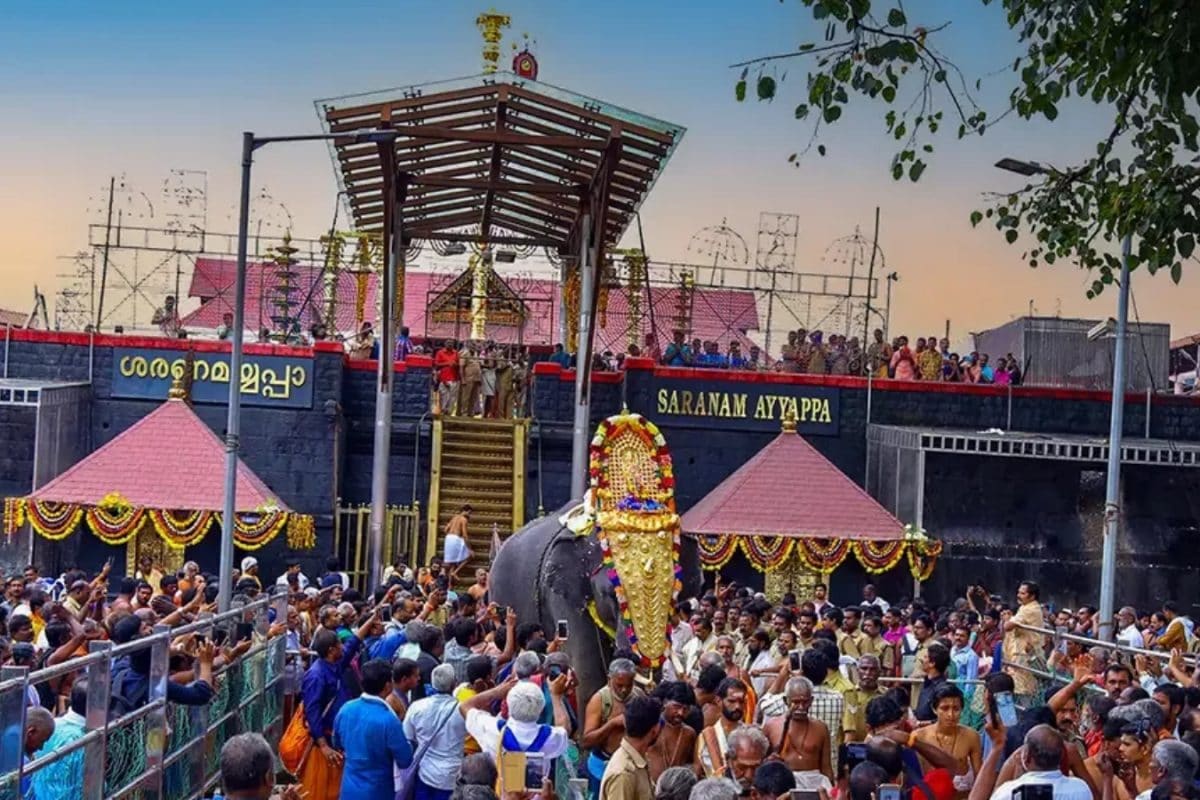
The Indian government argued before the Supreme Court that allowing women of menstruating age into the Sabarimala temple would disrupt established religious practices and beliefs. The Centre maintains that the ban is rooted in the nature of the deity, Lord Ayyappa, and should be upheld as a matter of religious autonomy.
- 01The Centre argues that the ban on women entering Sabarimala is based on religious beliefs, not gender discrimination.
- 02Solicitor General Tushar Mehta emphasized that allowing women's entry would alter the nature of worship.
- 03The government insists that the issue is beyond judicial review and falls under religious autonomy.
- 04The Centre cautioned against using modern rationality to judge religious practices.
- 05The Supreme Court is set to hear review petitions against its 2018 judgment allowing women's entry.
Advertisement
In-Article Ad
The Indian government presented its case to the Supreme Court regarding the longstanding ban on women of menstruating age entering the Sabarimala temple in Kerala. Solicitor General Tushar Mehta argued that the restriction is rooted in the religious nature of Lord Ayyappa, who is considered a celibate deity, rather than any notion of impurity or inferiority. The Centre contended that permitting women's entry would fundamentally alter the worship practices established over centuries, undermining the religious pluralism enshrined in the Constitution. The government urged the court to respect the autonomy of religious beliefs and warned against applying modern standards of rationality to evaluate these practices. The Supreme Court is preparing to hear review petitions challenging its 2018 ruling that permitted women of all ages to enter the temple, marking a significant moment in the ongoing debate over gender and religion in India.
Advertisement
In-Article Ad
The outcome of this case could significantly affect women's access to religious sites in India and the broader discourse on gender equality in religious practices.
Advertisement
In-Article Ad
Reader Poll
Should religious practices be subject to judicial review in matters of gender equality?
Connecting to poll...
Read the original article
Visit the source for the complete story.