




Global Impact of the Iran War: Rising Oil Prices, Food Crisis, and Job Losses
Iran War Fallout: 5 Global Shocks Driving Oil Prices, Food Crisis, And Job Losses Worldwide
 News 18
Image: News 18
The ongoing war involving Iran, Israel, and the US is causing significant disruptions in global trade, energy supply, and labor markets. Analysts predict that the conflict could lead to oil prices exceeding $100 per barrel and push millions into food insecurity, with long-term economic repercussions comparable to the COVID-19 pandemic.
- 01The conflict has triggered a significant energy shock, with oil prices projected to rise sharply.
- 02Global inflation could increase by up to 0.9 percentage points if tensions persist.
- 03The war is disrupting critical supply chains, particularly in agriculture and food production.
- 04Job losses are expected to reach millions across the Arab states region due to the conflict.
- 05The geopolitical landscape is shifting towards a more fragmented and multipolar order.
Advertisement
In-Article Ad
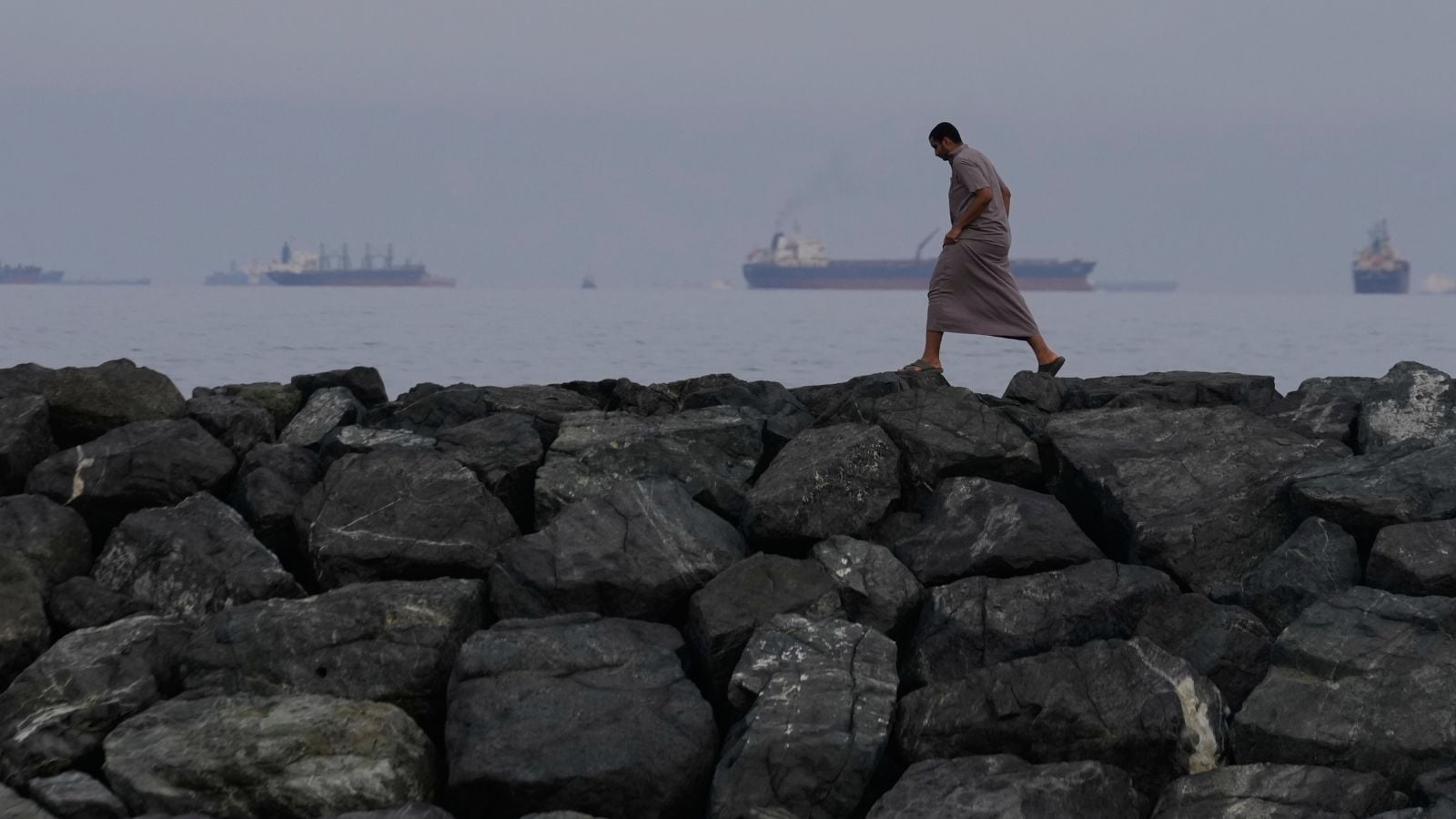
The ongoing conflict in Iran, involving Israel and the US, is reshaping the global economic landscape with profound implications. Energy supply disruptions, particularly in the Strait of Hormuz, are causing oil prices to surge, with projections suggesting they could exceed $100 per barrel if constraints continue. This energy crisis is expected to contribute to global inflation rising by 200 to 300 basis points, particularly affecting developing economies where inflation could reach 6.7% in a worst-case scenario. The conflict is also straining agricultural supply chains, as disruptions in fertilizer production threaten food security for millions, with the World Food Programme warning that an additional 45 million people could face acute food insecurity by mid-2026. Furthermore, labor markets are under pressure, with estimates of 2.5 to 3.5 million jobs potentially lost across the Arab states due to the economic fallout. As the geopolitical landscape evolves, the conflict is accelerating a shift towards a more fragmented global order, raising questions about the future of international alliances and trade routes.
Advertisement
In-Article Ad
The conflict's impact on oil prices and supply chains is likely to increase costs for consumers and businesses globally, particularly in energy-importing countries. Food prices may rise, affecting low-income households.
Advertisement
In-Article Ad
Reader Poll
What should be the priority for governments in response to the Iran conflict?
Connecting to poll...
More about International Labour Organization
Read the original article
Visit the source for the complete story.