




Shipping Firms Seek Reassurances Amid Tensions in the Strait of Hormuz
What reassurances do shipping firms need to attempt to navigate Hormuz Strait?
 The Indian Express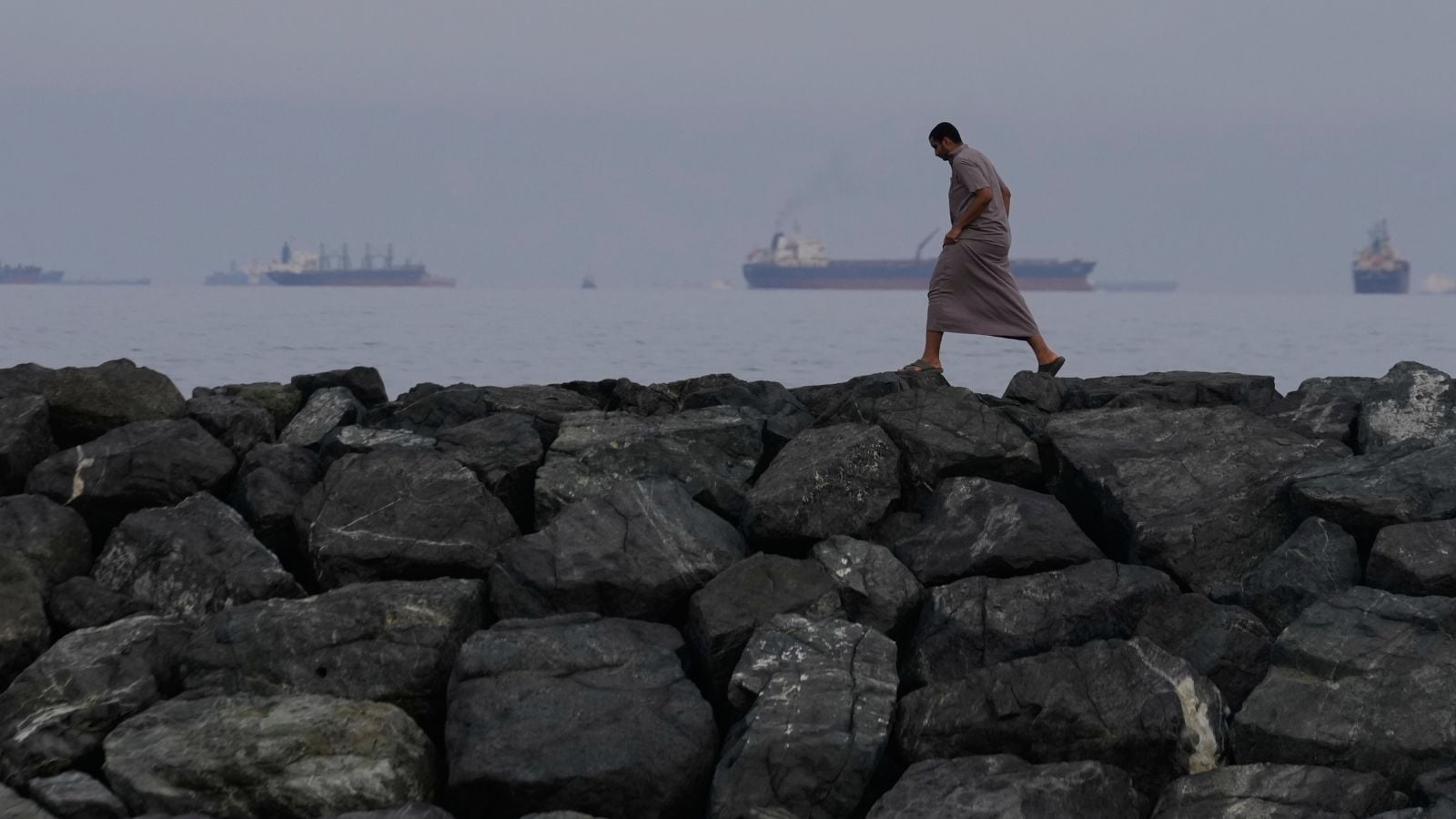
Image: The Indian Express
Shipping through the Strait of Hormuz remains low due to heightened risks following failed US-Iran negotiations. Maritime security expert Jennifer Parker emphasizes the need for US naval presence and clear assurances of safety to restore confidence among shipping firms before they resume transit through this critical oil route.
- 01Shipping traffic in the Strait of Hormuz has drastically reduced from 130 daily transits to a few amid rising tensions.
- 02Maritime security expert Jennifer Parker highlights the need for US naval presence and safety assurances to encourage shipping.
- 03Political statements alone are insufficient; operators require tangible security measures before resuming transit.
- 04The breakdown of US-Iran talks has intensified the geopolitical risks affecting shipping routes.
- 05Brent crude oil prices could rise to $110–$130 per barrel with further escalation in the region.
Advertisement
In-Article Ad
The Strait of Hormuz, a vital passage for global oil shipments, is facing significant disruptions due to escalating tensions between the United States and Iran. Maritime security expert Jennifer Parker indicates that shipping firms are deterred from using the strait not because it is closed, but due to high risks stemming from recent Iranian threats and attacks on merchant vessels. Parker emphasizes that a US naval presence and clear assurances regarding safety, including mine clearance, are essential to restore confidence among shipping operators. Despite US President Donald Trump's claims that the strait is open, political assurances have proven inadequate, leading to a drastic drop in shipping traffic from approximately 130 daily transits to just a handful. The collapse of recent negotiations between Washington and Tehran, which aimed to secure a ceasefire, has further complicated the situation, with both sides blaming each other for the failure. As tensions rise, Brent crude prices are projected to spike towards $110–$130 per barrel if the situation escalates further. Parker suggests a two-step approach to restoring shipping traffic: reducing threats and rebuilding confidence through international cooperation and visible naval deployments.
Advertisement
In-Article Ad
The ongoing tensions and reduced shipping traffic could lead to higher oil prices, affecting global markets and economies reliant on oil imports.
Advertisement
In-Article Ad
Reader Poll
What should be the priority for ensuring safe shipping through the Strait of Hormuz?
Connecting to poll...
Read the original article
Visit the source for the complete story.