




CBSE Introduces New Three-Language Framework for Secondary Education
CBSE’s new language rule: What R1, R2, R3 mean, what changes from class 6, and why students must now pass all 3
 The Economic Times
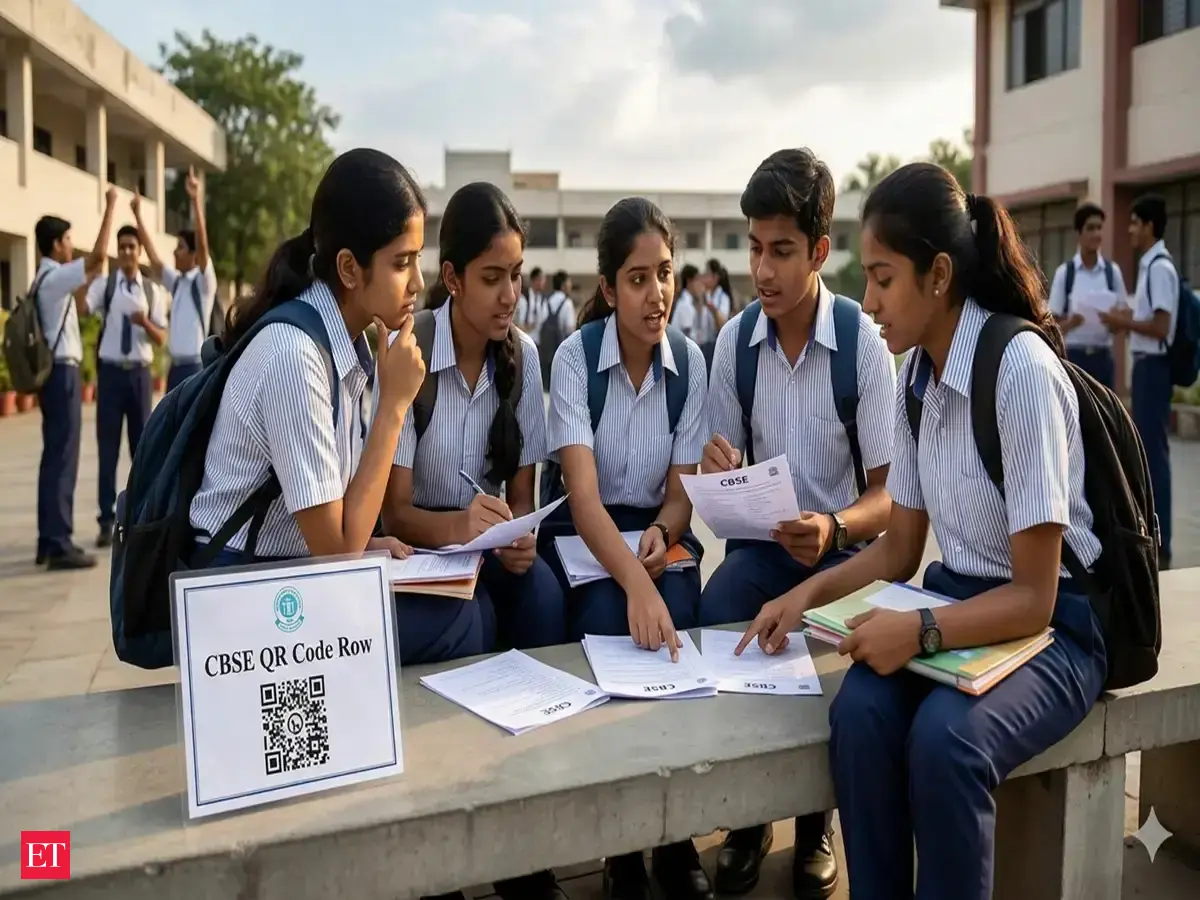
Image: The Economic Times
The Central Board of Secondary Education (CBSE) has implemented a new three-language framework for secondary education, effective from the 2026-27 academic session. Students must now learn and pass three distinct languages, including at least two Indian languages, starting from Class 6 to enhance multilingual education and cultural understanding.
- 01CBSE's new language policy aligns with the National Education Policy 2020.
- 02Students must learn three languages: R1 (First Language), R2 (Second Language), and R3 (Third Language).
- 03R3 becomes mandatory from Class 6 starting in the 2026-27 academic year.
- 04Students must pass all three languages to qualify for Class 10 board examinations.
- 05The implementation will be phased, with existing students needing to meet the requirements by 2029-30.
Advertisement
In-Article Ad
The Central Board of Secondary Education (CBSE) has introduced a revised three-language framework aimed at promoting multilingual education in line with the National Education Policy 2020 and the National Curriculum Framework for School Education (NCFSE) 2023. Under this new system, languages will be categorized into three levels: R1 (First Language), R2 (Second Language), and R3 (Third Language), with at least two of the languages being Indian. Starting from the 2026-27 academic session, students in Class 6 will be required to learn R3, ensuring they are exposed to three languages by the time they reach secondary classes. This policy mandates that students in Classes 9 and 10 must pass all three languages to be eligible for the Class 10 board examinations. The transition will be gradual, with existing students required to fulfill the three-language requirement before the 2029-30 academic year. Until new materials are developed, current textbooks will be used, but the syllabus and assessment criteria will differ. This initiative reflects India's commitment to fostering linguistic diversity and enhancing cognitive skills through multilingual education.
Advertisement
In-Article Ad
This new policy will affect students' language learning, requiring them to engage with multiple languages, thus enhancing their cognitive and communication skills.
Advertisement
In-Article Ad
Reader Poll
Do you support the new three-language policy introduced by CBSE?
Connecting to poll...
More about Central Board of Secondary Education
Read the original article
Visit the source for the complete story.