



Trump's Executive Order Imposes Potential 100% Tariff on Pharmaceuticals
Trump’s 100% ‘medicine tax’: The high-stakes ultimatum to big pharma
 The Indian Express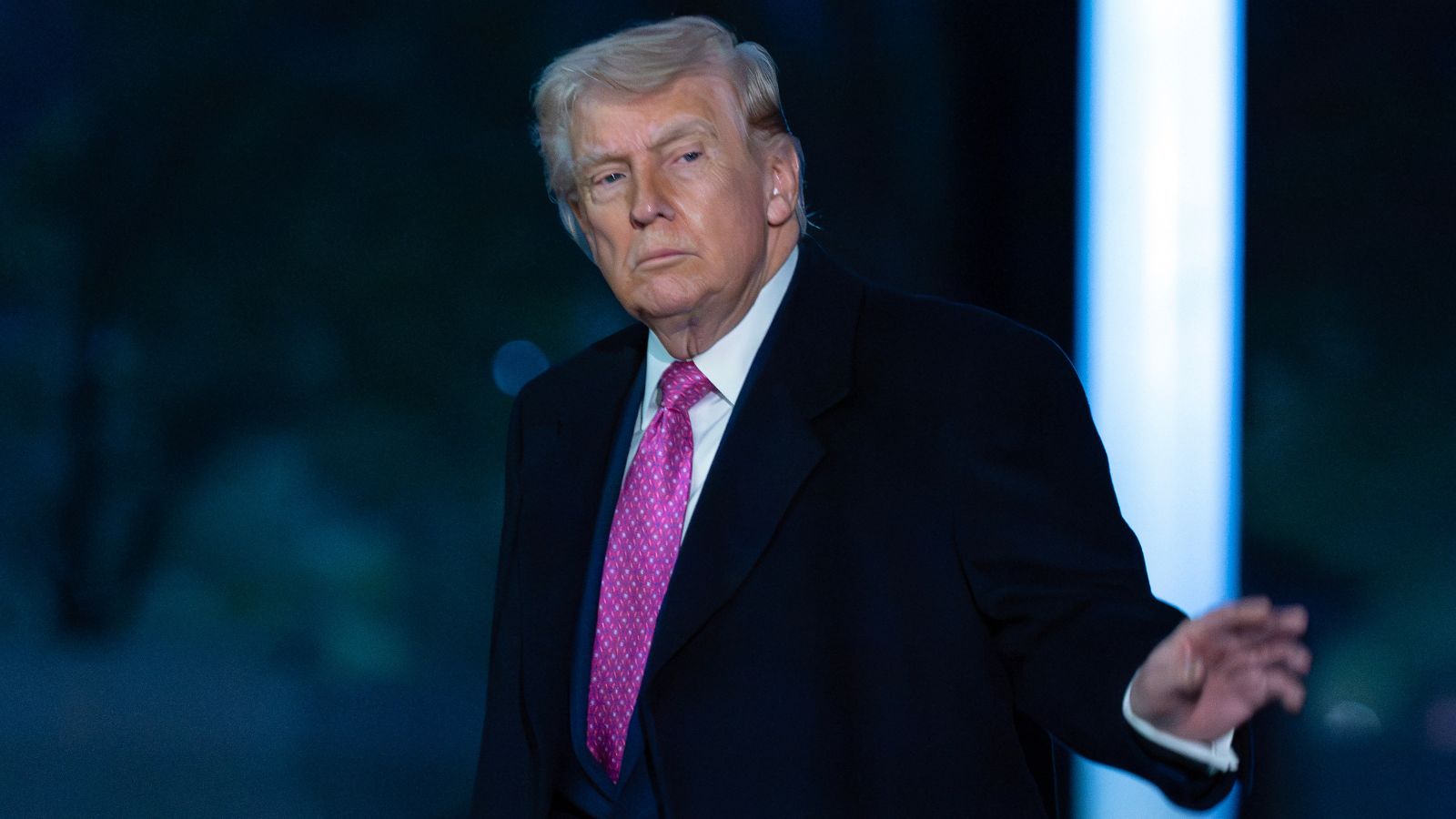
Image: The Indian Express
President Donald Trump signed an executive order imposing potential tariffs up to 100% on patented drugs from pharmaceutical companies that fail to negotiate pricing deals with the U.S. administration. Companies that comply will face lower tariffs, while those that do not could see significant increases, impacting the pharmaceutical industry and U.S. investments.
- 01Trump's executive order could impose tariffs up to 100% on certain patented drugs.
- 02Companies with 'most favored nation' pricing deals will face a 0% tariff.
- 03The order aims to address national security concerns regarding pharmaceutical imports.
- 04The pharmaceutical industry warns that these tariffs could raise costs and jeopardize investments.
- 05The order also updates tariffs on imported metals, reflecting a broader trend of sector-specific duties.
Advertisement
In-Article Ad
On Thursday, President Donald Trump signed an executive order that could impose tariffs of up to 100% on patented drugs from pharmaceutical companies that do not reach pricing agreements with the administration in the coming months. Companies that sign a 'most favored nation' pricing deal and establish production facilities in the U.S. will benefit from a 0% tariff, while those without such agreements but still building projects will face a 20% tariff that could escalate to 100% in four years. This move is framed as a response to national security threats posed by pharmaceutical imports. The order coincides with the anniversary of Trump's previous import taxes, which were largely overturned by the Supreme Court earlier this year. Industry leaders, including Stephen J. Ubl, CEO of the Pharmaceutical Research and Manufacturers of America (PhRMA), have expressed concerns that these tariffs could significantly increase costs and threaten billions in U.S. investments. Additionally, the executive order updates existing tariffs on imported metals, indicating a continued trend of sector-specific tariffs under Trump's administration. As the administration explores further import taxes, the implications for the pharmaceutical industry and broader economy remain significant.
Advertisement
In-Article Ad
The new tariffs could lead to increased drug prices for consumers and affect the availability of medications, particularly if companies choose to relocate or scale back production in the U.S.
Advertisement
In-Article Ad
Reader Poll
Do you support the imposition of tariffs on imported pharmaceuticals?
Connecting to poll...
More about Pharmaceutical Research and Manufacturers of America
Read the original article
Visit the source for the complete story.