





Trump Administration Threatens 100% Tariff on Imported Pharmaceuticals to Boost Domestic Production
Tariff therapy: Trump nudges pharma cos to make drugs in US or face 100% tariff
 The Economic Times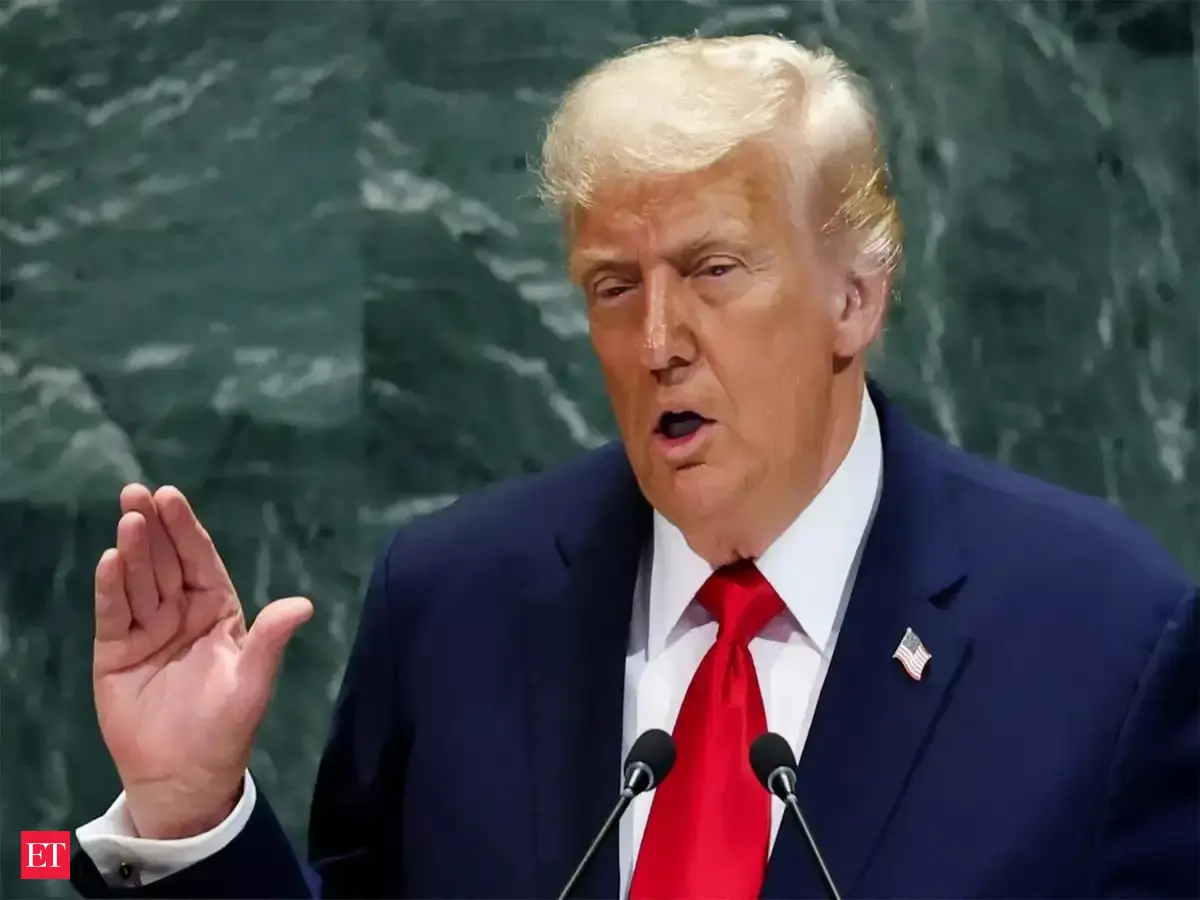
Image: The Economic Times
The Trump administration plans to impose a 100% tariff on imported branded pharmaceuticals unless manufacturers either agree to government pricing deals or shift production to the U.S. This initiative aims to lower prescription drug prices for American consumers and incentivizes drugmakers to localize manufacturing.
- 01A 100% tariff will be imposed on imported branded pharmaceuticals not made in the U.S.
- 02Large pharmaceutical companies have 120 days to comply, while smaller firms have 180 days.
- 03Companies can reduce the tariff to 20% by moving production to the U.S.
- 04Tariffs for drugs from the EU, Japan, South Korea, and Switzerland will be reduced to 15%.
- 05Over 90% of medicines sold in the U.S. are generics, which will be exempt from these tariffs.
Advertisement
In-Article Ad
The Trump administration announced a significant policy shift that will impose a 100% tariff on branded pharmaceuticals imported into the United States unless manufacturers agree to government pricing deals or commit to domestic production. This initiative aims to pressure drugmakers to localize manufacturing and reduce prescription drug prices for American consumers. Large pharmaceutical companies have 120 days to announce plans to avoid the tariff, while smaller companies have 180 days. By relocating production to the U.S., companies can benefit from a reduced 20% tariff. The administration has already reached agreements with 17 drugmakers, with 13 finalized and four under negotiation. Drugs produced in countries like the European Union, Japan, South Korea, and Switzerland will face a lower 15% tariff due to existing trade agreements. This move comes as U.S. patients pay significantly higher prices for prescription medications compared to other developed nations. The administration's push for lower prices is part of a broader strategy to align U.S. drug costs with those in high-income countries.
Advertisement
In-Article Ad
This policy could lead to lower prescription drug prices for American consumers and create more domestic jobs in the pharmaceutical manufacturing sector.
Advertisement
In-Article Ad
Reader Poll
Do you support the imposition of tariffs on imported pharmaceuticals to lower drug prices in the U.S.?
Connecting to poll...
More about U.S. Food and Drug Administration
Read the original article
Visit the source for the complete story.