



Australian Shares Decline Amid Failed US-Iran Peace Talks
Global Markets | Australian shares slide as US-Iran talks fail, risk appetite sours
 The Economic Times
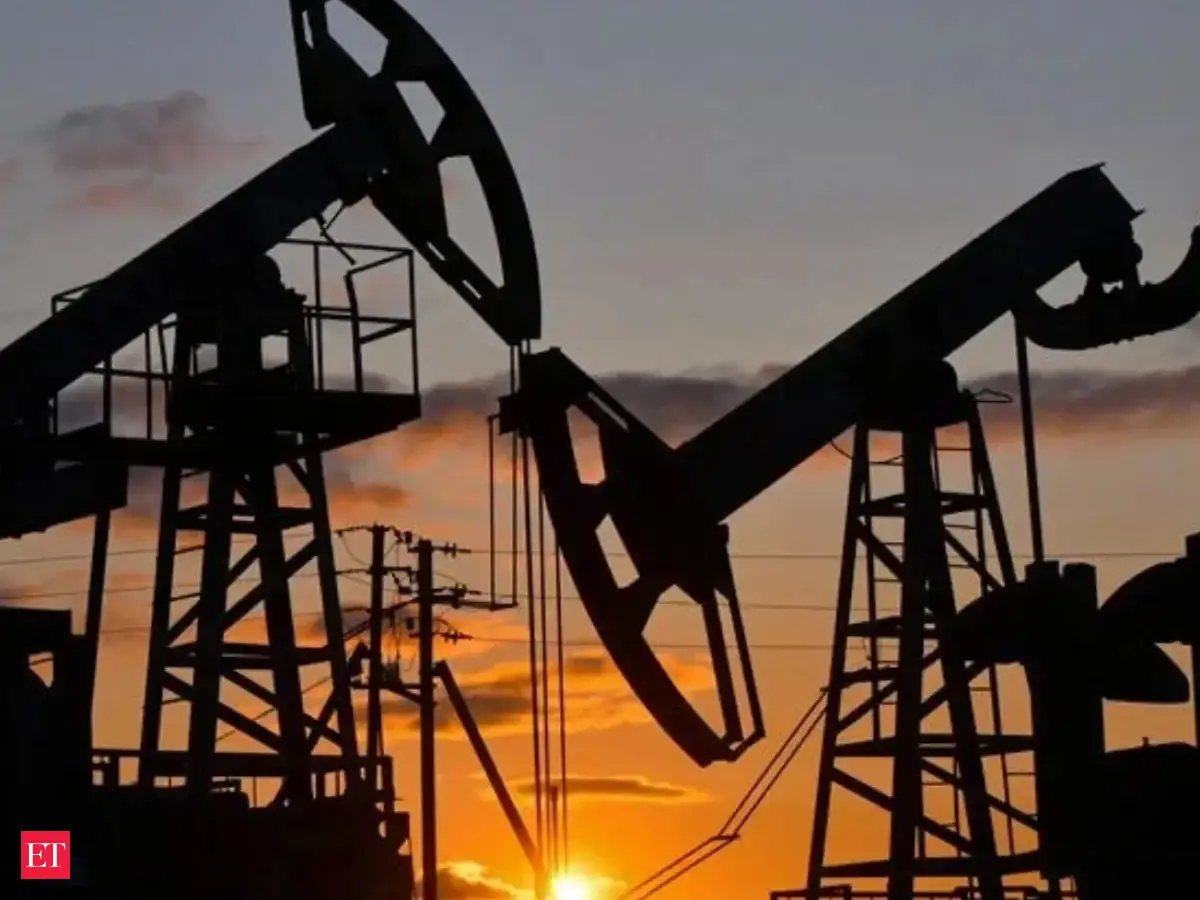
Image: The Economic Times
Australian shares dropped 0.4% to 8,926 points on Monday following the collapse of U.S.-Iran peace talks and new U.S. sanctions on Iranian ports. This downturn reflects a broader market risk aversion, with energy stocks rising due to increased crude prices, while gold and financial sectors faced losses.
- 01Australian S&P/ASX 200 index fell 0.4%, marking its steepest decline since April 2.
- 02The decline follows failed U.S.-Iran negotiations and renewed U.S. sanctions on Iranian ports.
- 03Brent crude prices rose above $100 per barrel, impacting local energy stocks positively.
- 04Gold stocks suffered losses, with Northern Star Resources and Evolution Mining down 2.3% and 2.9%, respectively.
- 05New Zealand's S&P/NZX 50 index fell 1.2%, led by a significant drop in a2 Milk shares.
Advertisement
In-Article Ad
On Monday, the Australian S&P/ASX 200 index experienced a 0.4% decline, closing at 8,926 points, its most significant drop since April 2. This downturn was triggered by the collapse of U.S.-Iran peace talks and the announcement of U.S. sanctions blocking maritime traffic to and from Iranian ports. The previous week's optimism, fueled by a 4.4% rise in the index following talks in Islamabad, evaporated as negotiations ended without an agreement. The renewed tensions have raised concerns over oil supply, pushing Brent crude prices back above $100 per barrel. This situation has created a stagflationary environment, negatively affecting equity prices, according to Kyle Rodda, a senior financial market analyst at Capital.com. The mining sector fell 0.4%, primarily due to a 2.1% drop in gold stocks, while energy stocks gained 2.1% as crude prices rose. In New Zealand, the S&P/NZX 50 index fell 1.2% due to a 12.4% decline in a2 Milk shares, which cut its profit guidance amid supply chain issues.
Advertisement
In-Article Ad
Investors may see increased volatility in their portfolios, particularly in sectors sensitive to oil prices and geopolitical tensions. Higher crude prices could lead to increased costs for consumers and businesses alike.
Advertisement
In-Article Ad
Reader Poll
How do you feel about the impact of geopolitical tensions on the stock market?
Connecting to poll...
Read the original article
Visit the source for the complete story.