



Impact of New Labour Code on Gratuity and Income Tax in India
Gratuity may rise under New Labour Code, but your income tax bill could too
 The Economic Times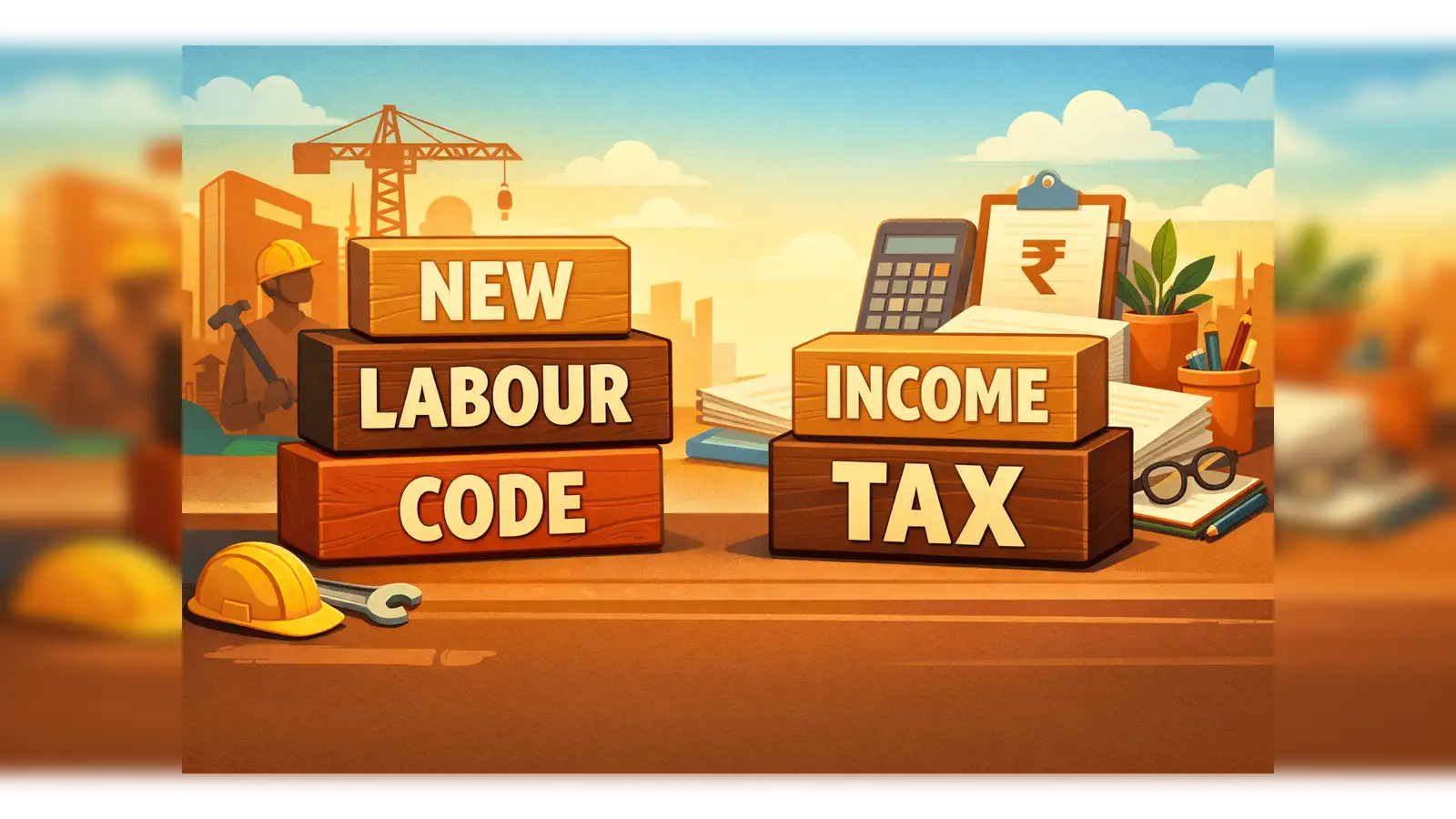
Image: The Economic Times
India's Code on Social Security, 2020, set to take effect on November 21, 2025, expands the definition of wages for gratuity calculations, potentially increasing retirement benefits. However, a mismatch with income tax provisions could lead to higher tax liabilities for employees, complicating the financial benefits intended by the new law.
- 01The Code on Social Security, 2020, expands the definition of wages for gratuity calculations.
- 02Gratuity calculations will be based on a broader wage definition effective November 21, 2025.
- 03Current tax provisions may not align with the new gratuity calculations, leading to potential tax burdens.
- 04The mismatch could result in employees facing higher taxable gratuity amounts despite higher benefits.
- 05Legislative amendments or administrative clarifications are needed to align tax and labour laws.
Advertisement
In-Article Ad
The Code on Social Security, 2020, which will come into effect on November 21, 2025, aims to enhance social protection for private sector employees in India by broadening the definition of 'wages' used for calculating gratuity. Under the new framework, gratuity will be calculated as 15 days' wages for each completed year of service, using a formula that includes a wider range of remuneration components. However, a significant concern arises due to a disconnect between this expanded definition and the existing income tax provisions, which are based on a narrower wage definition. This could lead to a situation where employees may face higher tax liabilities, as the gratuity amount computed under the new law could exceed the tax-exempt limits established by the Income-tax Act. For example, an employee with a monthly salary structure that includes significant allowances could see a taxable portion of their gratuity, despite the overall amount being within the government’s limit of ₹20 lakh (approximately $24,000 USD). To address this issue, legislative amendments or clarifications from the Central Board of Direct Taxes (CBDT) are essential to ensure that the benefits of the new labour code are not undermined by tax implications.
Advertisement
In-Article Ad
The changes in gratuity calculation could lead to higher tax liabilities for employees, affecting their retirement benefits.
Advertisement
In-Article Ad
Reader Poll
Do you think the new labour code will benefit employees despite potential tax implications?
Connecting to poll...
Read the original article
Visit the source for the complete story.