


The Impact of Post-PTM Conversations on Children's Confidence
After the PTM: The conversations that shape a child’s confidence
 The Times Of India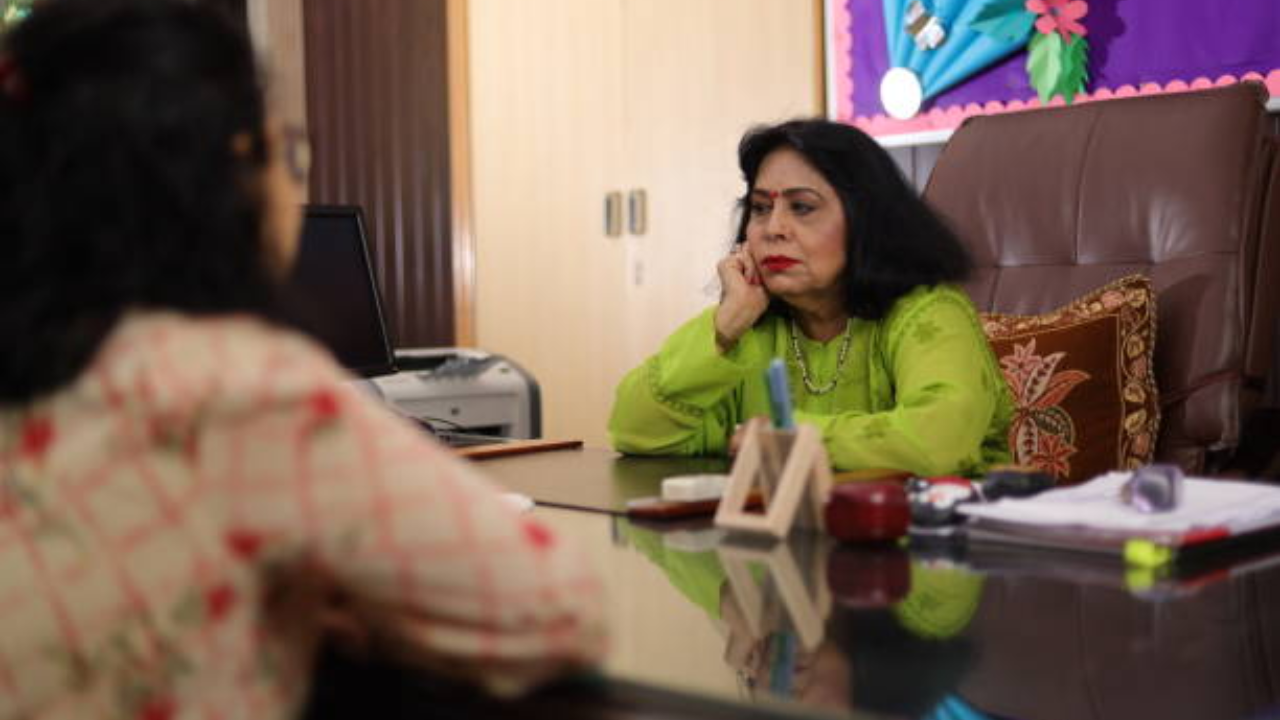
Image: The Times Of India
Post-Parent-Teacher Meeting (PTM) conversations significantly influence a child's confidence and perception of their performance. The way parents engage with their children—focusing on support rather than blame—can transform the child's experience and motivation for improvement.
- 01Post-PTM conversations shape children's self-perception and confidence.
- 02Parents' tone and approach can either support or hinder a child's motivation.
- 03Starting discussions with questions about the teacher's feedback fosters openness.
- 04Highlighting positive feedback alongside areas for improvement encourages growth.
- 05Children remember feelings over specific words, impacting their future engagement.
Advertisement
In-Article Ad
The conversations that follow a Parent-Teacher Meeting (PTM) play a crucial role in shaping a child's confidence and self-esteem. As children leave school, they anticipate their parents' questions about the meeting. The nature of these conversations can either uplift or discourage them. Parents often default to discussing grades or behavior, which can feel like blame to the child. However, shifting the focus to open-ended questions like, 'What do you think about what the teacher said?' allows children to express their thoughts and feelings, making the dialogue more collaborative. Additionally, acknowledging positive feedback from teachers alongside areas for improvement can help children associate effort with support rather than pressure. Ultimately, children remember how they felt after these conversations, which influences their attitude towards learning and self-improvement.
Advertisement
In-Article Ad
Advertisement
In-Article Ad
Reader Poll
How do you approach conversations with your child after a PTM?
Connecting to poll...
Read the original article
Visit the source for the complete story.