


Trump's New Tariffs on Patented Pharma Imports: Implications for India
Trump imposes 100% tariffs on patented pharma imports. Will move impact India?
 Hindustan Times
Image: Hindustan Times
President Donald Trump has imposed 100% tariffs on patented pharmaceutical imports to encourage domestic manufacturing in the United States. While generic medicines from India remain exempt, the long-term impact on the global supply chain could affect Indian pharmaceutical companies, especially those involved in contract manufacturing.
- 01Trump's tariffs target patented pharmaceutical imports to boost US manufacturing.
- 02Generic medicines from India are currently exempt, crucial for India's pharma exports.
- 0390% of India's pharmaceutical exports to the US are generics, providing a buffer.
- 04Long-term implications may arise for Indian firms involved in patented drug production.
- 05Global supply chains could be disrupted, affecting contract manufacturing and multinational partnerships.
Advertisement
In-Article Ad
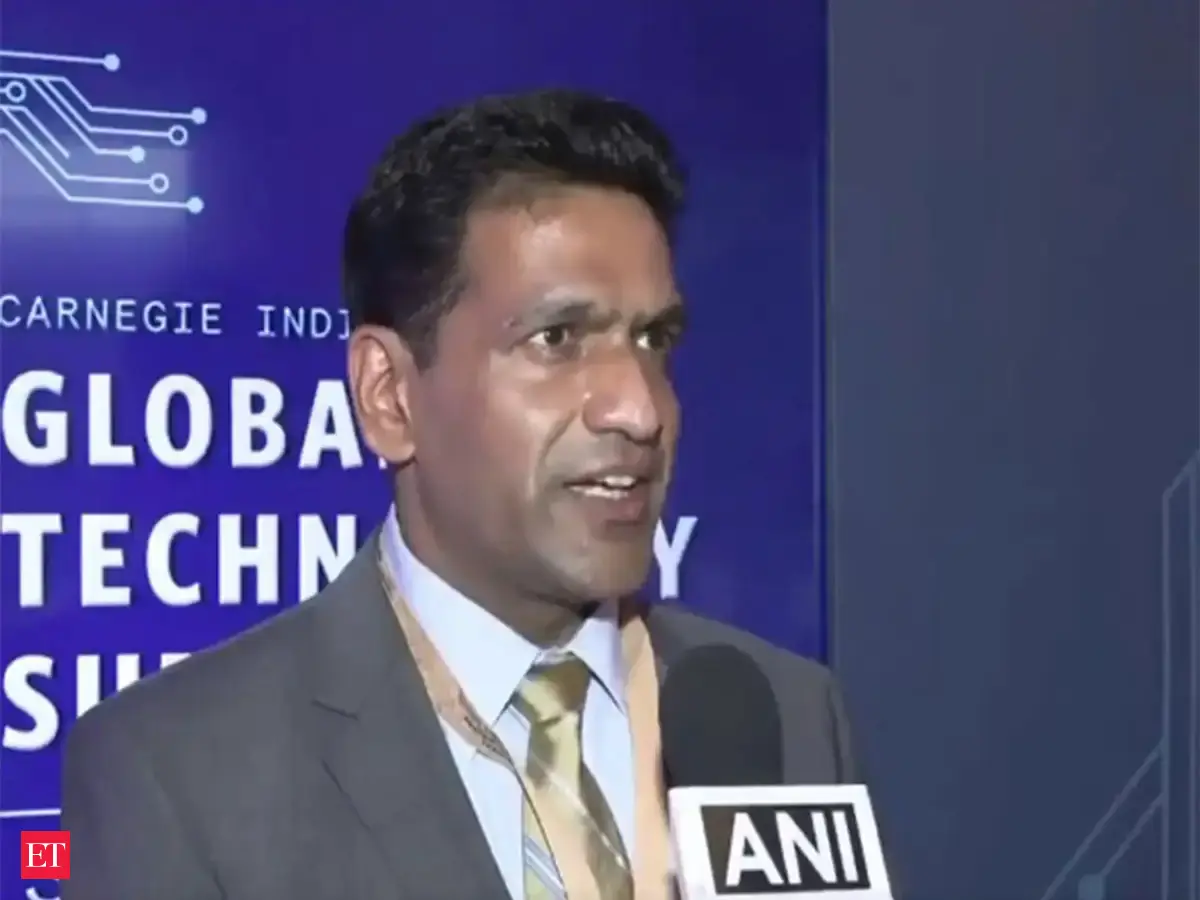
President Donald Trump has introduced 100% tariffs on patented pharmaceutical imports, a move aimed at pressuring pharmaceutical companies to increase manufacturing within the United States. This decision follows a national security probe and is part of a broader strategy to reshape trade dynamics. Notably, generic medicines, which comprise about 90% of India's pharmaceutical exports to the US, are currently exempt from these tariffs, providing a temporary buffer for Indian companies. However, this exemption might change if the generics industry does not shift production to the US. Industry experts, including Siddharth Mittal, CEO of Biocon Limited, acknowledge that while the immediate impact is limited, the move signals increasing protectionism, introducing uncertainty for the pharmaceutical sector. The tariffs could disrupt global supply chains, particularly affecting Indian firms involved in contract manufacturing and supplying active pharmaceutical ingredients to multinational companies. Countries with reshoring agreements may face reduced tariffs, with the European Union, Japan, South Korea, and Switzerland facing 15% tariffs, while the UK will see 10% duties.
Advertisement
In-Article Ad
The tariffs could disrupt India's pharmaceutical exports, particularly affecting companies involved in the production of patented drugs and global supply chains.
Advertisement
In-Article Ad
Reader Poll
How do you view the impact of US tariffs on pharmaceutical imports?
Connecting to poll...
More about Biocon Limited
Read the original article
Visit the source for the complete story.