

Bangladesh's Political Landscape: The Risks of BNP's Victory and Awami League Ban
Bangladesh remains a ticking time bomb due to Awami League ban
 Firstpost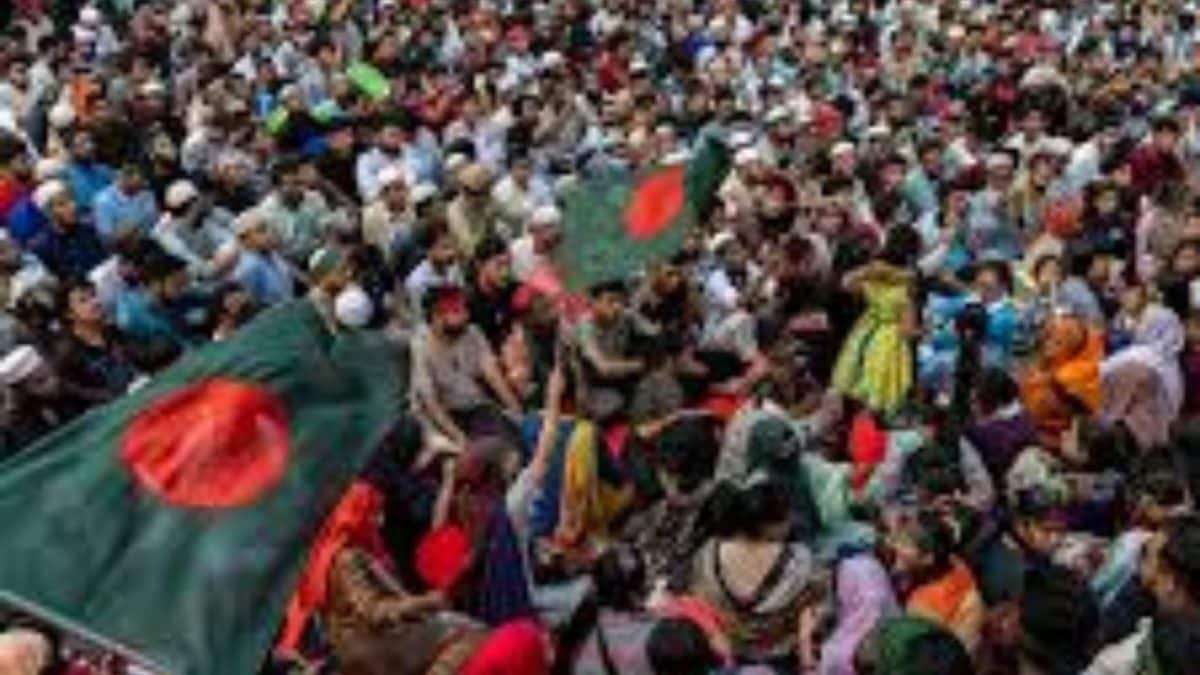
Image: Firstpost
The February 12, 2026, election in Bangladesh saw Tarique Rahman's Bangladesh Nationalist Party (BNP) secure a significant victory, raising concerns about the implications of the ongoing ban on the Awami League. The article warns that without a balanced opposition, the rise of Jamaat-e-Islami could lead to increased Islamist extremism and civil unrest.
- 01The BNP won nearly half the popular vote and two-thirds of parliamentary seats in the recent elections.
- 02The ban on the Awami League by Muhammad Yunus has raised fears of rising Islamist extremism.
- 03The BNP's current support may be temporary, as past repression could resurface.
- 04A true opposition is essential for maintaining democratic integrity in Bangladesh.
- 05Failure to reverse the Awami League ban could lead to civil conflict and increased support for Jamaat-e-Islami.
Advertisement
In-Article Ad
In the February 12, 2026, elections, the Bangladesh Nationalist Party (BNP) led by Tarique Rahman achieved a landslide victory, winning nearly 50% of the popular vote and close to two-thirds of the seats in the Jatiya Sangsad, Bangladesh's parliament. This victory came after a boycott of the 2024 elections and amid concerns over the Islamist agenda pursued by Muhammad Yunus, who banned the Awami League. The article argues that while the BNP's rise may seem promising, the absence of the Awami League as a legitimate opposition could lead to the resurgence of Jamaat-e-Islami and its extremist ideologies. Historical parallels are drawn with past political repression, indicating that without a balanced political landscape, Bangladesh risks descending into civil conflict and Islamist extremism. The BNP's potential reversal of the Awami League ban is crucial for preserving the democratic fabric of the nation, as a strong opposition is necessary to ensure accountability and prevent the rise of authoritarianism.
Advertisement
In-Article Ad
The political dynamics in Bangladesh could lead to increased instability and violence if the BNP does not allow the Awami League to function as a legitimate opposition.
Advertisement
In-Article Ad
Reader Poll
Do you believe the ban on the Awami League should be lifted to promote democratic governance in Bangladesh?
Connecting to poll...
More about Bangladesh Nationalist Party

India and Bangladesh Commit to Revitalize Bilateral Relations After 18-Month Strain
News 18 • Apr 8, 2026

India and Bangladesh Strengthen Ties and Energy Cooperation Amidst Strained Relations
Hindustan Times • Apr 8, 2026

Bangladesh Parliament Approves Law to Disband Awami League Party
News 18 • Apr 8, 2026
Read the original article
Visit the source for the complete story.