

Trump's Admission on Arming Iranian Protesters Raises Geopolitical Concerns
'We Sent Them A Lot Of Guns': Why Trump's Iran Remark Opens A Pandora's Box
 News 18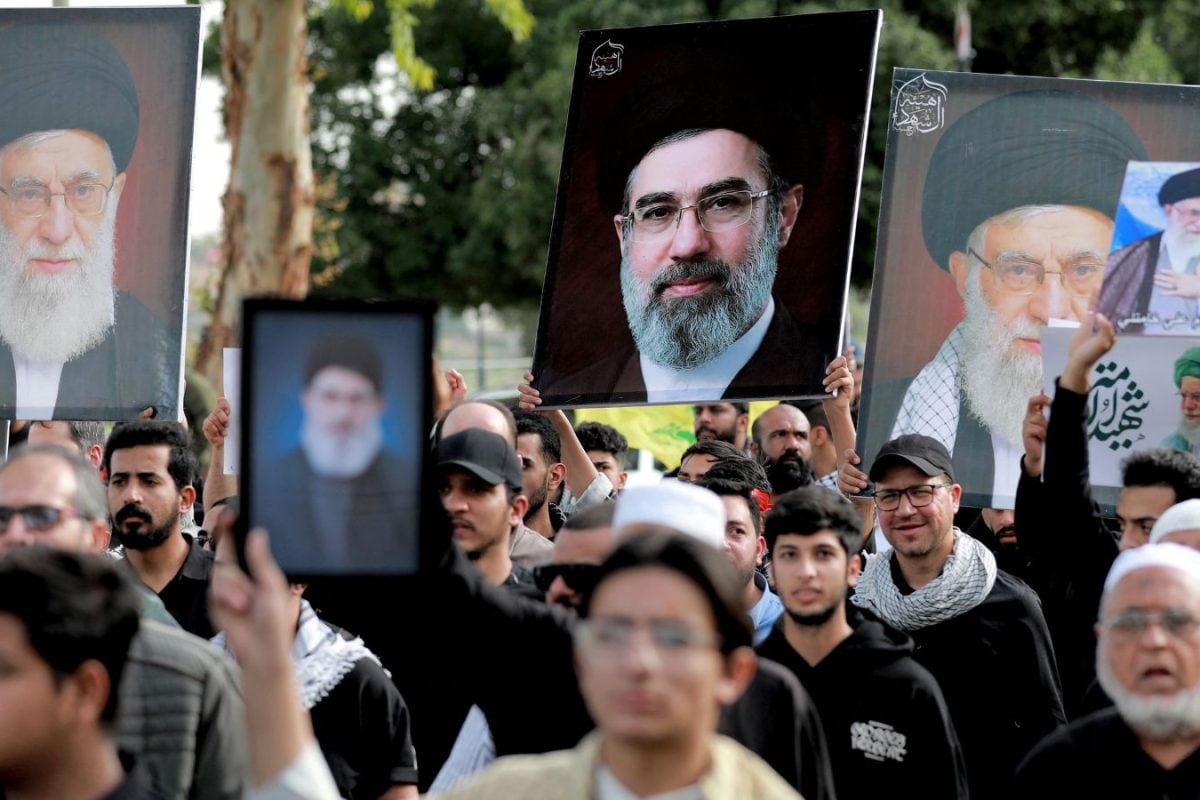
Image: News 18
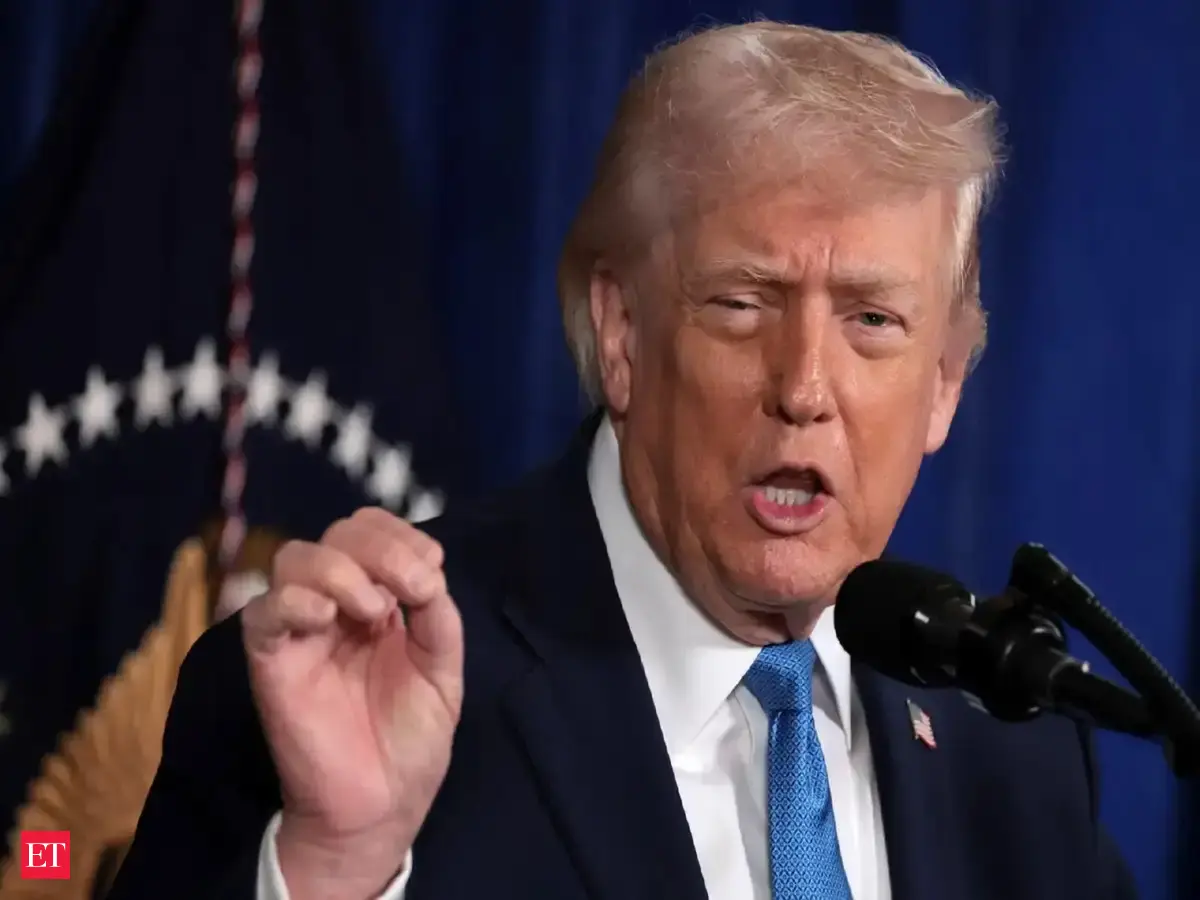
Donald Trump's recent claim about the U.S. sending weapons to anti-regime protesters in Iran has sparked a debate over the implications of such actions. This admission raises questions about the nature of civilian protests, potential regime crackdowns, and the risks of escalating conflict in the region.
- 01Trump's claim about U.S. weapon support for Iranian protesters opens discussions on intervention.
- 02Arming protesters can blur lines between civilian movements and armed insurgencies.
- 03The number of protesters killed in Iran remains contested, with estimates ranging from 7,000 to 45,000.
- 04The U.S. historically uses local intermediaries like the Kurds for plausible deniability in conflict.
- 05Past U.S. operations in regions like Afghanistan and Syria show risks of weapons diversion and instability.
Advertisement
In-Article Ad
In a recent interview, U.S. President Donald Trump revealed that the United States had attempted to send weapons to anti-regime protesters in Iran, stating, 'We sent them a lot of guns, we sent them through the Kurds.' This admission has raised significant concerns about the implications of such actions, blurring the lines between civilian protests and armed insurgency. Arming protesters, even under the guise of 'defensive support,' may provide regimes with justification for harsher crackdowns and internationalize domestic unrest. The protests in Iran, initially sparked by economic issues, could escalate into a proxy battleground if external actors intervene. Trump's claim of 45,000 protesters killed is contested, with independent estimates ranging from 7,000 to over 30,000, illustrating the complexities of casualty reporting in conflict zones. The potential legal ramifications of supplying weapons within another sovereign state could be viewed as intervention, risking retaliation and broader conflict. Historically, similar U.S. efforts in Afghanistan, Syria, and Libya have led to fragmented opposition and long-term instability, suggesting that even successful operations might not yield stability but rather escalate tensions further.
Advertisement
In-Article Ad
The situation in Iran could lead to increased repression against protesters and potential military escalation, affecting the lives of ordinary Iranians and the broader geopolitical landscape.
Advertisement
In-Article Ad
Reader Poll
Do you support the U.S. providing military support to protesters in foreign countries?
Connecting to poll...
Read the original article
Visit the source for the complete story.