




Impact of Sand Dredging on Lough Neagh: A Study Reveals Alarming Ecosystem Changes
How commercial sand dredging is reshaping the largest lake in the UK – new study
 The Conversation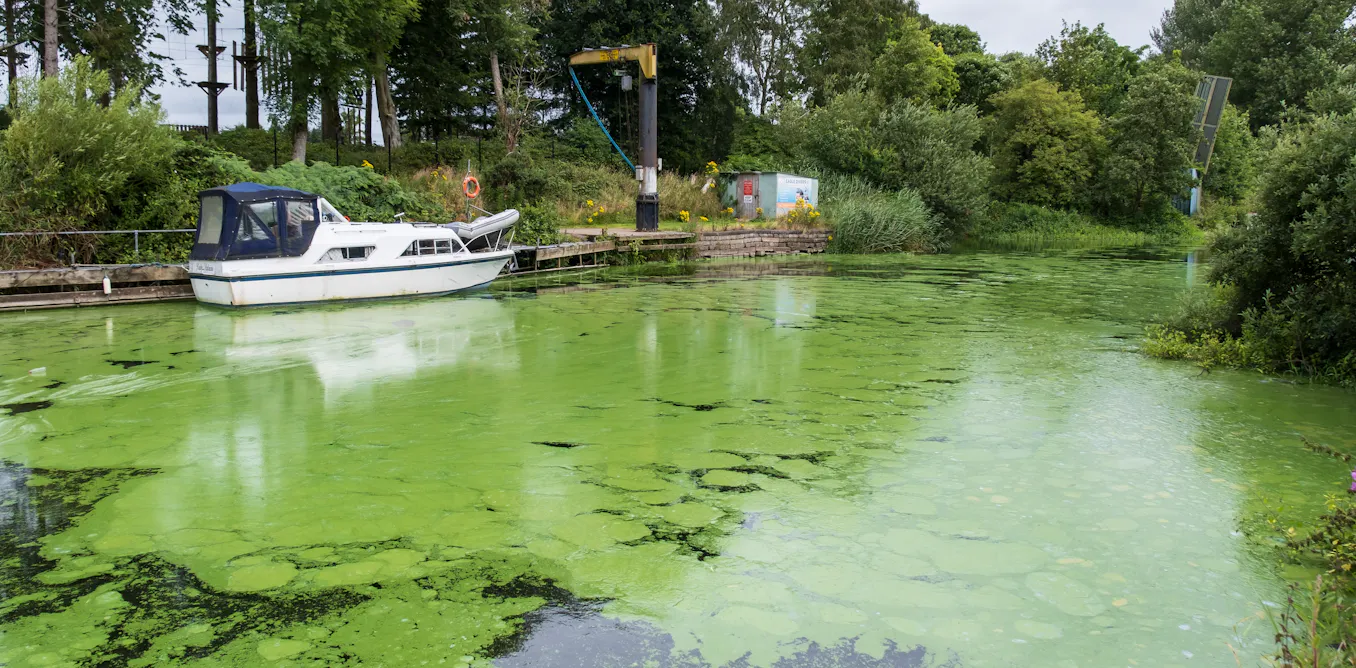
Image: The Conversation
A new study highlights the detrimental effects of commercial sand dredging on Lough Neagh, the largest lake in the UK, which supplies drinking water to 41% of Northern Ireland's population. The research indicates that dredging not only disrupts the lakebed but also contributes to toxic algal blooms, threatening wildlife and public health.
- 01Sand dredging in Lough Neagh has been ongoing for decades, impacting the lake's ecosystem.
- 02Algal blooms, driven by nutrient pollution and sediment disturbance, threaten wildlife and water quality.
- 03Dredging has created depressions in the lakebed, lowering it by up to 17 meters.
- 04The study emphasizes the need for broader regulatory measures to address the impacts of dredging.
- 05Practical solutions exist to minimize dredging's environmental footprint, such as adjusting suction force and vessel speeds.
Advertisement
In-Article Ad
Lough Neagh, located in Northern Ireland, is facing an environmental crisis due to commercial sand dredging, which has been conducted for decades. This activity not only disturbs specific areas of the lakebed but also has widespread ecological impacts. Recent research shows that dredging has lowered parts of the lakebed by up to 17 meters, creating significant physical changes that affect the entire ecosystem. The lake, which provides drinking water to 41% of Northern Ireland's population, has been plagued by toxic blue-green algal blooms since 2023, primarily caused by nutrient pollution and sediment disturbance. These blooms threaten wildlife and public health, as they are linked to the release of legacy phosphorus from disturbed sediments. The study reveals that sediment plumes from dredging can extend over a mile, affecting water clarity and food sources for fish and birds. Current regulations focus narrowly on dredging locations and volumes, neglecting the broader ecological consequences. To mitigate these effects, the study suggests practical measures such as adjusting dredging techniques and improving land management. Addressing the challenges in Lough Neagh reflects a larger global issue of increasing sand demand and its impact on aquatic environments.
Advertisement
In-Article Ad
The ongoing sand dredging poses significant risks to wildlife and water quality in Lough Neagh, affecting drinking water supplies and local fisheries.
Advertisement
In-Article Ad
Reader Poll
Should stricter regulations be implemented for sand dredging in Lough Neagh?
Connecting to poll...
Read the original article
Visit the source for the complete story.