


Pakistan's Role in US–Iran Peace Deal: A Necessity Driven by Crisis
Why Munir, Sharif Had No Choice But To Broker US–Iran Peace Deal | Exclusive
 News 18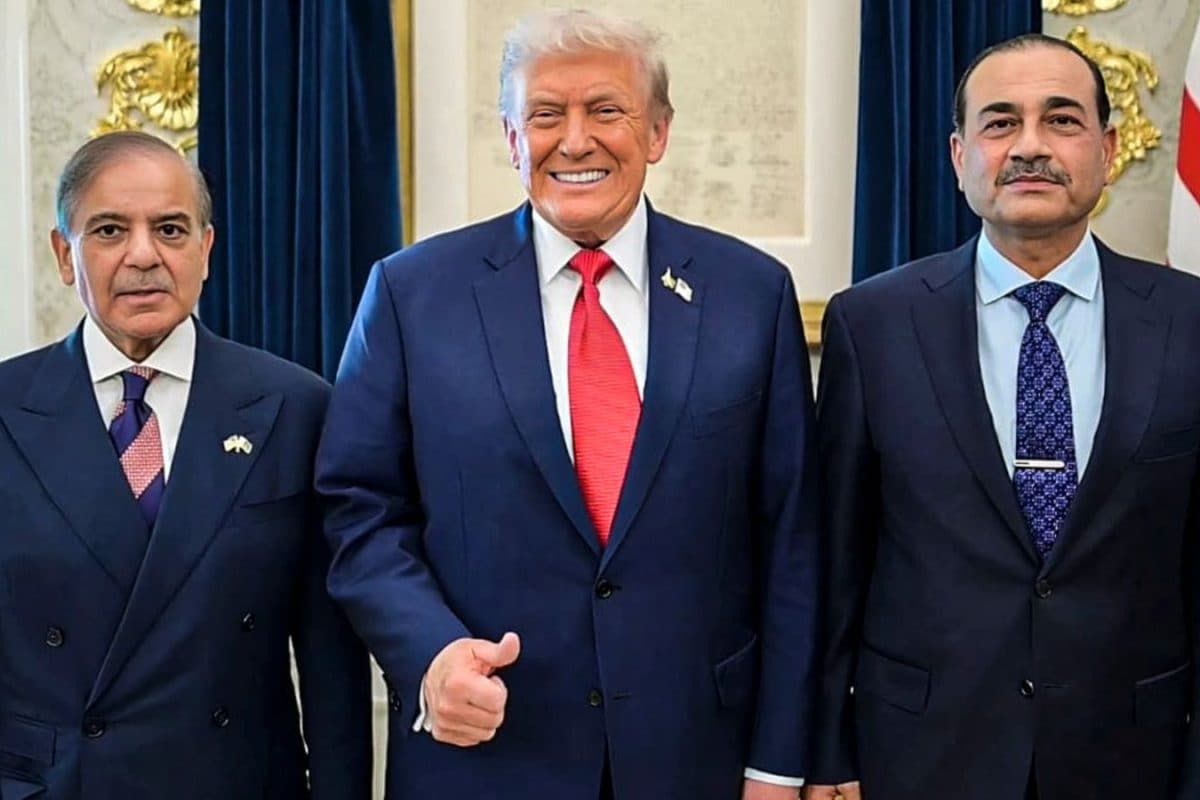
Image: News 18
Pakistan's Prime Minister Shehbaz Sharif and Army Chief General Asim Munir brokered a US–Iran peace deal out of necessity, driven by economic vulnerabilities and geopolitical pressures. The fragile ceasefire is crucial for Pakistan's stability, as prolonged conflict could severely impact its economy and security.
- 01Pakistan's leadership acted under economic and geopolitical pressures to broker the US–Iran peace deal.
- 02The country relies heavily on oil imports from the Gulf, making prolonged conflict untenable.
- 03US pressure played a significant role in pushing Pakistan to mediate between the two nations.
- 04The successful ceasefire could enhance Pakistan's diplomatic standing but carries risks of backlash if it fails.
- 05The stakes for Pakistan's leadership are high, with potential domestic unrest looming over economic instability.
Advertisement
In-Article Ad
The recent US–Iran peace deal, while appearing as a diplomatic success, is rooted in necessity for Pakistan’s leadership. Prime Minister Shehbaz Sharif and Army Chief General Asim Munir faced immense pressure from both economic vulnerabilities and geopolitical dynamics. With Pakistan's economy deeply tied to the Gulf region, any extended conflict could lead to skyrocketing fuel prices and disrupt remittance flows from over 5 million Pakistanis working abroad. This economic strain could trigger austerity measures, deepen inflation, and risk a balance-of-payments crisis, jeopardizing ongoing support from the International Monetary Fund (IMF). The United States sought a diplomatic pause without direct negotiations with Iran, making Pakistan's strategic position essential. Islamabad's role was largely seen as a result of US pressure, with Munir engaging in backchannel communications with US and Iranian officials. While the ceasefire has positioned Pakistan as a diplomatic player, it also carries risks, as failure could expose the leadership to criticism. As the situation evolves, the effectiveness of Pakistan's mediation will be tested.
Advertisement
In-Article Ad
The peace deal is critical for Pakistan's economic stability, as prolonged conflict could lead to higher fuel prices and economic turmoil, affecting everyday citizens.
Advertisement
In-Article Ad
Reader Poll
Do you think Pakistan's mediation in the US-Iran peace deal will benefit its economy?
Connecting to poll...
Read the original article
Visit the source for the complete story.