


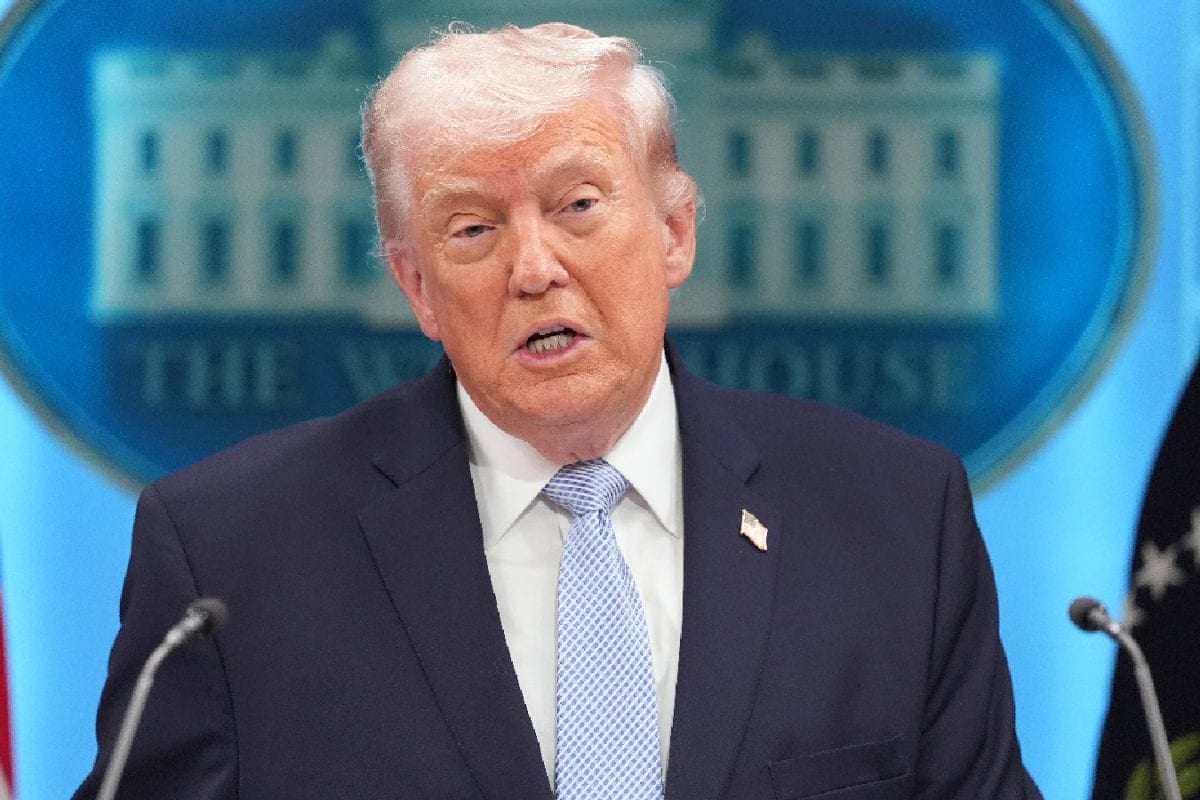
Analyzing Trump's Threats Against Iran: Potential War Crimes Explained
Before the ceasefire: Why Trump’s threats against Iran would have been a war crime
 The Indian Express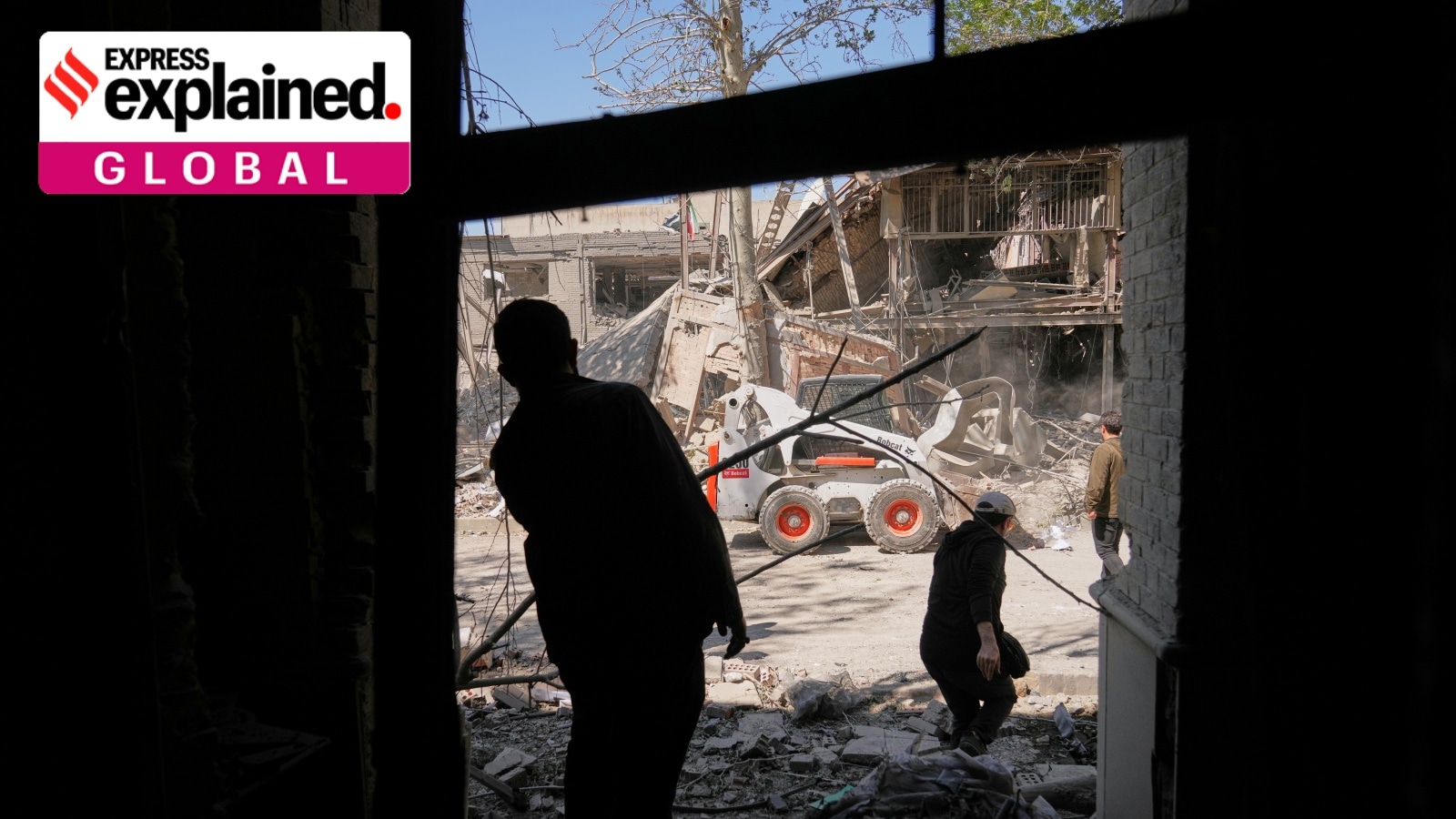
Image: The Indian Express
In the lead-up to a ceasefire with Iran, U.S. President Donald Trump made escalating threats against the country, which could be classified as war crimes under international law. The article outlines the definitions of war crimes and the implications of targeting civilian infrastructure, emphasizing the legal protections for such entities.
- 01Trump's threats against Iran could qualify as war crimes under international law.
- 02War crimes are defined by the Geneva Conventions and the Rome Statute of the ICC.
- 03Attacking civilian infrastructure, such as power plants, is prohibited unless used for military purposes.
- 04Disproportionate harm to civilians from such attacks could lead to war crime charges.
- 05Threatening to destroy a civilization may constitute a threat of genocide.
Advertisement
In-Article Ad
In the days leading up to a ceasefire with Iran, U.S. President Donald Trump issued severe threats, including bombing Iranian power plants and sending the country back to the 'stone age.' Such threats could constitute war crimes under international law, which defines war crimes as serious violations of humanitarian laws during conflicts. The Geneva Conventions and the Rome Statute of the International Criminal Court (ICC) outline the legal framework for these definitions. Attacking civilian objects, like power plants, is prohibited unless they are being used for military purposes. Even then, the potential for disproportionate harm to civilians must be considered. Amnesty International's Senior Director highlighted the catastrophic consequences of attacking such infrastructure, including loss of clean water, electricity, and food production. Furthermore, threats to destroy a civilization may be interpreted as genocide, as outlined by the Genocide Convention and the Rome Statute. The U.S. Department of Defense also discourages actions aimed solely at terrorizing civilian populations, reinforcing the legal protections against such threats.
Advertisement
In-Article Ad
The potential for war crimes charges could influence U.S. foreign policy and military strategy, impacting both American and Iranian civilians.
Advertisement
In-Article Ad
Reader Poll
Do you believe that threats made by leaders should be legally regulated under international law?
Connecting to poll...
Read the original article
Visit the source for the complete story.