


US-Iran Negotiations Commence in Pakistan Amid Ongoing West Asia Conflict
West Asia War: US-Iran direct talks begin in Pakistan as war's fragile ceasefire holds
 The Economic Times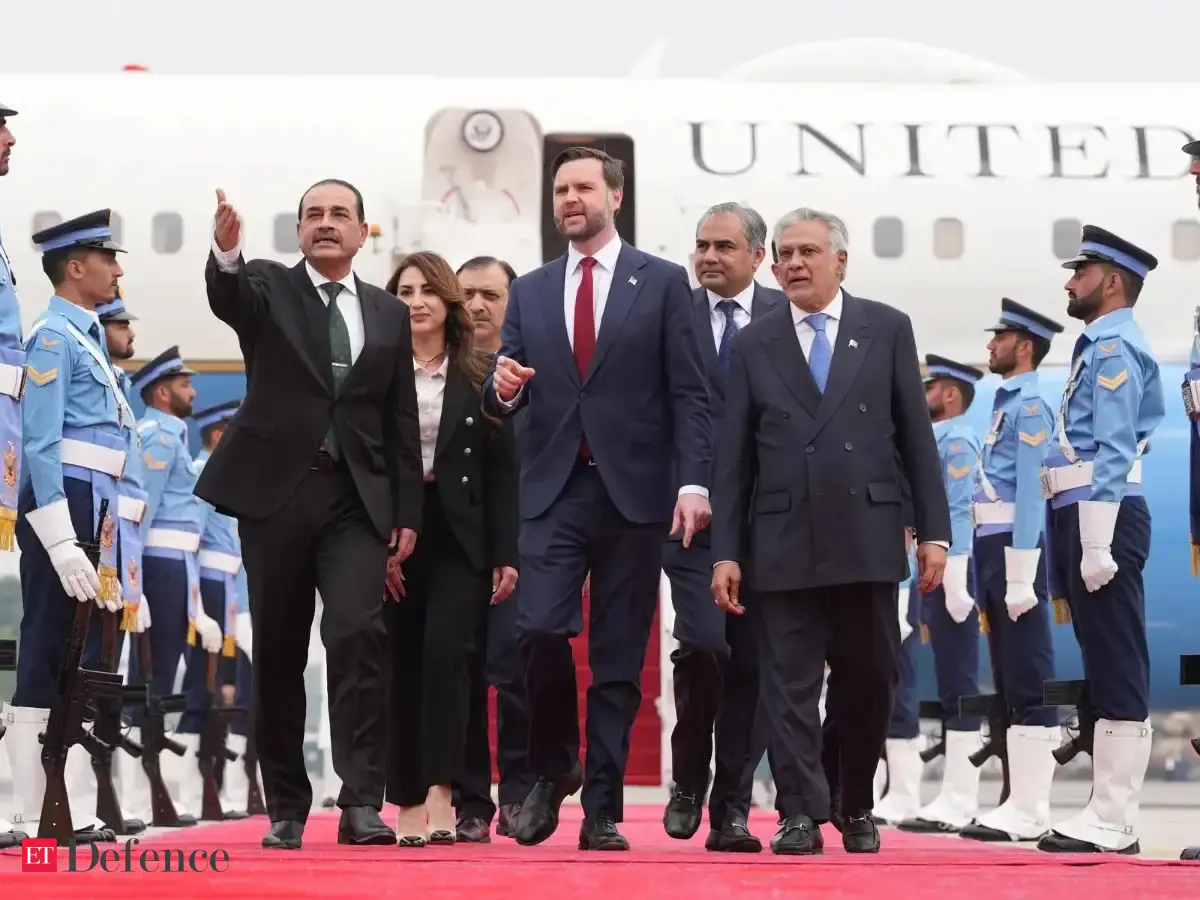
Image: The Economic Times
The United States and Iran initiated direct negotiations in Pakistan as a fragile ceasefire holds in the ongoing West Asia conflict, which has resulted in thousands of deaths. The discussions, led by U.S. Vice President JD Vance and Iranian Parliament Speaker Mohammad Bagher Qalibaf, aim to address key issues including compensation for war damages and control over the Strait of Hormuz.
- 01Direct talks between the U.S. and Iran began in Pakistan amid a fragile ceasefire.
- 02The conflict has resulted in over 3,000 deaths in Iran and significant casualties in Lebanon and Israel.
- 03Iran's proposals include compensation for war damages and control over the Strait of Hormuz.
- 04Israel continues military operations against Hezbollah, complicating ceasefire efforts.
- 05Rising oil prices and potential fuel shortages in Europe are linked to the conflict.
Advertisement
In-Article Ad
Direct negotiations between the United States and Iran commenced on Saturday in Islamabad, Pakistan, following a fragile ceasefire in the ongoing West Asia conflict that has claimed at least 3,000 lives in Iran and thousands more in Lebanon and Israel. The U.S. delegation, led by Vice President JD Vance, and the Iranian delegation, led by Parliament Speaker Mohammad Bagher Qalibaf, are discussing critical issues such as compensation for damages caused by U.S.-Israeli strikes and control over the Strait of Hormuz, a vital artery for global energy supplies. Iran has set 'red lines' for negotiations, including the release of frozen assets and a guaranteed end to hostilities. Meanwhile, Israel continues its military operations against Iranian-backed Hezbollah in Lebanon, undermining the ceasefire efforts. The conflict has led to soaring oil prices, with Brent crude exceeding $94 per barrel, and raised concerns about a potential fuel shortage in Europe due to the blockade of the Strait of Hormuz. As regional officials from China, Egypt, Saudi Arabia, and Qatar gather in Islamabad to facilitate the talks, the situation remains precarious with ongoing airstrikes and deep-rooted distrust between the negotiating parties.
Advertisement
In-Article Ad
The ongoing conflict and negotiations could significantly affect energy prices and fuel availability in Europe, impacting travel and the economy.
Advertisement
In-Article Ad
Reader Poll
Do you believe the negotiations between the US and Iran will lead to a lasting ceasefire?
Connecting to poll...
Read the original article
Visit the source for the complete story.