


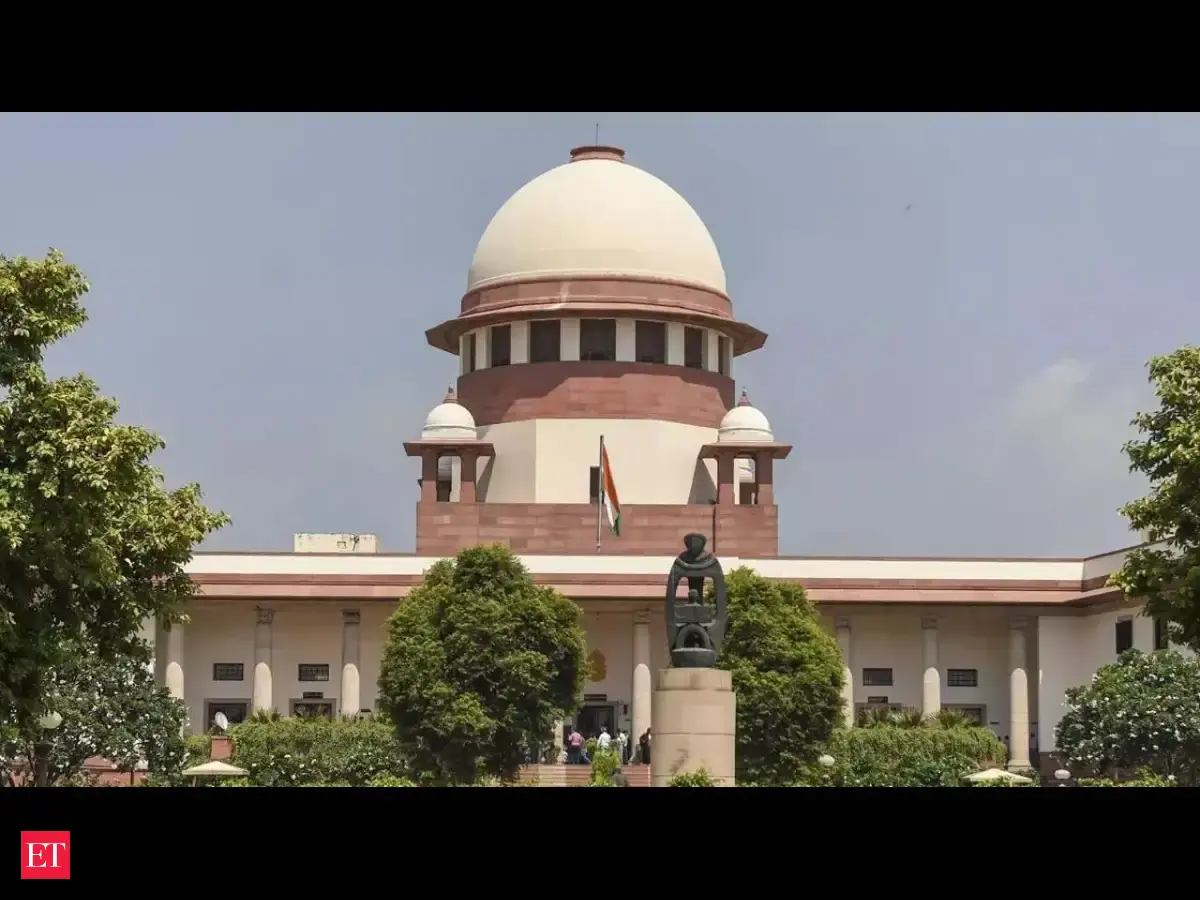


Supreme Court Dismisses Woman's ₹170 Crore Gold Claim, Emphasizes Need for Clarity in Domestic Violence Cases
Supreme Court rejects woman’s Rs 170 crore gold claim, says vague domestic violence cases must be ‘nipped in the bud’
 The Indian Express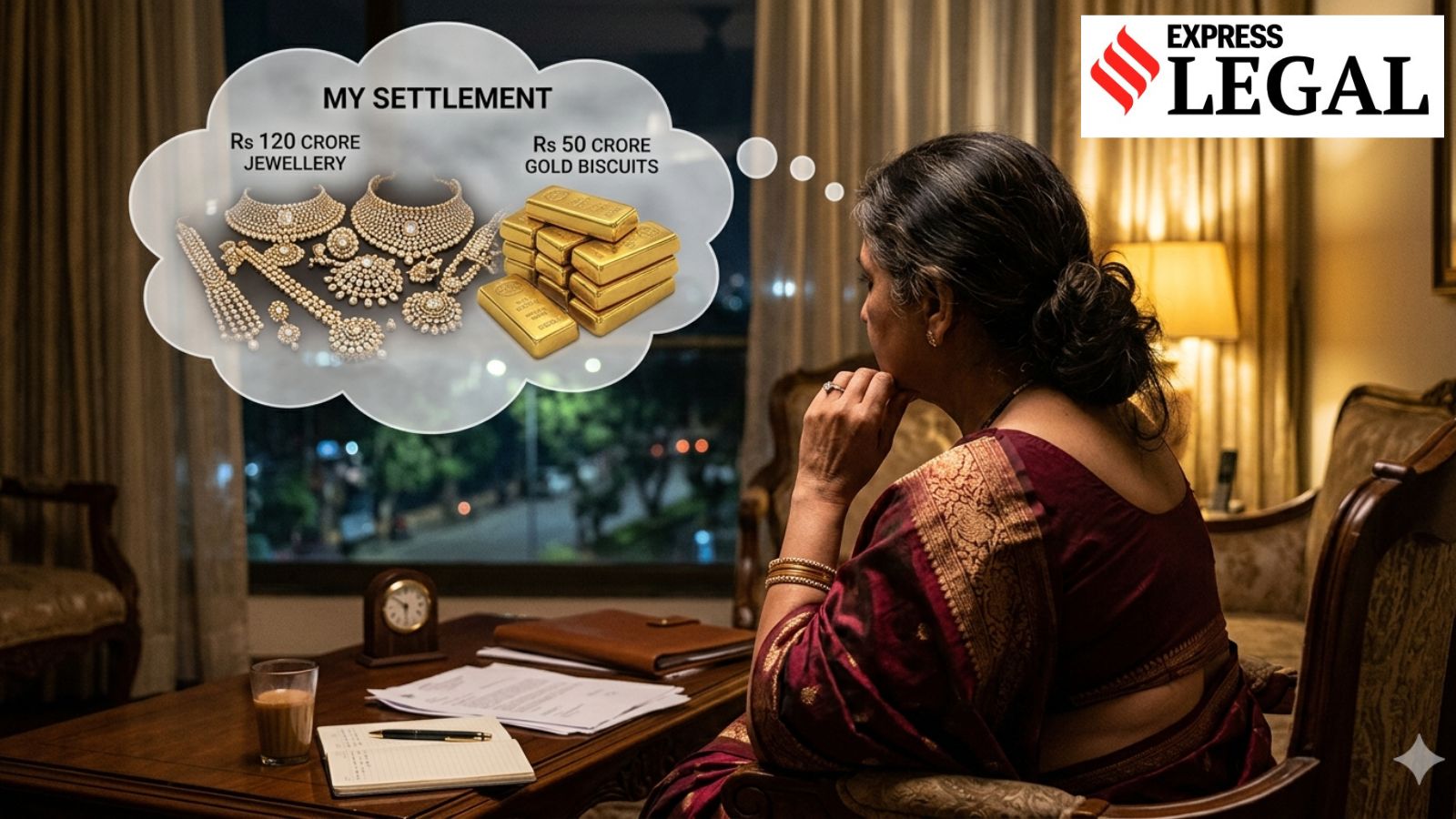
Image: The Indian Express
The Supreme Court of India has rejected a woman's claim for ₹170 crore worth of gold from her estranged husband, quashing her domestic violence case due to vague allegations. The court emphasized that such cases must be substantiated to prevent misuse of legal processes, highlighting the importance of adhering to settlement agreements.
- 01The Supreme Court dismissed a woman's ₹170 crore gold claim against her estranged husband, citing vague allegations.
- 02The court emphasized that domestic violence cases must have specific allegations to avoid misuse of legal processes.
- 03The woman's claim of promised gold was found unsubstantiated and not recorded in the settlement agreement.
- 04The court invoked Article 142 to dissolve the marriage, noting the complete breakdown of the relationship.
- 05The ruling reinforces the binding nature of mediated settlements in matrimonial disputes.
Advertisement
In-Article Ad
The Supreme Court of India has quashed a domestic violence case filed by a woman against her estranged husband, rejecting her claim for ₹170 crore worth of gold jewelry and biscuits. The court, led by Justices Rajesh Bindal and Vijay Bishnoi, found the allegations vague and lacking in specific details, stating that such cases must be 'nipped in the bud' to prevent misuse of legal processes. The woman's assertion that she was promised ₹120 crore in jewelry and ₹50 crore in gold biscuits was deemed unsubstantiated, as it was not included in the formal settlement agreement. The court criticized the timing of the complaint, which was filed only after the couple had begun divorce proceedings, suggesting it was an 'afterthought' to sustain litigation. The Supreme Court highlighted the importance of adhering to settlement agreements, ruling that once parties agree to a settlement, they cannot withdraw without valid grounds. Ultimately, the court invoked its powers under Article 142 of the Constitution to dissolve the marriage, noting that the relationship had become 'emotionally dead' and issuing directives for the final settlement of financial terms between the parties.
Advertisement
In-Article Ad
This ruling clarifies the legal standards for domestic violence claims in India, potentially affecting future cases by emphasizing the necessity for specific allegations.
Advertisement
In-Article Ad
Reader Poll
Do you believe that domestic violence laws should require specific allegations to proceed?
Connecting to poll...
More about Supreme Court of India
Read the original article
Visit the source for the complete story.