


US-Iran Peace Talks Collapse in Islamabad Amid Rising Tensions
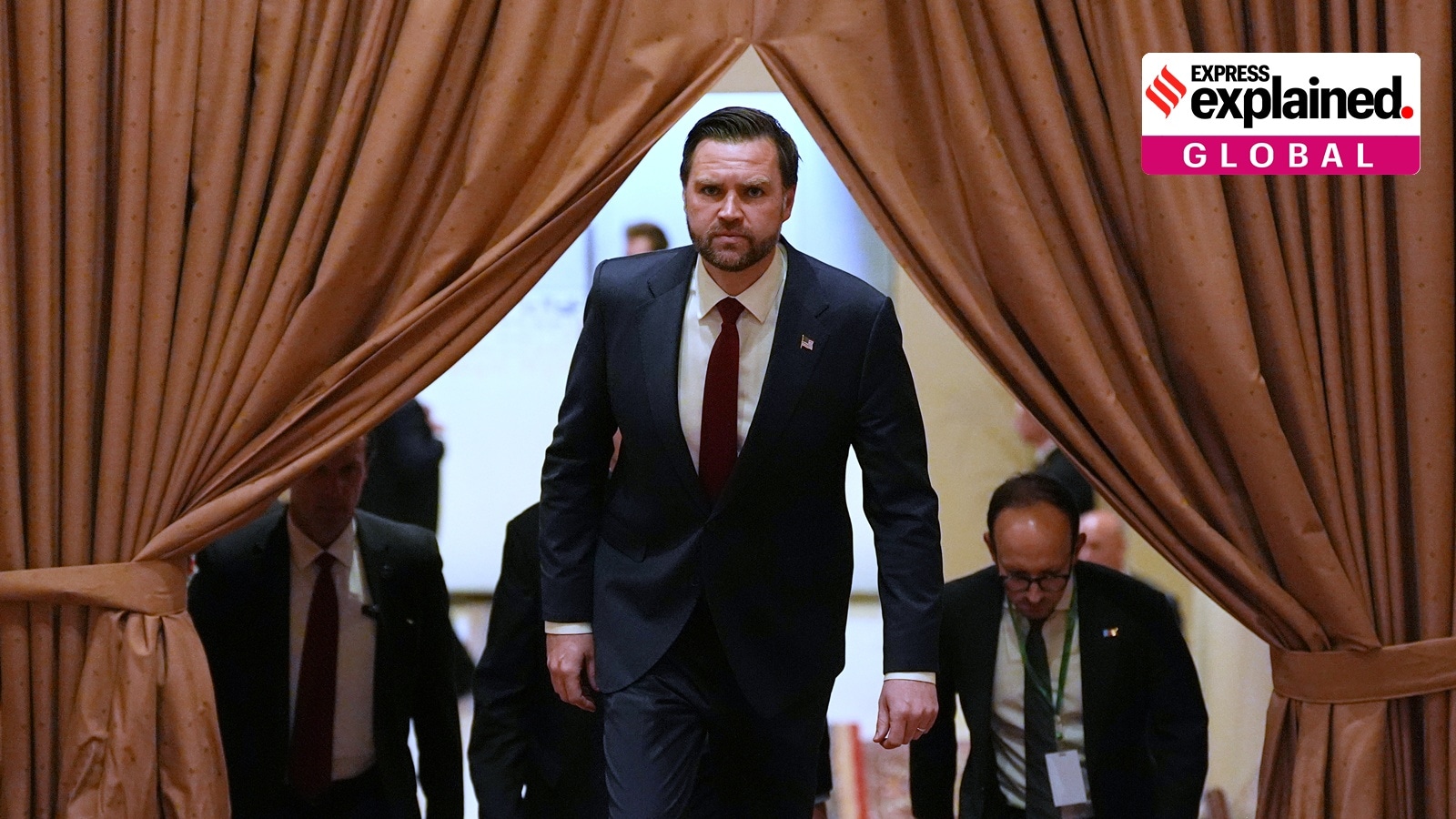
Middle East crisis live: Vance leaves Pakistan as historic peace talks with Iran break down
 The Guardian
Image: The Guardian
US-Iran peace talks in Islamabad broke down after 21 hours of negotiations, with US Vice President JD Vance leaving Pakistan without a deal. Iran rejected US terms regarding nuclear weapons, while Israeli Prime Minister Benjamin Netanyahu vowed to continue opposing Iran's influence. The situation remains tense, with ongoing violence in Lebanon and military movements in the Strait of Hormuz.
- 01US-Iran peace talks in Islamabad ended without an agreement.
- 02Iran rejected US demands, particularly regarding nuclear weapons.
- 03Israeli Prime Minister Netanyahu reaffirmed Israel's stance against Iran.
- 04The death toll in Lebanon has surpassed 2,000 amid escalating violence.
- 05US military is preparing for operations in the Strait of Hormuz.
Advertisement
In-Article Ad
The US-Iran peace talks held in Islamabad, Pakistan, ended without a resolution after 21 hours of discussions led by US Vice President JD Vance. The negotiations aimed to address critical issues, including Iran's nuclear program and the ongoing conflict in Lebanon. Vance stated that Iran did not accept American terms, particularly the commitment to refrain from developing nuclear weapons. Iranian state media attributed the failure to the US's 'unreasonable demands'. Concurrently, Israeli Prime Minister Benjamin Netanyahu emphasized Israel's determination to counter Iran's influence, stating that Israel would continue to combat what he termed Iran's 'terror regime'. The situation in Lebanon remains dire, with the health ministry reporting over 2,000 deaths and more than 6,300 injuries due to recent violence. Additionally, the US military has begun preparations for clearing mines in the strategic Strait of Hormuz, although Iran's military command denied claims regarding US naval movements in the area.
Advertisement
In-Article Ad
The breakdown of talks may escalate tensions in the region, affecting stability in Lebanon and the broader Middle East.
Advertisement
In-Article Ad
Reader Poll
What do you think should be the next step for the US regarding Iran?
Connecting to poll...
Read the original article
Visit the source for the complete story.