


Study Warns Earth May Have Exceeded Its Capacity for Human Life
Study Suggests Planet Earth Might Have Reached Its Limit
 Ndtv
Ndtv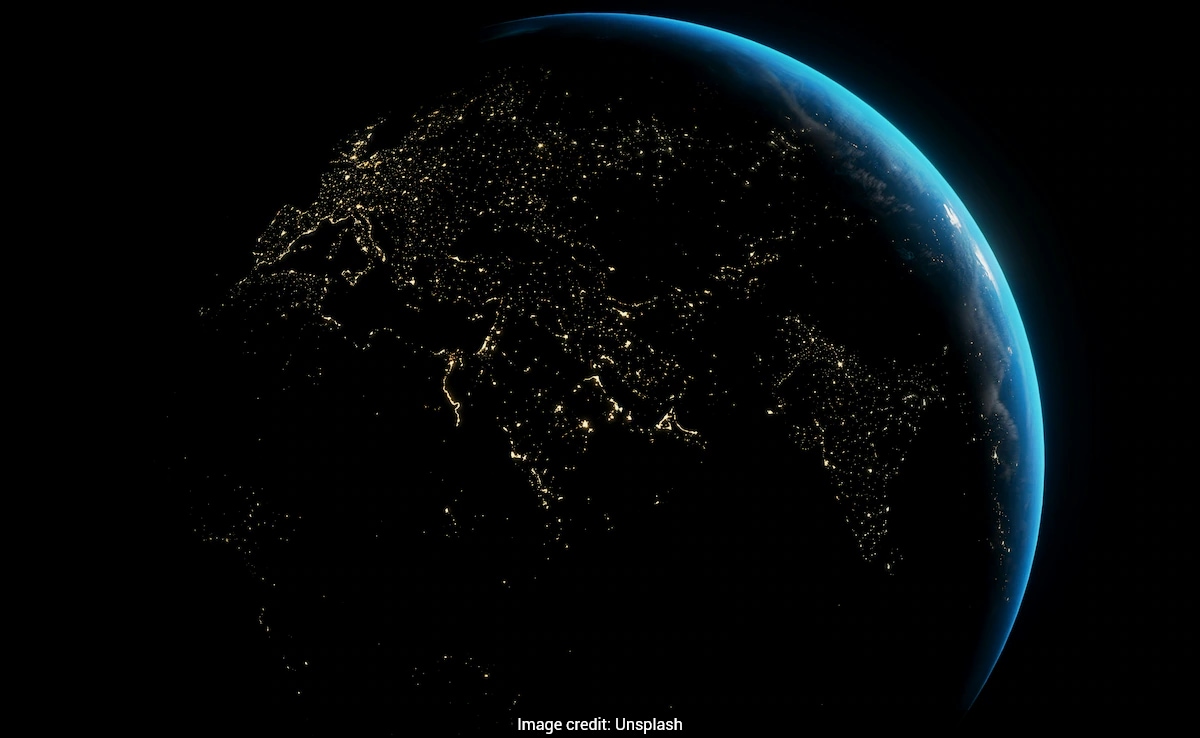
Image: Ndtv
A study led by Corey Bradshaw from Flinders University, Australia, reveals that Earth's population of 8.3 billion has surpassed its ecological capacity by 23%, indicating that humanity uses resources 80% faster than ecosystems can regenerate. The findings call for urgent sustainable practices and global cooperation to address the ecological crisis.
- 01Earth's population has exceeded its ecological capacity by 23%.
- 02Humanity is using resources 80% faster than ecosystems can regenerate.
- 03The global population is projected to peak between 11.7 and 12.4 billion by the late 2060s or 2070s.
- 04A sustainable global population is estimated to be around 2.5 billion.
- 05Immediate action is needed to implement sustainable practices and stabilize population growth.
Advertisement
In-Article Ad
A recent study published in *Environmental Research Letters* indicates that the Earth's population, currently at 8.3 billion, has exceeded the planet's ecological capacity by approximately 23%. Led by Corey Bradshaw (Flinders University, Australia), the research shows that humanity is utilizing natural resources 80% faster than ecosystems can regenerate, suggesting that we would need 1.8 Earths to sustain current demands. The study highlights a significant demographic shift that began in the 1950s, disrupting the historical equilibrium between population and planetary resources. Bradshaw warns that exceeding the Earth's carrying capacity leads to ecological debt, which exacerbates environmental degradation, climate change, and biodiversity loss. The research proposes that a sustainable global population should be closer to 2.5 billion to ensure comfortable living standards within ecological limits. It emphasizes the urgent need for global cooperation and sustainable practices, including education, family planning, and transforming energy systems to renewables. The study concludes that the choices made in the coming decades will significantly impact future generations and the resilience of the natural world.
Advertisement
In-Article Ad
The findings suggest that without significant changes, the ecological crisis will worsen, affecting food security, climate stability, and overall quality of life.
Advertisement
In-Article Ad
Reader Poll
What should be the priority in addressing the ecological crisis?
Connecting to poll...
Read the original article
Visit the source for the complete story.