


Delhi High Court's Controversial Ruling on Free Speech and Personality Rights
In granting wide relief to Patanjali’s Balakrishna, the court restricts free expression in India
 The Indian Express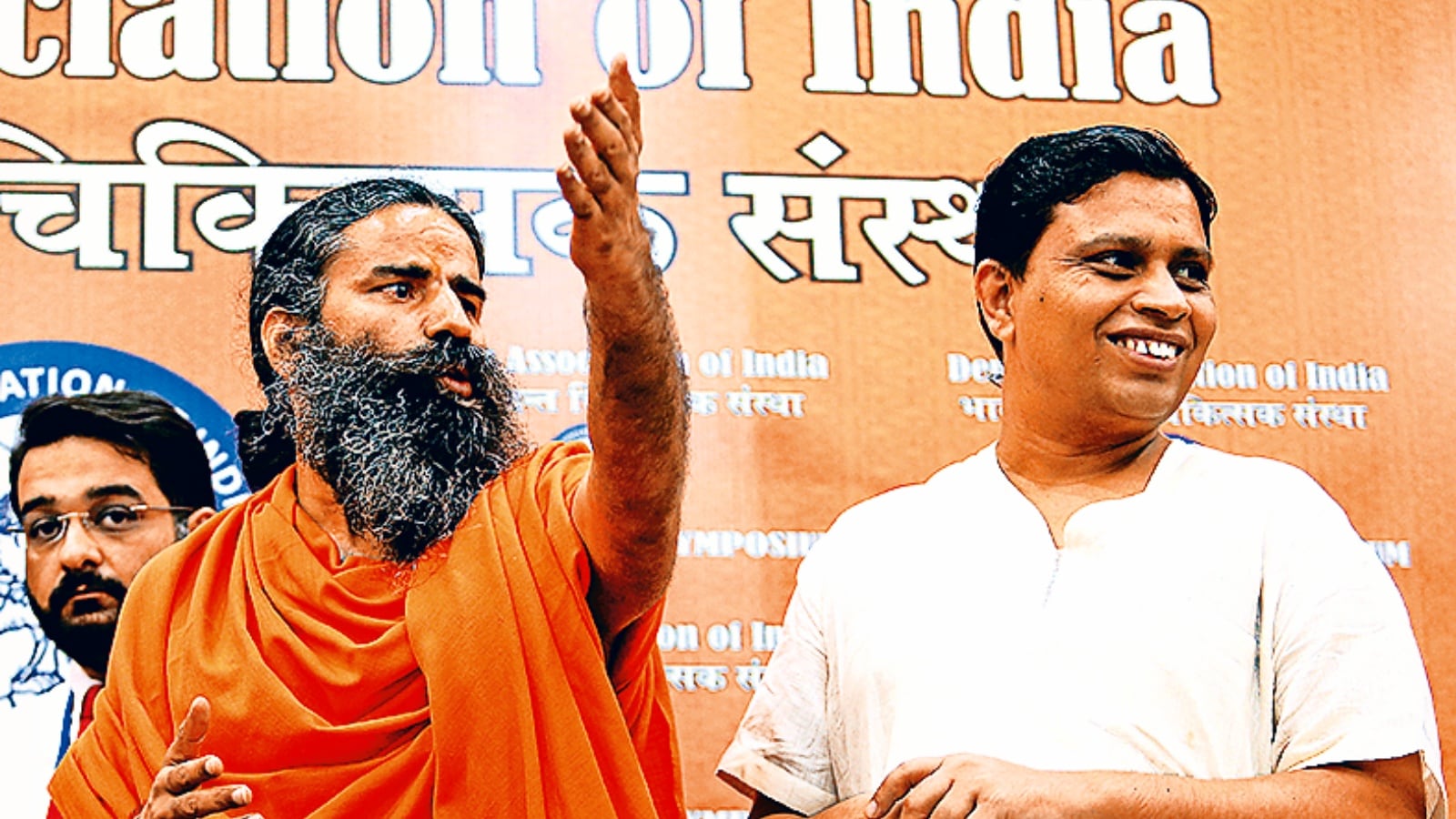
Image: The Indian Express
On March 24, 2023, the Delhi High Court granted Acharya Balkrishna, managing director of Patanjali Ayurved Ltd., extensive ex parte relief against critical online content, raising concerns over free expression in India. The ruling restricts memes, satire, and anonymous critiques, setting a precedent for potential censorship in digital spaces.
- 01The Delhi High Court's ruling grants Acharya Balkrishna extensive control over online content about him.
- 02The order limits free expression, affecting memes, satire, and anonymous critiques across various platforms.
- 03The court's decision contrasts with prior statements emphasizing the need for public figures to accept scrutiny.
- 04Existing laws on personality rights are vague, and the ruling expands their interpretation beyond traditional limits.
- 05Future hearings will allow for a more in-depth legal challenge against the order.
Advertisement
In-Article Ad
On March 24, 2023, the Delhi High Court issued a controversial ruling in favor of Acharya Balkrishna, managing director of Patanjali Ayurved Ltd., granting him extensive ex parte relief against critical online content. The court ordered the removal of memes, cartoons, and satirical material about Balkrishna, and mandated that platforms like Meta disclose the identities of anonymous critics. This ruling has raised significant concerns regarding free expression in India, as it restricts content across social media, websites, and even AI platforms. The court's decision starkly contrasts with its previous remarks encouraging public figures to accept scrutiny. The existing intellectual property laws in India, particularly regarding personality rights, are not well-defined, leading to an expansion of these rights in this case. Critics argue that the ruling prioritizes personality rights over the fundamental right to free speech, potentially setting a troubling precedent for censorship in digital environments. The case will be revisited by the Delhi High Court on September 24, allowing defendants to challenge the order and engage in a more substantive legal debate.
Advertisement
In-Article Ad
The ruling could deter individuals from expressing dissent or criticism of public figures, impacting public discourse and satire in India.
Advertisement
In-Article Ad
Reader Poll
Do you believe the court's ruling limits free expression in India?
Connecting to poll...
Read the original article
Visit the source for the complete story.