

Women’s Reservation Bill: Acknowledging the Momentum of Women’s Empowerment
Women have not been waiting, they have been powering through. Women’s Reservation bill recognises a momentum that can no longer be ignored
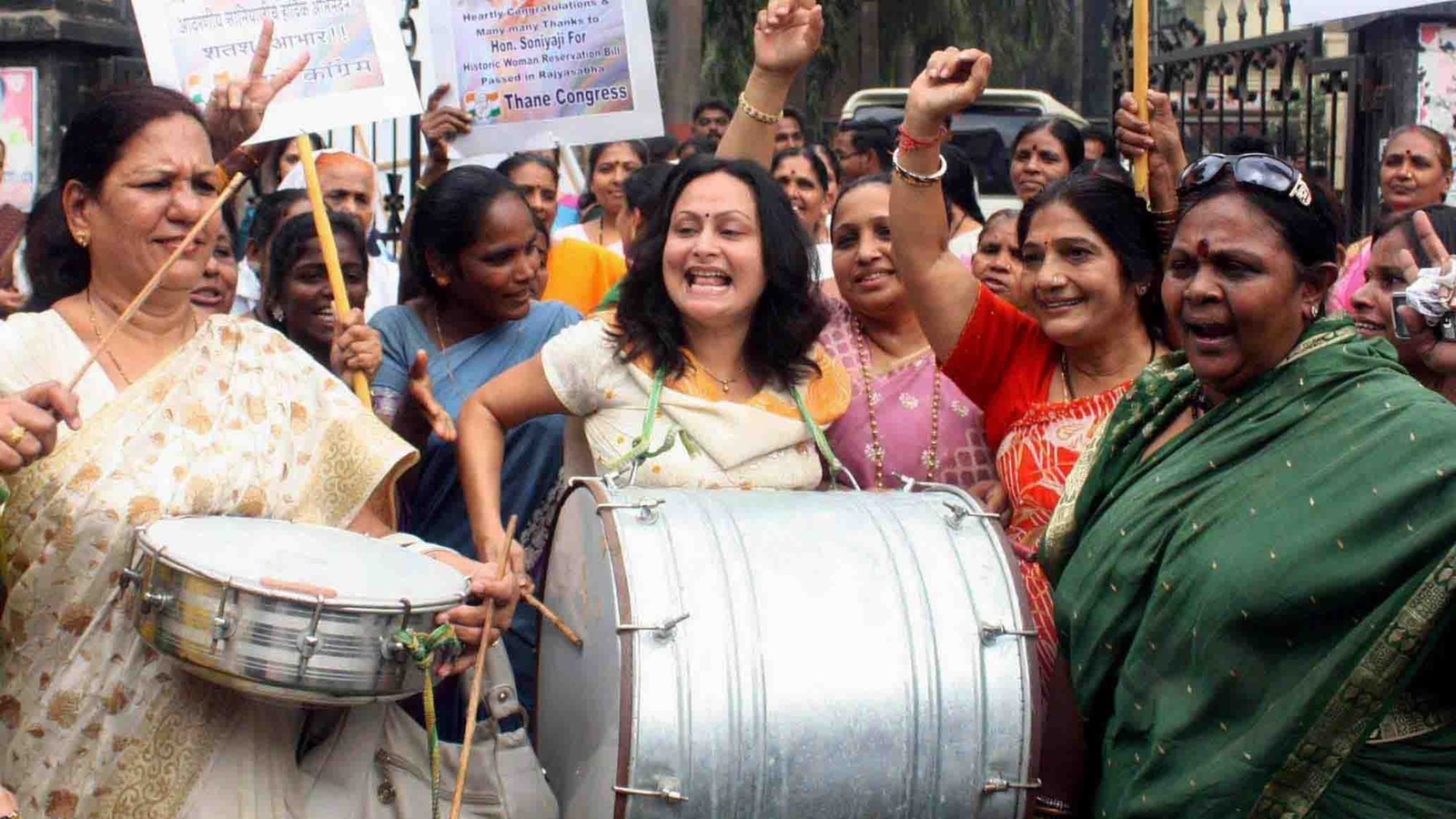
Image: indianexpress
Context
The Women’s Reservation Bill aims to reserve a certain percentage of seats for women in Parliament and state assemblies in India. This legislative move is part of a broader effort to enhance women's representation in governance, which has historically faced numerous obstacles.
What The Author Says
The author argues that the Women’s Reservation Bill is a crucial acknowledgment of women's ongoing struggle for representation and empowerment in politics.
Key Arguments
📗 Facts
- The Women’s Reservation Bill was passed in the Lok Sabha in 2023.
- Previous attempts to reserve seats for women in Parliament were made in 1996, 1998, 1999, and 2008, all of which lapsed.
- The bill proposes to increase Lok Sabha seats from 543 to 816, with 273 reserved for women.
📕 Opinions
- The author believes that the bill acknowledges a momentum that cannot be ignored.
- The author argues that genuine transformation requires more than just new faces in Parliament.
Counterpoints
The bill may be politically motivated ahead of elections.
Critics argue that the timing of the bill's passage suggests it is more about electoral strategy than genuine commitment to women's empowerment.
Implementation challenges could undermine the bill's effectiveness.
Concerns exist regarding how the reserved seats will be allocated and whether they will lead to meaningful representation or merely tokenism.
Existing political structures may resist change.
There is skepticism about whether the current political landscape will allow for true empowerment of women, given entrenched power dynamics.
Bias Assessment
The author emphasizes women's agency while acknowledging the complexities of political implementation.
Why This Matters
The bill's timing coincides with the upcoming 2024 general elections in India, making it a pivotal moment for women's representation in politics. Increased female participation in elections and higher education underscores the urgency of this legislative change.
🤔 Think About
- •What are the potential long-term impacts of the Women’s Reservation Bill?
- •How can the political landscape be reimagined to support women’s empowerment?
- •What measures can be taken to ensure the bill leads to genuine representation?
- •How do societal perceptions of women in power influence political dynamics?
Opens original article on indianexpress
Advertisement
In-Article Ad
Reader Poll
Do you believe the Women’s Reservation Bill will lead to real change?
Connecting to poll...