



Australia Filters Intelligence from Middle East Surveillance Operations
Australian spy plane operators in Middle East not sharing intel with US for offensive operations, defence boss says
 The Guardian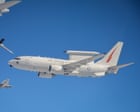
Image: The Guardian
Australia's Defence Force is selectively sharing intelligence from its E-7 Wedgetail surveillance aircraft in the Middle East, ensuring information is not used for offensive operations by the United States. Defence Chief Admiral David Johnston emphasized the focus on defensive roles as the deployment is extended beyond its initial mission.
- 01Australia's E-7 Wedgetail aircraft is filtering intelligence to avoid sharing offensive data with the US.
- 02Defence Chief Admiral David Johnston confirmed the aircraft's role is strictly defensive.
- 03Prime Minister Anthony Albanese announced the extension of the aircraft's deployment to the Middle East.
- 04Criticism has arisen regarding Australia's support for US-led operations in the region.
- 05Johnston highlighted the importance of prioritizing Australia's strategic interests amid regional tensions.
Advertisement
In-Article Ad
Australia's Defence Force is taking measures to ensure that intelligence gathered by its E-7 Wedgetail surveillance aircraft in the Middle East is not shared with the United States for offensive operations. Defence Chief Admiral David Johnston stated that the crew is actively filtering information to focus solely on defensive activities. Prime Minister Anthony Albanese confirmed that the aircraft's deployment has been extended beyond its initial four-week mission to the United Arab Emirates, following a decision by the cabinet's national security committee. While intelligence regarding airborne threats is shared with the US, Johnston emphasized that the crew determines what information is communicated. The decision to maintain a defensive posture has drawn criticism from opposition parties regarding Australia's involvement in the US-led war efforts. Johnston also addressed the potential for Australian naval support in the Strait of Hormuz, indicating readiness but cautioning that such actions must align with national strategic priorities. The ongoing geopolitical situation, including US military presence in the region, complicates Australia's strategic decisions.
Advertisement
In-Article Ad
The decision to filter intelligence affects Australia's military strategy and its relationship with the US, potentially influencing future military deployments and operations.
Advertisement
In-Article Ad
Reader Poll
Should Australia increase its military presence in the Middle East?
Connecting to poll...
Read the original article
Visit the source for the complete story.