



US Naval Blockade on Iran: Economic Implications and Future Scenarios
Explained: How US Blockade Of Iran Could Hurt Tehran, And Whether It Has A Way Out
 ndtv
ndtv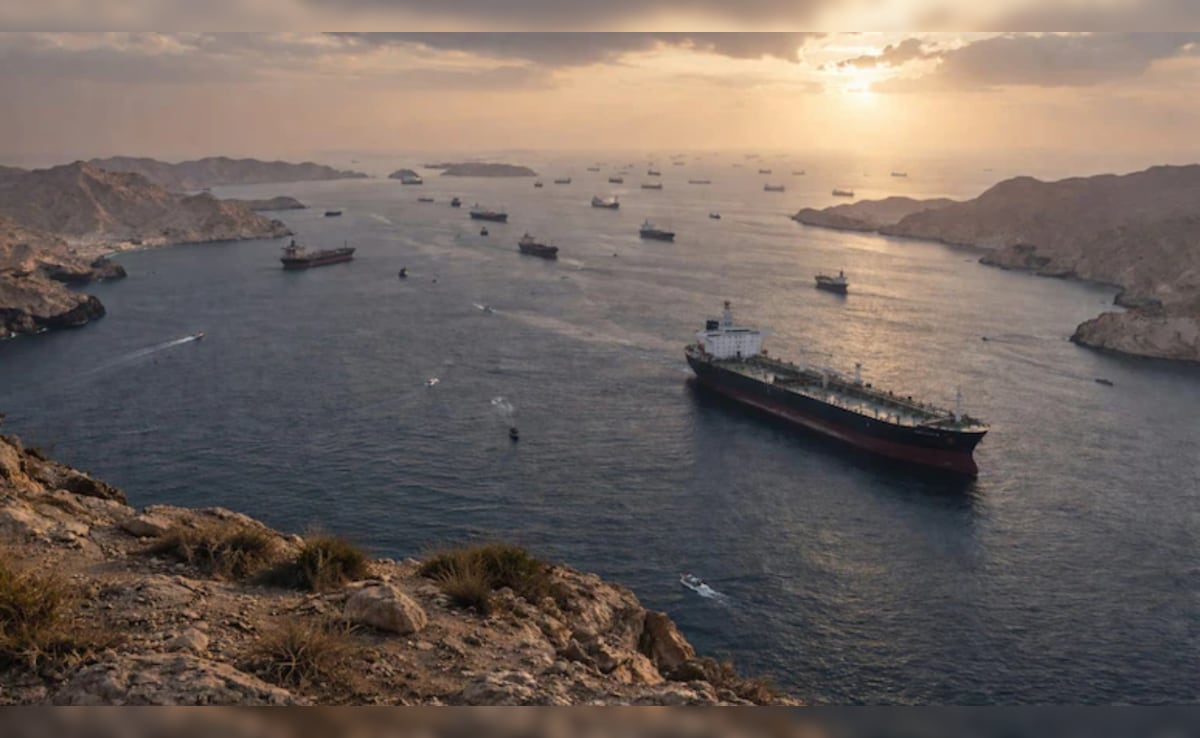
Image: ndtv
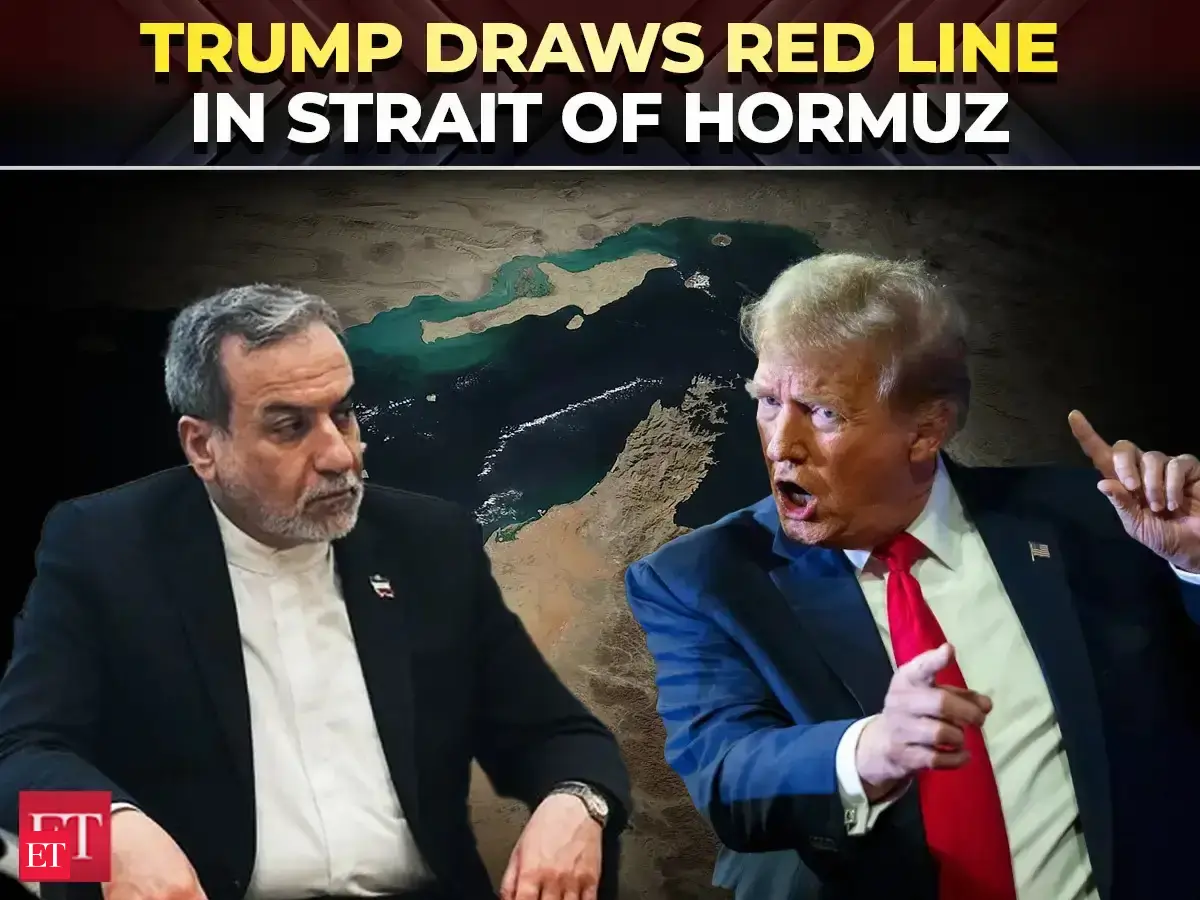
The United States has initiated a naval blockade on Iranian ports to pressure Tehran economically amid ongoing conflict. This blockade could severely impact Iran's oil exports, which are vital for its economy, while also affecting its broader trade. The response from China, a major buyer of Iranian oil, will be crucial in shaping future developments.
- 01The US blockade aims to cripple Iran's economy by targeting its oil exports.
- 02Iran's economy heavily relies on oil, with around 80% of its exports passing through the Strait of Hormuz.
- 03The blockade could lead to significant revenue losses for Iran, which recently earned nearly $5 billion from oil exports.
- 04Iran is attempting to diversify trade routes, but rail networks cannot fully replace maritime oil transport.
- 05China's response to the blockade will be critical in determining the next steps in the conflict.
Advertisement
In-Article Ad
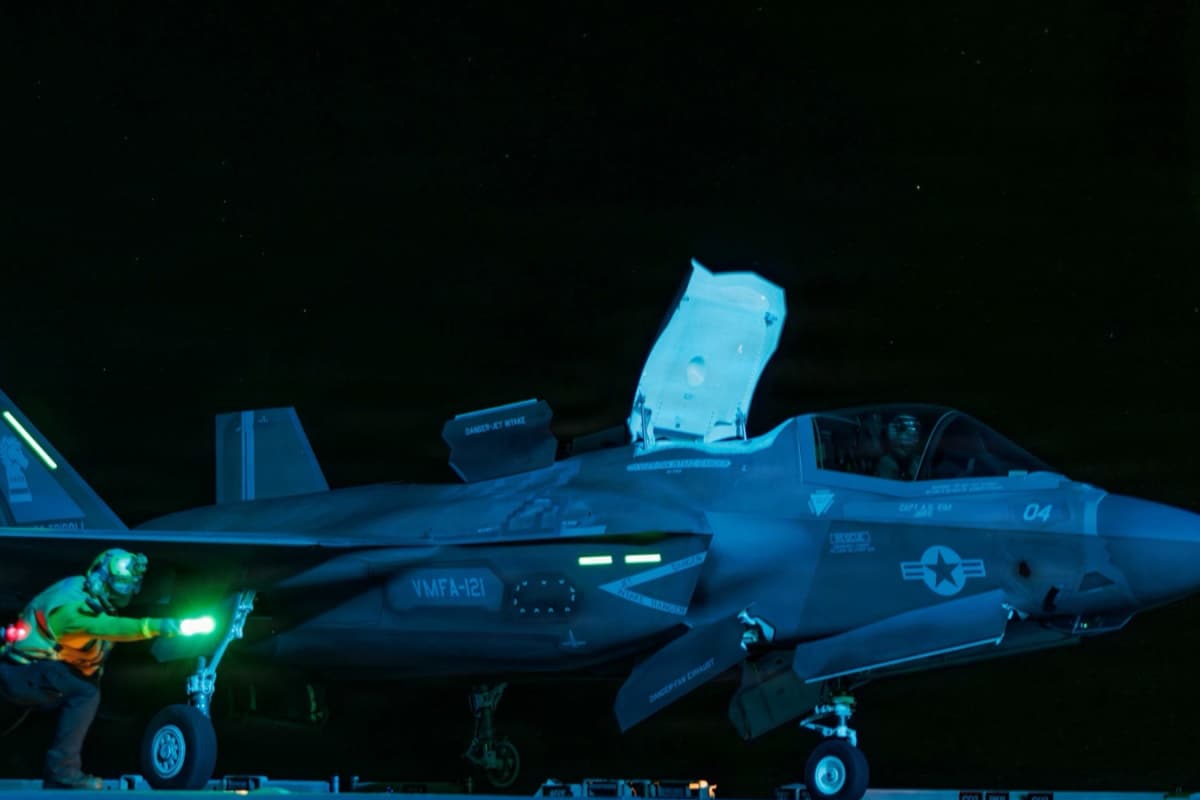
The United States has escalated tensions with Iran by enforcing a naval blockade on maritime traffic linked to Iranian ports, a move aimed at economically pressuring Tehran to comply with US demands. Over 10,000 US military personnel, supported by warships and aircraft, are involved in this operation. The blockade is particularly impactful as approximately 80% of Iran's oil exports, which are crucial for its economy, transit through the Strait of Hormuz. Despite ongoing conflicts, Iran's oil shipments have remained robust, with exports averaging 1.84 million barrels per day in March. However, analysts warn that disruptions caused by the blockade could lead to significant revenue losses for Iran, which has been earning nearly $5 billion monthly from oil exports. Additionally, the blockade will affect Iran's broader trade, including petrochemicals and agricultural goods. Iran is attempting to mitigate these impacts by enhancing rail links with China and Central Asian countries, but analysts suggest that rail transport cannot effectively replace maritime routes for large-scale oil exports. The situation remains fluid, with the potential for either renewed negotiations or further escalation, largely depending on the responses from Iran, China, and regional powers.
Advertisement
In-Article Ad
The blockade could significantly reduce Iran's oil revenue, impacting government funding and economic stability, which may lead to increased domestic unrest.
Advertisement
In-Article Ad
Reader Poll
What should be the US's next step regarding the blockade on Iran?
Connecting to poll...
More about U.S. Central Command
Read the original article
Visit the source for the complete story.