






Indian Rupee Strengthens Amid Global Tensions and RBI Policy Expectations
Rupee ends higher; traders eye Trump's Iran deadline, RBI policy decision
 The Economic Times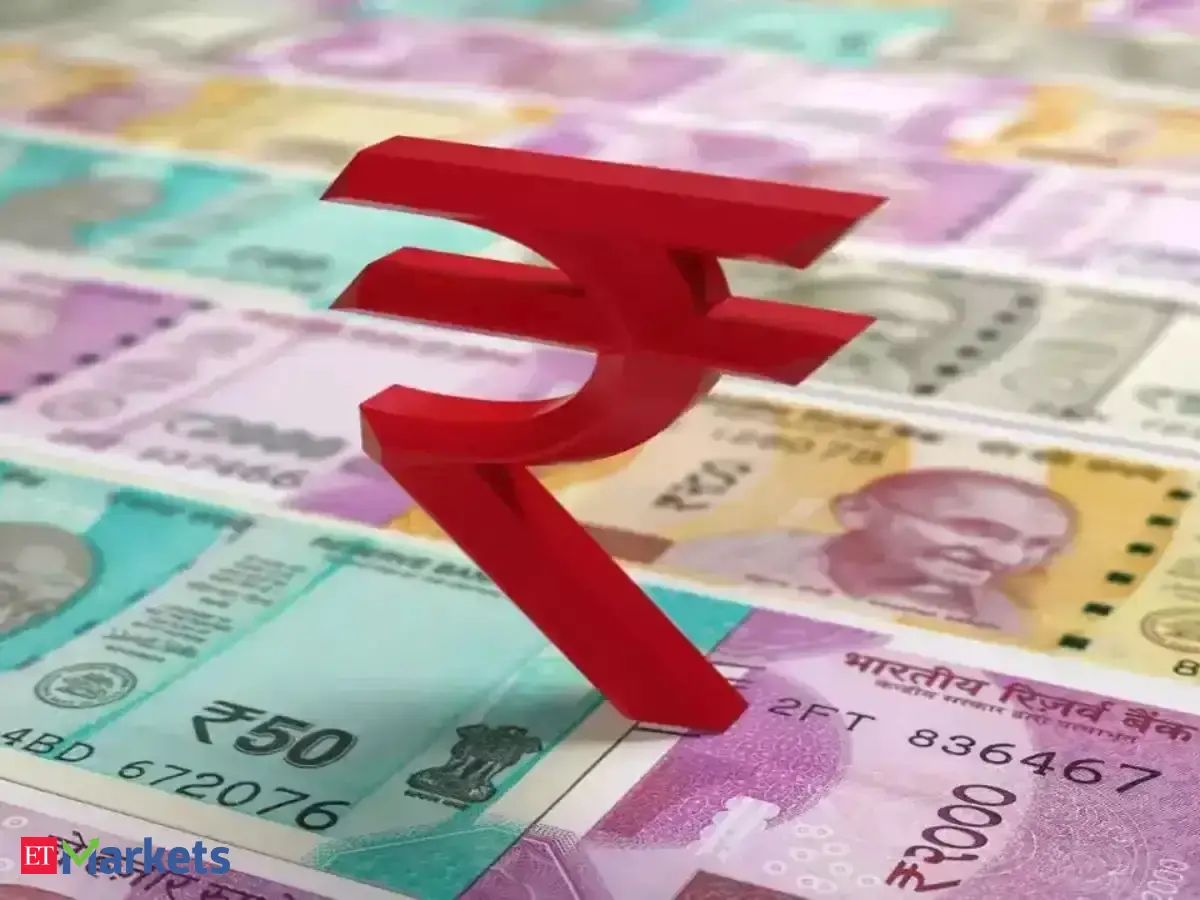
Image: The Economic Times
The Indian rupee closed at 93.0075 against the U.S. dollar, marking a 0.1% increase, as traders anticipate a U.S. deadline regarding Iran and the Reserve Bank of India's upcoming policy decision. The rupee has stabilized after recent lows, aided by RBI measures to manage foreign exchange activity.
- 01The Indian rupee strengthened by 0.1%, closing at 93.0075 against the U.S. dollar.
- 02The rise in the rupee is attributed to the unwinding of arbitrage positions and RBI interventions.
- 03Concerns over escalating Middle East tensions are affecting global oil prices and investor sentiment.
- 04Foreign investors have sold nearly $16 billion in Indian equities in recent months.
- 05The RBI is expected to maintain current interest rates while supporting the rupee.
Advertisement
In-Article Ad
On Tuesday, the Indian rupee appreciated by 0.1%, closing at 93.0075 against the U.S. dollar, its strongest position since mid-March. This recovery follows a period of record lows, largely due to the Reserve Bank of India's (RBI) measures to curb speculative trading in the foreign exchange market. The unwinding of arbitrage positions has contributed to a widening gap between onshore and non-deliverable forwards, with spreads reaching levels not seen since the onset of the COVID-19 pandemic. The rupee's recent performance comes amid heightened tensions in the Middle East, particularly between Iran and Israel, as U.S. President Donald Trump set a deadline for a deal with Iran. Analysts suggest that unless a ceasefire or an extension of the deadline occurs, the dollar may remain strong. Additionally, concerns regarding the geopolitical situation have kept oil prices around $110 per barrel, prompting foreign investors to withdraw approximately $16 billion from Indian stock markets since March. Traders are also looking forward to the RBI's monetary policy decision, where it is anticipated that the central bank will keep interest rates unchanged while focusing on supporting the rupee and managing bond yields.
Advertisement
In-Article Ad
The rupee's strengthening could stabilize import costs and influence inflation rates, potentially affecting consumer prices.
Advertisement
In-Article Ad
Reader Poll
Do you think the RBI should change interest rates to support the rupee?
Connecting to poll...
More about Reserve Bank of India
Read the original article
Visit the source for the complete story.