



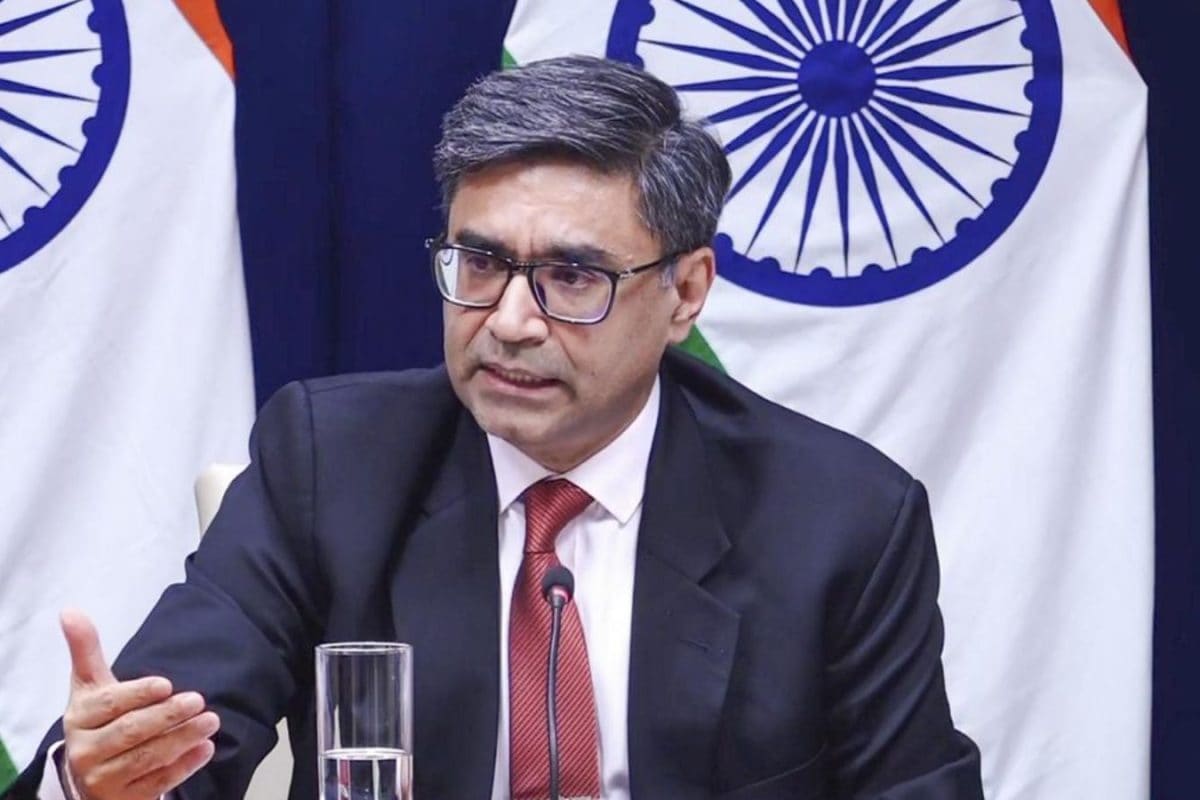
Supreme Court of India Examines Superstitious Practices in Religion During Sabarimala Case
Sabarimala Case: SC Says It Can Review ‘Superstition' In Religion, Cites Sati
 News 18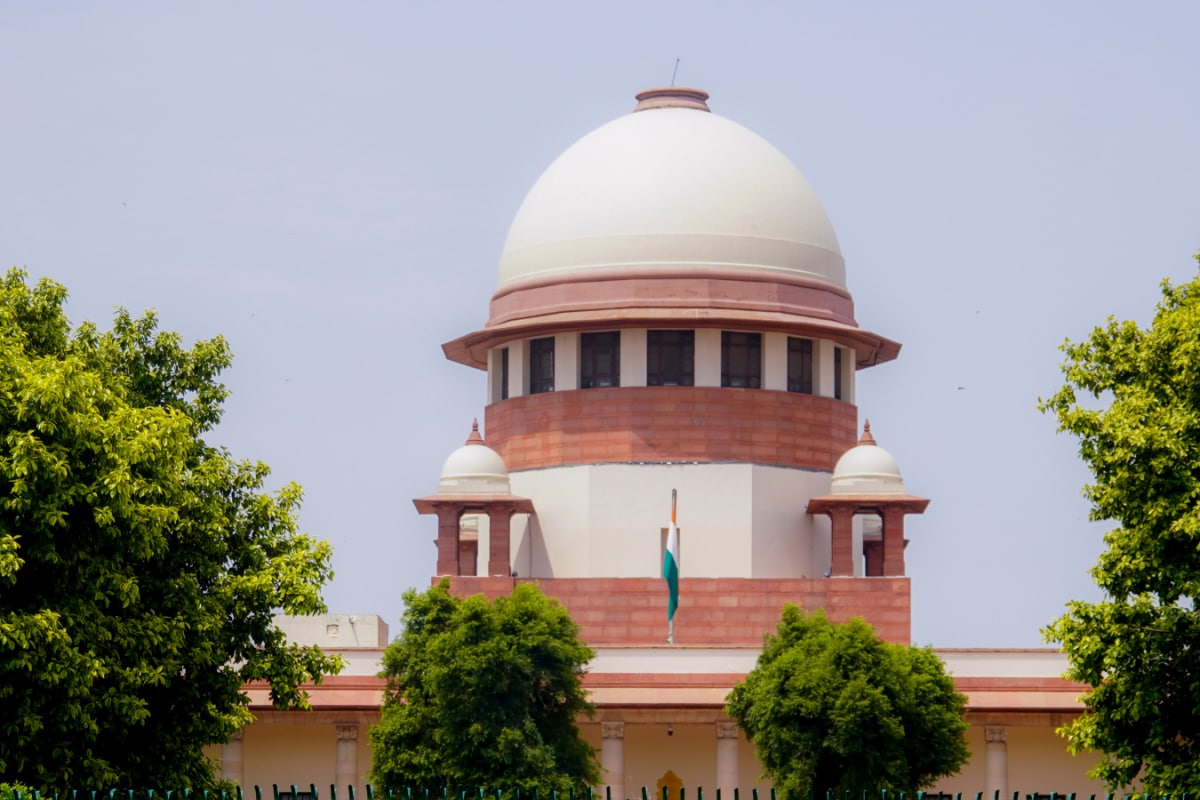
Image: News 18
The Supreme Court of India asserted its authority to review religious practices for superstition in the ongoing Sabarimala temple case. A nine-judge bench emphasized that courts must evaluate practices against constitutional principles, despite arguments that such matters should be left to the legislature.
- 01The Supreme Court can assess whether religious practices are superstitious.
- 02The court rejected the notion that the legislature has the final say on such matters.
- 03Justice Nagarathna emphasized the need to interpret practices based on the philosophy of the religion in question.
- 04The Solicitor General argued that the court should not determine what constitutes superstition.
- 05The hearing is part of a broader discussion on the intersection of law, religion, and public morality.
Advertisement
In-Article Ad
The Supreme Court of India resumed hearings in the Sabarimala temple case, asserting its jurisdiction to review whether certain religious practices are superstitious. A nine-judge Constitution bench, led by Justice Surya Kant, emphasized that it would not accept the argument that the legislature holds the 'last word' on such matters. The court highlighted its role in testing practices against constitutional principles, even when rooted in faith. Solicitor General Tushar Mehta contended that it is the legislature's responsibility to identify and reform superstitious practices under Article 25(2)(b) of the Constitution. The bench questioned this perspective, suggesting that the court could intervene on grounds of public order and morality, even if the legislature remains silent. Justice Nagarathna stated that the court should interpret essential religious practices through the philosophy of the respective religion, balancing it against public health and morality. The ongoing discussions reflect the complex relationship between law and religion in India.
Advertisement
In-Article Ad
The court's ruling could influence how religious practices are interpreted and regulated in India, potentially leading to reforms in practices deemed superstitious.
Advertisement
In-Article Ad
Reader Poll
Should the Supreme Court have the authority to review religious practices for superstition?
Connecting to poll...
Read the original article
Visit the source for the complete story.