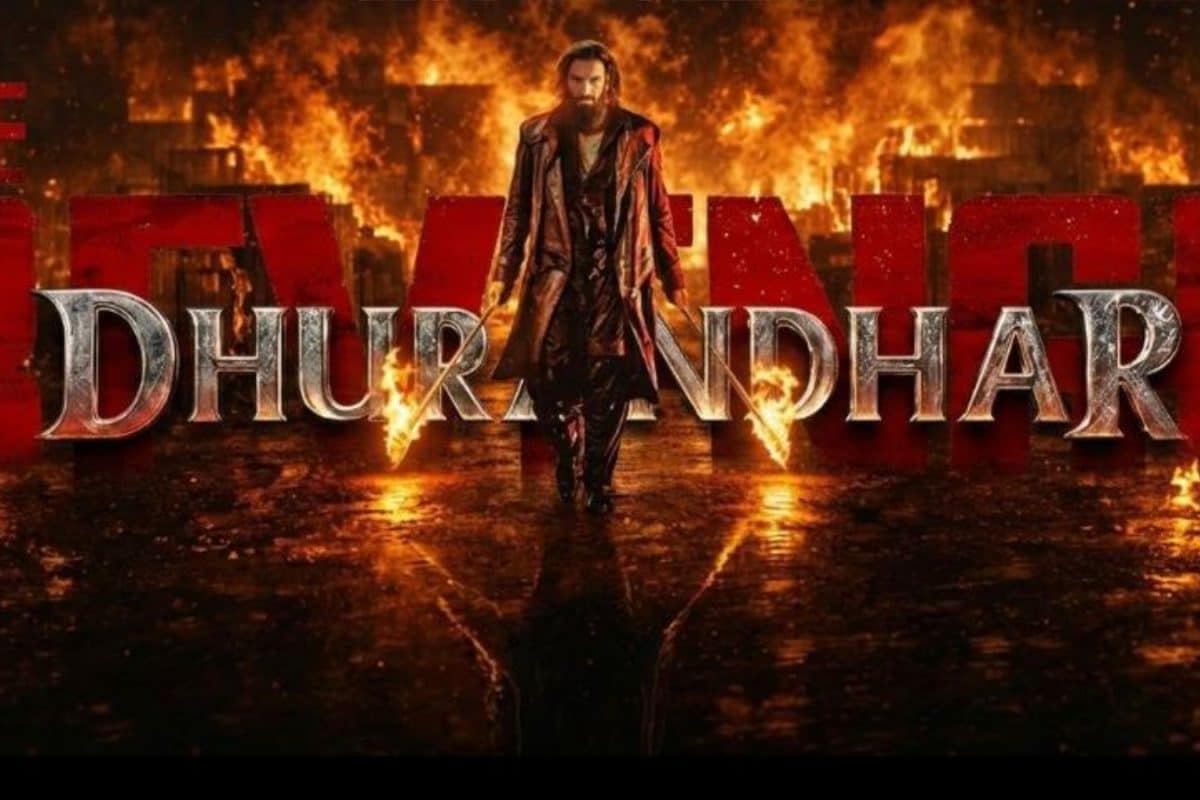
Opinion | Dhurandhar Duology: How Bollywood Cracked The Rs 1,000-Crore Code Dhurandhar 2: The Revenge has reportedly grossed an estimated Rs 1,523 crore worldwide and, hence, surpassed the box-office performance of its prequel. How could two films with one long story split into parts, the same star cast, and the same team of technicians each cross the Rs 1,000-crore mark with consummate ease within months of one another? Hindi cinema had never seen anything like this — until Dhurandhar began its run in theatres, followed by Dhurandhar: The Revenge. Audiences in India and overseas gravitated to the theatres in large numbers. On BookMyShow alone, over 100,000 tickets of the sequel were sold in an hour at peak in India. The outcome? It silenced the doubters – completely. The duology’s commercial outcome, both domestically and overseas, is being closely watched by Bollywood insiders and filmgoers, who are tracking its box-office performance. The first part grossed an estimated Rs 1,350 crore worldwide, which made it the second-highest-grossing Hindi film ever after Dangal. Sixteen days old in the theatres, the second part has reportedly grossed an estimated Rs 1,523 crore worldwide and, hence, surpassed the box-office performance of its prequel. What is more, it is all set to achieve an even bigger box-office total. In the Hindi film industry, such a performance by a two-film series is unheard of. Recommended Stories - "Just focusing on our own process": RCB's Jitesh Sharma ahead of CSK clash - Dacoits stealing govt equipment on Pak's highway joining Sindh, Punjab - 746 challans in week-long crackdown to decongest IIT intersection in south Delhi - Chandigarh Grenade Attack Case solved, 5 arrested; Pakistan's ISI link suspected Many readers will remember 2023 as a brilliant year for Hindi cinema. Shah Rukh Khan returned to the big screen as an action hero with Pathaan and Jawan, which grossed an estimated Rs 1,050 crore and Rs 1,148 crore, respectively, worldwide. With two Rs 1,000-crore blockbusters in succession, the superstar set a new benchmark for commercial success. Their phenomenal success also inaugurated a new club: the Rs 1,000-crore club. The films that followed could not match the two SRK films in terms of box-office numbers until Dhurandhar arrived in theatres. Having benefited from the momentum of the first film, the second part has already surpassed the prequel’s lifetime business – without concluding its theatrical run. The spy action drama’s success has catapulted its hero, Ranveer Singh, into a huge modern-day superstar. The creator Aditya Dhar deserves equal credit for crafting a gripping drama that holds the audience across its long runtime in both parts. The film has other significant pluses that combine brilliantly to produce a viewer-friendly package: great cinematography, apt music, well-shot action sequences, remarkable world-building and a nationalistic theme that has resonated with the audiences. Solid supporting turns also elevate the film, notably those by Akshaye Khanna in the first part (badly missed in the sequel) and Rakesh Bedi (particularly brilliant in the sequel). The duology’s phenomenal success proves that the audience can remain invested in a story spread across two parts, whose combined runtime is 443 minutes (the first part’s runtime is 214 minutes and the sequel’s is 229 minutes). In today’s age of short attention spans and distracted, meme-driven viewing habits, pulling this off and delivering such extraordinary results at the box office is a filmmaker’s dream. Crucially, however, the duology’s entry into the short list of Rs 1,000-crore Hindi films is a reminder of the need to convert hype into footfall and justify the budgets of big-budget event films. In other words, superstar-led vehicles like drama War 2 (2025), which underperformed, or Sikander (2025), an outright debacle, do not merely dent the deep pockets of their producers. They also lower the confidence of other potential producers and lessen the possibility of more ambitious, large-scale theatrical experiences for the viewer. A big-budget film works in the real sense when word of mouth carries it forward after pre-release hype fades. The duology has underlined this emphatically: in large-scale projects, content is what invites audiences to theatres. Also, Rs 1000-crore films are only possible with at least some repeat viewing. That, in turn, happens when a section of the audience finds the film genuinely impressive – no easy feat in an age of high-ticket prices. The Dhurandhar films remind the industry of the need to emphasise a content-first approach. Filmmakers in Bollywood would do well to keep this in mind while creating star-led projects aimed at large-scale theatrical experiences and strong returns on investment (ROI). The films also stand out for their ensemble casting, favouring the right fit for each character over packing the supporting cast with familiar faces. Factors such as well-defined character arcs and detailed world-building suggest that the makers respect the audience’s intelligence and go the extra mile to ensure that viewers get what they expect from two 200-plus-minute films. Everyone, including maker Aditya Dhar and leading star Ranveer Singh, would know that replicating the phenomenon that the duology has become won’t be easy. But a greater conscious effort in the right direction must be made. That is the way ahead for Bollywood as the journey continues and the margin for error keeps shrinking. (The writer, a journalist for three decades, writes on literature, cinema and pop culture. Views expressed in the above piece are personal and solely those of the author. They do not necessarily reflect News18’s views.)



 News 18