

India's Currency Clampdown Risks Alienating Global Investors
Biggest currency clampdown in a decade risks backfiring for India
 Business Standard
Image: Business Standard
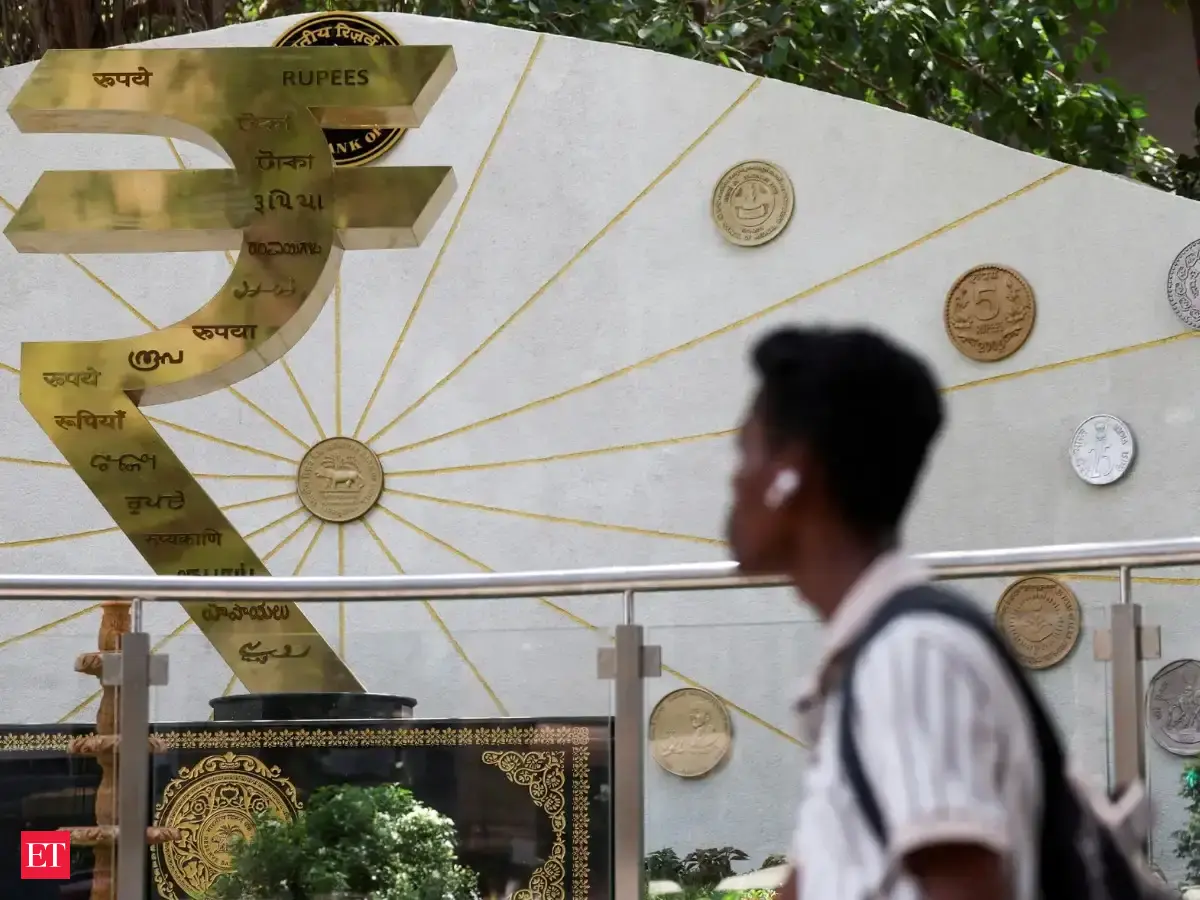
India's recent measures to stabilize the rupee amid geopolitical tensions may deter foreign investors. The Reserve Bank of India's (RBI) abrupt restrictions on currency trading have raised concerns about policy predictability, potentially reversing a decade of market liberalization efforts. The rupee has gained over 2%, but banks face significant losses.
- 01The Reserve Bank of India's recent currency measures may alienate foreign investors.
- 02The rupee gained over 2% to 92.66 per dollar following the RBI's restrictions.
- 03Banks could face losses up to ₹5,000 crore (approximately $539 million) due to forced unwinding.
- 04The measures risk reversing a decade of market liberalization efforts aimed at attracting global investment.
- 05Concerns about regulatory risks may lead foreign investors to reassess their presence in India.
Advertisement
In-Article Ad
India's Reserve Bank has implemented stringent measures to support the rupee, which has recently hit new lows due to geopolitical tensions, particularly the Iran war. The RBI's actions, including capping banks' daily currency positions and restricting offshore derivatives, have resulted in the rupee gaining over 2% to 92.66 per dollar. However, these measures have also raised alarms among global investors about the predictability and transparency of India's currency policies. Analysts warn that the RBI's intervention could roll back a decade of liberalization that made India more attractive to foreign investors, especially following the 2013 taper tantrum. Banks are now facing potential losses estimated at up to ₹5,000 crore (approximately $539 million), and foreign investors have already reduced their bond holdings by nearly $1 billion. The RBI's recent actions reflect a deteriorating external economic environment, including rising oil prices and increased tariffs from the US. While RBI Governor Sanjay Malhotra insists that these measures are temporary and do not signify a shift in policy, the long-term impact on foreign investment remains uncertain.
Advertisement
In-Article Ad
The RBI's measures could lead to reduced foreign investment in India, impacting economic growth and stability.
Advertisement
In-Article Ad
Reader Poll
Do you think the RBI's measures will stabilize the rupee in the long term?
Connecting to poll...
More about Reserve Bank of India
RBI Proposes Comprehensive Safety Measures to Combat Digital Payment Frauds
News 18 • Apr 10, 2026

Push for IPO: Tata Trusts Vice Chairman Advocates Listing of Tata Sons
The Economic Times • Apr 10, 2026
)
RBI Proposes One-Hour Delay for Digital Payments Over ₹10,000 to Combat Fraud
Zee News • Apr 10, 2026
Read the original article
Visit the source for the complete story.