



US Revokes Immigration Status of Family Members of Iranian Figure Masoumeh Ebtekar
Who Is Masoumeh Ebtekar? US Revokes Lawful Permanent Resident Status Of Her Family Members
 Ndtv
Ndtv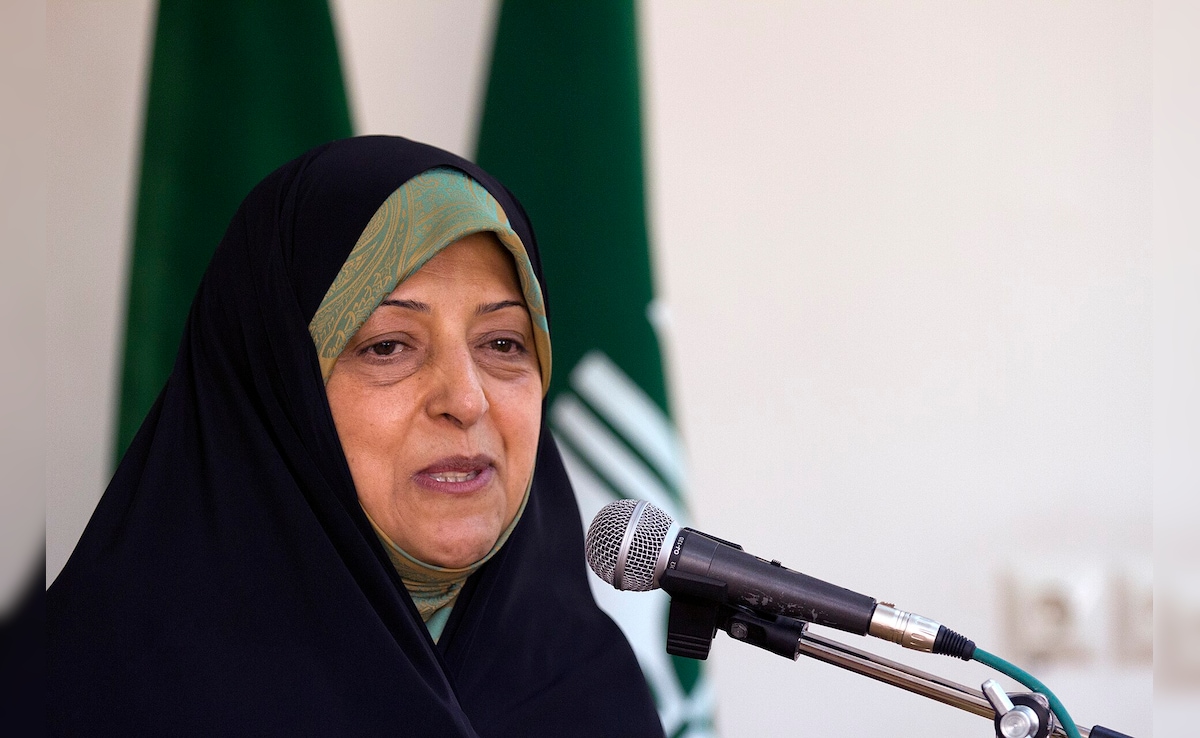
Image: Ndtv
The US Secretary of State Marco Rubio has revoked the lawful permanent resident status of Eissa Hashemi, son of Masoumeh Ebtekar, a key figure in the 1979 US Embassy hostage crisis. This action has sparked renewed scrutiny on Ebtekar, known for her role during the crisis and her subsequent political career in Iran.
- 01Marco Rubio terminated the immigration status of Masoumeh Ebtekar's son and daughter-in-law, placing them in custody.
- 02Ebtekar, known as 'Screaming Mary', was the spokesperson for the 1979 US Embassy hostage-takers.
- 03She has held significant political positions in Iran, including Vice President for Women and Family Affairs.
- 04The revocation is part of a broader crackdown on individuals linked to anti-American sentiments.
- 05Rubio emphasized that the US will not be a home for families of individuals he deems as anti-American terrorists.
Advertisement
In-Article Ad
US Secretary of State Marco Rubio has revoked the lawful permanent resident status of Eissa Hashemi, son of Masoumeh Ebtekar, an Iranian political figure known for her role as the spokesperson during the 1979 US Embassy hostage crisis in Tehran. This decision places Hashemi and his wife, Maryam Tahmasebi, in immigration custody pending deportation. Rubio stated that their legal status was terminated as part of a broader effort to prevent individuals associated with anti-American activities from residing in the US. Ebtekar, who was born in Tehran and raised in the United States, became a prominent figure during the hostage crisis, defending the actions of the Iranian students who took 52 American diplomats hostage for 444 days. Despite her controversial past, she has held various significant political roles in Iran, including serving as the head of the Department of Environment and as Vice President for Women and Family Affairs. This revocation of status reflects ongoing tensions between the US and Iran, particularly regarding individuals perceived to support anti-American regimes.
Advertisement
In-Article Ad
This decision may affect the immigration status of other individuals with ties to controversial figures, potentially leading to increased scrutiny and deportations.
Advertisement
In-Article Ad
Reader Poll
Do you support the US government's actions against families of individuals linked to anti-American activities?
Connecting to poll...
More about US State Department
Read the original article
Visit the source for the complete story.